
24/7 Customer Support

Free returns

Same-day & Next-day Delivery

Quality Guaranteed

Unlock Your Welcome Offers: FREE Delivery | Up to 80% OFF | Free 30-day JoyPlus trial
Download the APP
Buying coffee pods and capsules should be straightforward: select a flavour, add a box to your basket and press a button at home. Yet the wrong capsule system, misleading pack comparison or unsuitable drink format can quickly turn convenience into wasted money. This guide helps UK coffee drinkers compare options by machine compatibility, taste, serving style, pack size and day-to-day value.
Nespresso Original, Nescafé Dolce Gusto and Tassimo machines use different pod formats. Nespresso compatible capsules are not suitable for Nescafé Dolce Gusto or Tassimo machines, even when the packaging looks similar. Also check whether a product is intended for the Nespresso Original Line, rather than another machine format.
Tassimo coffee pods, also known as T DISCs, use barcode technology to set elements such as water volume and temperature. Dolce Gusto pods generally use a different shape and brewing system. Always match the product description with the exact machine platform before ordering.
A ten-capsule box may look cheaper than a larger pack, but the price per serving can be higher. Some milk-based drinks also use two capsules per serving. For example, NESCAFÉ Dolce Gusto Latte Macchiato contains eight coffee capsules and eight milk capsules, creating eight drinks from sixteen capsules.
Check:
Intensity numbers are useful for comparing products within a range, but they do not describe every aspect of flavour. A dark roast may taste fuller and more roasted, while a lighter roast can retain brighter or softer notes. Flavoured coffee capsules may also taste sweeter because of natural flavouring, without containing added sugar.
For an after-dinner espresso, a high-intensity option may suit your preference. For a longer morning drink or a latte, a smoother medium or lighter roast can be easier to pair with milk.
Start with the machine name and capsule format. For espresso pods, confirm whether the product is for:
Also check the preparation style. A single coffee capsule may produce an espresso or lungo, while latte and cappuccino pods may contain milk powder, sugar or a separate milk capsule.
Look for the stated roast level, intensity and ingredients rather than relying only on promotional language. Examples include:
The product’s suggested cup size also matters. A capsule designed for a 25 ml ristretto will taste more concentrated than one prepared as a 110 ml lungo.
Aluminium coffee capsules can help protect coffee aroma, but “recyclable” does not always mean they belong in your household recycling bin. Recycling routes vary by local authority and brand programme. Follow the instructions on the packaging.
Some listed products specify aluminium capsules and brand-led recycling schemes. This can be useful if you are willing to collect used capsules and return them through the stated programme. Packaging, storage and freshness also matter: keep unopened coffee in a cool, dry place away from direct sunlight and humidity.
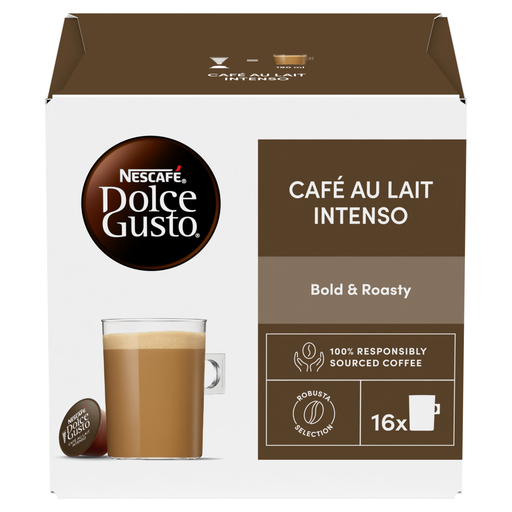
Why This Fits Their Persona: A practical choice for Dolce Gusto owners who want a creamy everyday drink without buying separate coffee and milk ingredients.
The pack states 16 pods and identifies the milk, coffee and sugar ingredients, making the serving format clearer before purchase.
Medium-dark roast profile; 16 pods in a 160g pack; milk-based café au lait format.
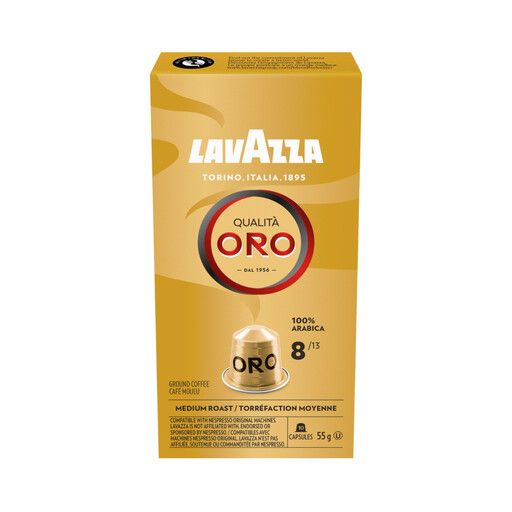
Why This Fits Their Persona: Suitable for Nespresso Original machine owners looking for 100% Arabica coffee with floral and fruity notes in aluminium capsules.
The listing states Original machine compatibility, capsule material, Arabica content and intensity 8/13 rather than relying on vague quality wording.
100% Arabica blend; intensity 8/13; aluminium capsules described as carbon neutral by the product information.
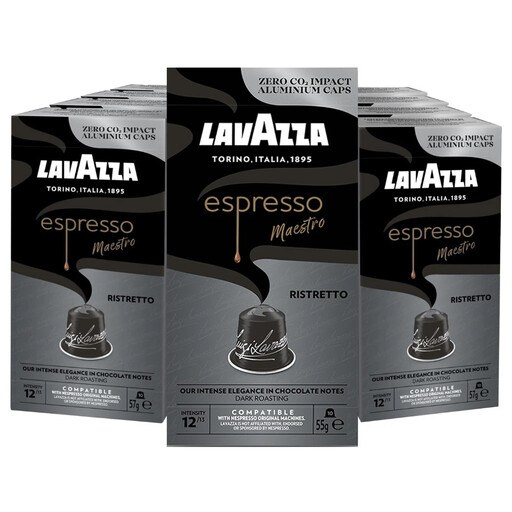
Why This Fits Their Persona: A case of 100 capsules suits frequent espresso drinkers who already know they prefer short, intense servings.
The case quantity makes the larger commitment visible, while the stated intensity 12/13 and 25 ml ristretto format reduce guesswork about strength.
100 aluminium capsules; Arabica and Robusta blend; chocolate and caramel notes listed; intensity 12/13.
For sweet or dessert-style drinks, Starbucks coffee capsules such as Smooth Caramel and Creamy Vanilla are made for Nespresso Original machines and use aluminium capsules. If you prefer a stronger traditional profile, Starbucks Italian Roast and Colombia Espresso offer different roast and origin descriptions.
For Tassimo owners, Kenco Café Au Lait provides a 16-pod milk-coffee format, while Kenco Cappuccino uses eight pods with milk and sugar included. For caffeine-free drinking, Morrisons The Best Fairtrade Decaf Pods are described as mild-to-medium roast, 100% Arabica and aluminium-packaged. Check the exact machine compatibility before ordering, particularly where the word “pod” is used broadly.
We have compiled a complete, real-time list of products that fully satisfy these strict selection criteria and UK safety regulations.
No. Compatibility depends on the machine system. Nespresso Original capsules, Dolce Gusto pods and Tassimo T DISCs have different designs and brewing requirements. Check the stated system before buying.
Use the best-before date printed on the packaging and store unopened products in a cool, dry place away from sunlight and moisture. Once opened, reseal the box where possible to help protect aroma.
Some are recyclable, but the correct route varies. Follow the brand’s instructions and your local council guidance. A capsule described as recyclable may require a dedicated collection or return scheme rather than standard kerbside recycling.