
24/7 Customer Support

Free returns

Same-day & Next-day Delivery

Quality Guaranteed

Unlock Your Welcome Offers: FREE Delivery | Up to 80% OFF | Free 30-day JoyPlus trial
Download the APP
For UK coffee drinkers, coffee sachets and coffee bags offer a practical way to prepare a cup at home, at work, while travelling or during busy school mornings. However, the format can be confusing: instant cappuccino mixes, ground coffee bags and drip bag coffee all look convenient, but they require different preparation methods and deliver different flavour profiles.
Before adding a multi-pack to your basket, check the ingredients, serving instructions and pack size. These details help prevent common buying mistakes, particularly when a product’s front packaging focuses more on flavour imagery than what is actually inside.
An instant coffee sachet contains soluble coffee powder, often blended with sugar, milk powder or creamer. It usually dissolves directly in hot water. By contrast, coffee bags and filter coffee bags contain ground coffee and need time to brew, much like a tea bag or pour-over filter.
Buying the wrong format can lead to disappointment. A drip bag cannot simply be stirred into a mug, while a cappuccino sachet will not provide the same freshly brewed taste as ground Arabica coffee.
A 20-pack may appear more economical, but check the serving weight and preparation volume. Some products make a 70–75ml concentrated drink, while others are designed for 150ml or 180ml of water. Compare the number of servings, grams per sachet and your preferred cup size rather than relying on pack size alone.
Flavoured instant coffee may include sugar, cream powder, non-dairy creamer and added flavourings. For example, hazelnut or caramel-style drinks can be quite different from black coffee bags made with 100% roasted coffee beans.
Always read the allergen information. Milk appears in several cappuccino mixes, while pure ground coffee products may list no allergens. Ingredient lists are particularly important for households managing milk allergies, dietary preferences or sugar intake.
For instant cappuccino sachets, follow the stated water measurement and stirring instructions. Some products use approximately 150ml of hot water, while others are intended for 180ml. Using too much water can produce a weaker drink; using too little may result in an overly sweet or concentrated cup.
Drip bag coffee requires a mug with a suitable rim. The filter is opened and attached to the cup before hot water is poured gradually through the grounds. Several products specify water around 90–95°C, rather than freshly boiling water, to support a smoother brewing process.
Look for the percentage and type of coffee used:
If you prefer a straightforward black coffee, products listing 100% roasted coffee beans or 100% Arabica coffee beans are easier to compare than heavily formulated mixes.
Individual wrapping is useful for office drawers, travel bags and back-to-school routines because it limits exposure to air and moisture. Store coffee sachets and bags in a cool, dry place away from direct sunlight, heat and humidity.
For ground coffee bags, check the best-before information and reseal outer packaging where applicable. A compostable filter is a useful material feature, but buyers should still follow the disposal instructions supplied with the product and local UK waste guidance.
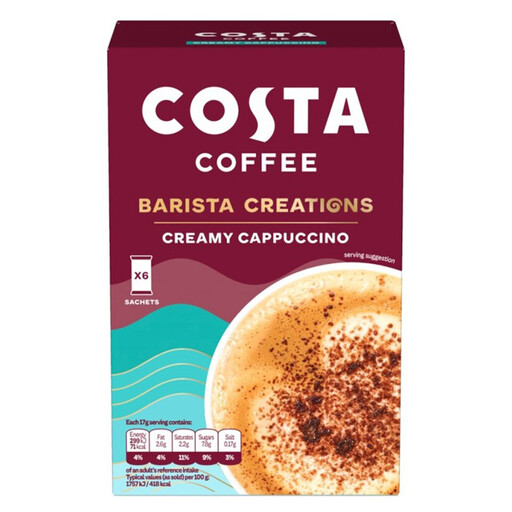
Why This Fits Their Persona: A six-serving pack suits occasional cappuccino drinkers who want a familiar-style hot drink without buying larger coffee multi-packs.
The product clearly states its six servings, milk allergen information and preparation format, making it easier to compare with larger packs.
Six individual sachets; contains instant and roasted ground coffee; prepared as a cappuccino-style drink.
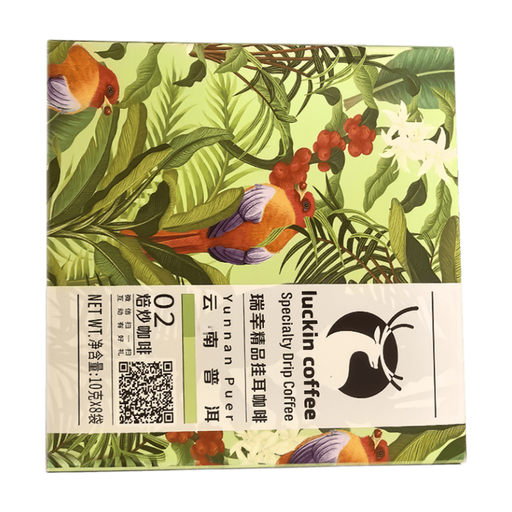
Why This Fits Their Persona: Suitable for drinkers who want single-origin-style 100% Arabica coffee and a pour-over routine without carrying a separate brewer.
The pack identifies 100% Arabica beans, an eight-bag format and approximately 150ml of brewing water, rather than presenting the product as a soluble instant drink.
Eight individually portioned 10g bags; 100% Arabica coffee; designed for direct brewing over a cup.
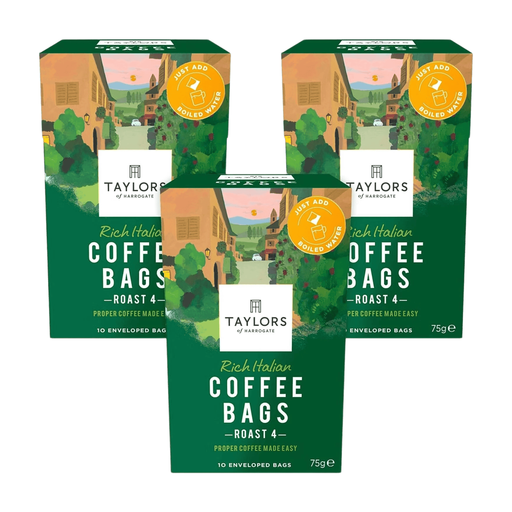
Why This Fits Their Persona: The three-pack is practical for regular home use, shared kitchens or keeping separate packs at home, work and in a travel bag.
The product is clearly identified as 100% Arabica ground coffee in individual bags, so it is not mistaken for a sweetened instant mix.
Three 75g packs; 100% roasted and ground Arabica coffee; individual coffee bags for mess-free brewing.

Why This Fits Their Persona: Designed for people who want a frothy cappuccino-style drink without choosing a standard caffeinated instant option.
The product name and ingredient list specify decaffeinated instant coffee and milk, helping shoppers distinguish it from regular cappuccino sachets.
Seven individual sachets; decaffeinated instant coffee; contains milk powder and is designed for a frothy cappuccino-style drink.
We have compiled a complete, real-time list of products that fully satisfy these strict selection criteria and UK safety regulations.
Open the outer wrapper, attach the filter bag to a mug and slowly pour hot water through the coffee grounds. Follow the pack’s recommended volume and temperature. Many drip bags suggest water around 90–95°C and approximately 150ml, but instructions vary.
Check the best-before date on the packaging and store unopened products in a cool, dry cupboard. Individual wrapping helps protect each serving. Once an outer pack is opened, keep the remaining bags sealed and use them according to the storage guidance.
The running cost depends on pack price, serving size and how many cups you make. Coffee bags generally require no capsule machine, cleaning cycle or separate filter, which may reduce equipment and preparation costs. Compare the price per serving rather than the pack price alone.