Dinner-party pour-over hosts
If you plan to make several servings from the same filter-coffee recipe, you may want to tare the brewer, follow fine weight readings and watch brew time without switching tools.


Choose a dedicated coffee scale if you want to repeat a pour-over recipe while tracking weight and brew time together; a fine stated increment, tare and a visible timer are the useful features. A general kitchen scale makes more sense if the same appliance must handle a larger brewing vessel and dinner preparation, provided its weighing increments suit your coffee recipe. In either case, check the combined weight of the vessel and its contents, and make sure the platform fits your setup.
If you plan to make several servings from the same filter-coffee recipe, you may want to tare the brewer, follow fine weight readings and watch brew time without switching tools.
If the scale will also help with dinner preparation, capacity for larger vessels, liquid measurement and add-and-weigh functions may matter more than fine coffee-dose adjustments.
If you regularly follow brewing recipes, flow-rate feedback or guided modes may be worth considering alongside basic weight and time readings.
Start with the coffee recipe and the loaded weight of your brewer or server. Then decide whether a built-in timer and finer readings would be more useful to you than a scale that also handles larger kitchen tasks.
| Concern | What to check | Who this matters to |
|---|---|---|
| Repeatable weighing and timing | Check the stated weighing increment, tare controls and timer operation. Make sure you can read the display with your brewer in place. | If I am pouring several servings to one recipe, I want to track coffee, water and time without changing tools. Around 45% of consumers put repeatable weighing and timing first. |
| Capacity and wider kitchen use | Compare maximum capacity with the vessel and its intended contents together; check platform fit and any liquid or add-and-weigh functions you need. | When my coffee server shares a scale with dinner ingredients, I need room for the larger loads. Capacity and multi-use practicality come first for around 33% of consumers. |
| Brewing feedback | Identify the flow-rate, recipe or connected features you would actually use, and check how their controls work. | If I brew frequently, guidance while pouring matters more to me than another general-purpose kitchen function. Around 22% of consumers prioritise those advanced coffee features. |
The brewer or server also sits on the scale. A model with fine coffee readings may still be unsuitable for a heavy, full dinner-party vessel.
Add the empty vessel’s weight to the coffee and water you intend to weigh, then leave headroom below the stated maximum. Timemore lists a 2 kg maximum for Basic 2.0, Acaia lists 3 kg for Pearl Model S, and Salter lists 5 kg for Aquatronic; the right limit depends on your setup.
Salter lists 1 g increments for Aquatronic, while Hario UK states 0.1 g accuracy for its V60 Drip Scale. Those statements describe different levels of detail for following a coffee dose; neither establishes how every scale performs under every load.
Decide how finely you need to adjust your recipe before choosing between a general kitchen scale and a dedicated coffee model.
Flow-rate displays and guided modes add ways to follow a pour, but they do not solve a capacity or platform-fit problem.
Choose those functions if you expect to use the feedback regularly. Otherwise, focus on the weighing, tare and timing controls your recipe requires.
Liquid resistance varies by model. Timemore describes a waterproof dial surface for Basic 2.0, which should not be taken as a claim that every part of the scale can be immersed.
Keep direct pours away from the controls and follow the exact model’s instructions for spills, cleaning and charging-port care.
The V60 Drip Scale is a coffee-focused option for a straightforward pour-over workflow.
Its Basic 2.0 combines coffee weighing and timing with additional pouring feedback.
Pearl Model S is aimed at coffee workflows that use brewing modes and feedback beyond weight and time.
Aquatronic is a general kitchen-scale option when coffee weighing must share an appliance with dinner preparation.
These TIMEMORE options are for weighing and timing coffee brews. For a dinner-party pour-over, compare their controls with your recipe, then check that your loaded brewer fits the scale you choose.
 No image available
Consider this model if you want weight and timing controls together for a repeatable pour-over recipe.
Its product title states 0.1 g precision, 2,000 g capacity, an automatic timer and a flow-rate function. The capacity includes the brewer and its contents; check that your server fits the usable platform.
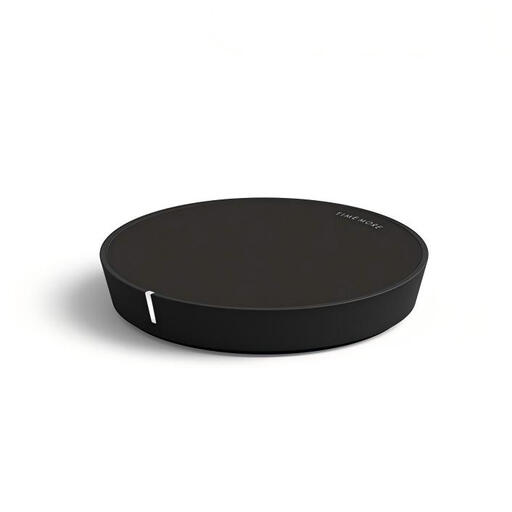 No image available
Consider the DOT if following a coffee-to-water ratio and monitoring the pour are part of your brewing routine.
Its product title identifies a ratio function, water-flow feedback, a timer, and espresso and pour-over modes. Before using it with a dinner-party server, confirm its maximum capacity, usable platform size and tare controls.
Yes, if its capacity fits your loaded brewer and its weighing increments suit your recipe. A general scale can also serve dinner preparation; choose a dedicated coffee scale instead if finer displayed steps and an integrated brew timer are important to you.
Choose capacity based on the combined weight of everything that will sit on the scale, not the water alone. Include the empty brewer or server, coffee and intended water, then allow headroom; Timemore lists 2 kg for Basic 2.0, Acaia lists 3 kg for Pearl Model S, and Salter lists 5 kg for Aquatronic.
Follow the cleaning instructions for the exact model and keep liquid away from openings. Timemore describes a waterproof dial surface on Basic 2.0, while Salter describes a wipe-clean design for the cited Aquatronic scale; neither description should be extended to every part of every scale.