
24/7 Customer Support

Free returns

Same-day & Next-day Delivery

Quality Guaranteed

Unlock Your Welcome Offers: FREE Delivery | Up to 80% OFF | Free 30-day JoyPlus trial
Download the APP
Buying coffee and soft drinks online can seem straightforward, but pack size, sweeteners, caffeine and storage details can quickly affect value and suitability. A low shelf price may not represent good value if the pack is too large for your household, while an attractive “premium” label may describe presentation rather than a noticeably different daily drink.
This guide explains what to check before ordering, then matches practical options to different UK shopping needs.
A 24-can multipack may appear cheaper than buying individual cans, but only if your household will use it before storage becomes inconvenient or the drinks lose carbonation. Compare the price per can, bottle or prepared serving, not just the total ticket price.
For coffee, compare the number of cups a jar or sachet pack may provide. A 190g jar of instant coffee, for example, will last for a different period depending on whether you use one teaspoon or a larger measure per mug.
Zero-sugar cola still commonly contains caffeine and sweeteners. Products such as Pepsi Max, Diet Coke and other zero-sugar cola drinks should be checked against the ingredients and nutrition panel, particularly if you are limiting caffeine or need to avoid phenylalanine from aspartame.
Decaf coffee is also not automatically caffeine-free. The amount may be reduced, but the packaging remains the appropriate source for product-specific information. This matters when choosing decaf coffee for evening use or a household with different preferences.
Instant coffee, 3-in-1 coffee, concentrated liquid and ready-to-drink coffee each solve a different convenience problem. A plain jar offers flexibility over strength and milk, whereas sachets include sweetener or creamer. Canned coffee is convenient for commuting but may contain milk and added sugar.
The format should match how you actually drink it, rather than being selected solely because the front label uses terms such as “premium instant coffee” or “barista-style”.
Always check the current pack label before consumption, as formulations and packaging can change. Look for:
For example, Kopiko Coffee Blanca 3in1 lists milk-derived ingredients, while POKKA Vanilla Coffee contains milk. By contrast, a plain soluble coffee such as NESCAFÉ Gold Blend lists soluble coffee and roast and ground coffee.
Check caffeine by serving size, not only per 100ml. A 250ml energy drink can provide a different total amount from a 330ml cola can, even when both list caffeine per 100ml.
Red Bull Energy Drink 250ml 12 Pack states 32mg of caffeine per 100ml and 80mg per can. Its label also says it is not recommended for children or pregnant or breastfeeding women. Energy drinks should therefore be selected with more care than ordinary fizzy drinks, especially for shared household supplies.
Cans and jars are easy to store, but large multipacks add weight and require dry, cool cupboard or pantry space. Check:
A smaller multipack may suit a flat or student kitchen, while a larger case can be practical for an office, family home or party host.
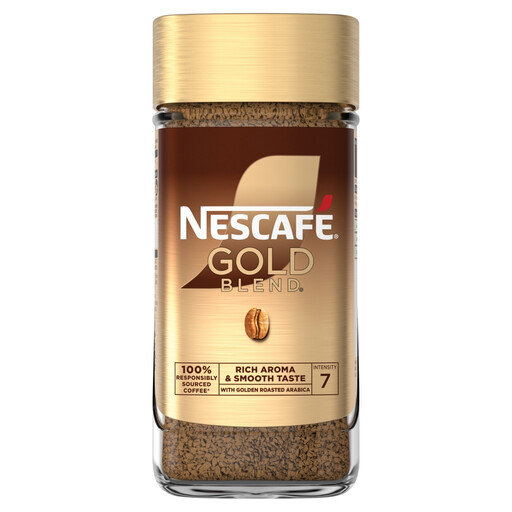
Why This Fits Their Persona: A straightforward jar for households, shared kitchens and regular mug drinkers who want everyday instant coffee without sachets or extra preparation.
It uses a plain soluble coffee format, so you can control the amount and avoid paying for pre-mixed sugar or creamer.
190g jar; soluble coffee with 3% roast and ground coffee; cool, dry storage.

Why This Fits Their Persona: Suitable for shoppers who prefer a fuller Americano-style cup and want a more café-inspired format using hot water at home or in an office kitchen.
The ingredient list identifies soluble coffee and 5% roast and ground coffee, making the format clearer than a vague café-style description.
90g tin; blend of Arabica and Robusta beans; prepared with approximately 200ml of hot water.

Why This Fits Their Persona: A practical choice for families, office fridges and party hosts who need a larger supply of individually portioned canned soft drinks.
The 24 x 330ml format makes the unit quantity and serving size clear, while the nutrition panel lists 0g sugar per 330ml can.
24 cans; 330ml individual servings; listed at approximately 1 calorie per can; suitable for vegetarians.
We have compiled a complete, real-time list of products that fully satisfy these strict selection criteria and UK safety regulations.
Students may prefer concentrated coffee liquid in individual 25g sticks, while commuters can consider ready-to-drink options such as POKKA Vanilla Coffee or Kopiko Lucky Day. For evening coffee, compare decaf coffee options such as NESCAFÉ Azera Decaf Americano, but still check the current label.
For gatherings, compare fizzy drinks multipacks by can size and total volume. Coca-Cola Original Taste 8 x 330ml suits a smaller fridge, while the 24-can version is designed for larger stock-ups. Diet Coke, Coke Zero and Pepsi Max provide zero-sugar alternatives, whereas regular cola contains significant sugar per can.
Usually, a jar of instant coffee can provide more prepared servings for the purchase price, particularly when made with water at home. Ready-to-drink coffee costs more per serving but offers portability and no preparation. Compare the total number of servings and include milk or sugar costs where relevant.
Keep unopened cans, bottles and coffee containers in a cool, dry place away from direct sunlight and heat. Once opened, follow the label instructions. Some ready-to-drink coffee products should be refrigerated and consumed within 24 hours after opening.
No. Check the caffeine warning and serving size before buying. The Red Bull product listed here states that it is not recommended for children or pregnant or breastfeeding women. Always read the current packaging and consume caffeinated drinks responsibly.