Bean-to-cup pantry stockers
For a home or shared kitchen with a grinder or bean-to-cup machine, the decision is how much whole-bean coffee can be used after each pack is opened.


For a pantry with a grinder or bean-to-cup machine, choose whole beans by weight in sealed packs that suit your rate of use; do not assume that “240 bags” describes whole beans. If the requirement is for individual drinks, check whether the offer contains coffee bags, instant sticks or another portioned format, and how each portion is prepared.
For a home or shared kitchen with a grinder or bean-to-cup machine, the decision is how much whole-bean coffee can be used after each pack is opened.
Choose beans with a roast and preparation guidance that fit the drinks and brewing equipment used, rather than treating a catering-box count as a flavour guide.
If “240 bags” means one portion per drink, establish whether coffee bags, instant sticks, sachets or pods are needed. These are not interchangeable with whole beans.
Settle the product format and brewing method first. Then choose a pack size and roast for the people who will use the coffee.
| Priority | What to check | Your needs |
|---|---|---|
| Product format | Check whether the unit is a weight of whole beans or a count of coffee bags, sticks, sachets or pods. Confirm how the coffee is prepared. | “240” matters to me as a portion count, or I need beans for a machine. I want the unit of sale to match that requirement. |
| Equipment | For whole beans, check that a grinder or bean-compatible machine is available. Check the exact coffee’s guidance for espresso, filter or cafetière use. | Our pantry has particular brewing equipment, so I need coffee that can be prepared with it. |
| Pack rotation | Compare pack weights with expected use. Check the pack’s best-before date, opening instructions and whether it can be closed effectively. | I would rather open one suitable pack at a time than leave a larger quantity exposed to air. |
| Roast and flavour | Read the roast level and tasting notes for the exact product. Check any brewing recommendations instead of assuming one roast suits every drink. | Some people drink espresso or add milk; others make filter coffee or cafetière. I need a profile they are likely to use. |
Whole beans need grinding, while coffee bags and instant portions have different preparation methods. Zepbrook / Green Works Coffee lists count-based coffee sticks and bags; Typhoo’s 240-count box contains tea bags.
Before comparing offers, specify either the required weight of whole beans and brewing method, or the number and type of individual portions.
Air exposure affects flavour. Waitrose & Partners advises using its 1kg Espresso Beans within two weeks of opening for the best taste; that instruction belongs to that product, not every bean pack.
Keep unopened packs sealed, open one at a time and follow the storage directions on each pack. Use an airtight container if an opened pack cannot be closed effectively.
A roast description does not tell you which grind or preparation suits your equipment. Union Hand-Roasted Coffee, for example, recommends its House Roast for cafetière and filter preparation.
Check the exact coffee’s roast, tasting notes and brewing guidance, then grind whole beans for the method being used.
Pack details matter when a particular ingredient, origin, certification or best-before date is required. Marks & Spencer advises shoppers that product information can change.
Check the current listing before ordering and read the label on the delivered pack, especially for a specific dietary or business requirement.
These examples show whole-bean pack formats and product details to compare; they do not indicate which brands are included in the Joybuy selection below.
Lavazza UK lists whole beans in 450g, 500g and 1kg formats.
illy’s UK whole-bean range includes 250g and 500g products.
Union offers its House Roast as whole beans in 200g and 1kg options.
Waitrose & Partners lists Taylors of Harrogate Rich Italian Beans in a 700g pack.
Marks & Spencer lists whole-bean choices in 227g and 454g packs.
Waitrose & Partners lists its own 1kg Espresso Beans alongside other whole-bean products.
These Joybuy listings are weighted packs of whole beans for a pantry with suitable grinding equipment. Compare the amount you expect to use after opening; none of these pack titles describes 240 individual portions.
 No image available
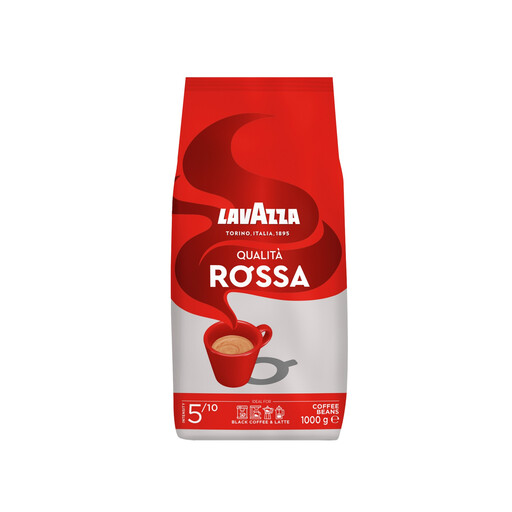
A 1000g whole-bean pack to consider when the pantry can use a larger opened bag. Check the delivered pack’s best-before date and storage instructions before planning rotation.
 No image available
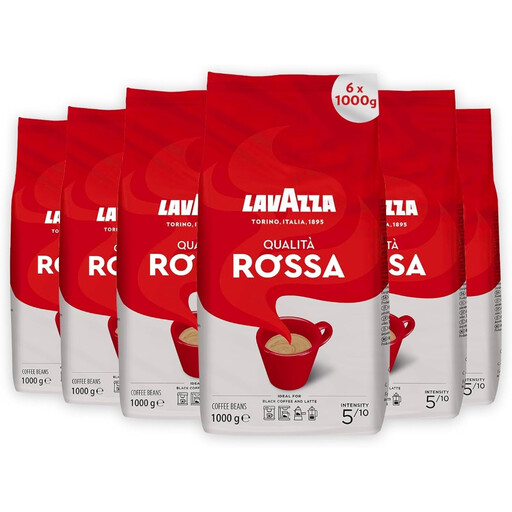
Six separate 1kg whole-bean bags suit a pantry that can work through a larger stock while opening one bag at a time. Check the delivered bags’ dates and how each opened bag should be stored; the case is not a 240-portion box.
 No image available
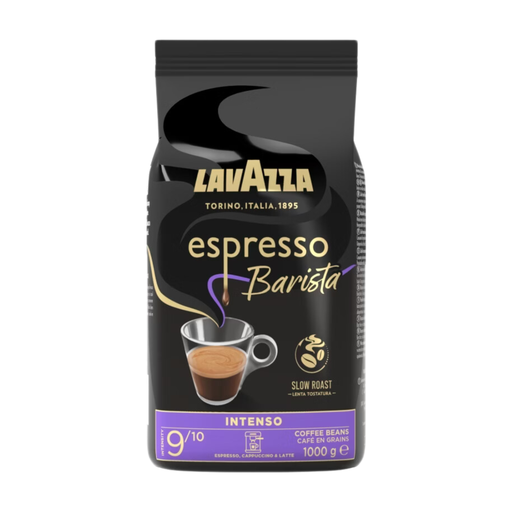
This 1kg bean pack is an option for weighted pantry stocking. Check the exact pack’s brewing and post-opening storage directions against the equipment and rate of use in your kitchen.
 No image available
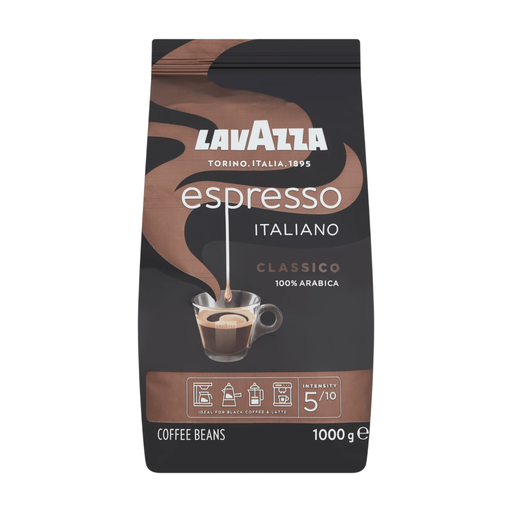
A 1kg whole-bean option for a pantry equipped to grind coffee. Read the exact pack for its roast, brewing and storage directions rather than choosing on the word “Espresso” alone.
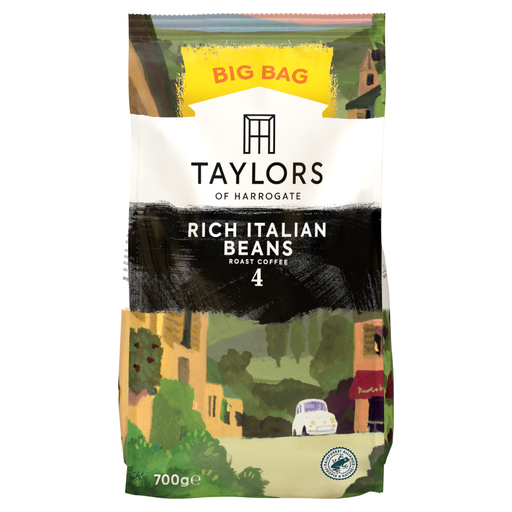 No image available
The 700g pack offers a smaller whole-bean quantity than the 1kg options above. Waitrose & Partners describes this Rich Italian product as medium roast and 100% Arabica, and advises clipping the opened pack closed and keeping it in a cool, dry place.
No: check the product format and weight rather than treating the count as a bean quantity. UK whole-bean listings from Lavazza, illy and Marks & Spencer specify pack weights, while Zepbrook / Green Works Coffee lists some portioned coffees by count. A box marked “240 bags” needs its contents and preparation method checked before ordering.
Follow the instructions on the exact pack and limit exposure to air. Union Hand-Roasted Coffee advises an airtight container in a cool, dry cupboard away from sunlight, heat and moisture; also check the pack’s best-before date.
It depends on the amount used per drink. Waitrose & Partners recommends 16–17g for a 50ml double espresso or 15g for a 250ml filter or cafetière cup with its 1kg Espresso Beans. At those stated amounts, 1kg provides roughly 58–62 double espressos or 66 cups of filter or cafetière coffee before allowing for grinding losses and recipe changes.
Several sealed packs make sense when use is slow or unpredictable, because only one needs to be opened at a time. A larger bag is more practical when it can be used promptly after opening. Waitrose & Partners recommends using its 1kg Espresso Beans within two weeks of opening for the best taste; follow the directions for whichever coffee you buy.