Quick afternoon cafetiere makers
Consumers who want to prepare a repeatable portion for one or more cups without spending much of their break measuring or grinding by hand.


Choose a burr grinder whose stated range reaches a coarse setting for cafetiere coffee, then decide how much work you want each afternoon. An electric model with cup or timer controls can simplify repeat portions; a manual model avoids reliance on a socket but takes more effort. If espresso is a realistic future use, check the exact grinder’s stated range rather than assuming every brew-focused model can make it.
Consumers who want to prepare a repeatable portion for one or more cups without spending much of their break measuring or grinding by hand.
Consumers moving from pre-ground coffee or a blade grinder who chiefly want adjustable burr grinding with a stated coarse range.
Consumers who would rather grind by hand than rely on a nearby socket or run a motor during a quiet afternoon break.
Start with a documented coarse range for cafetiere brewing. Then choose between easier electric dosing and the effort of hand grinding, keeping any future espresso plans in view.
| Concern | What to check | Who this matters to |
|---|---|---|
| Coarse-range control | Check the exact model’s stated cafetiere, French-press or coarse-brew range; a setting count alone does not establish the result. | If my cafetiere is the main reason to buy a grinder, I want an adjustable coarse setting rather than controls I will rarely use. Around 40% of consumers put coarse-range control first. |
| Repeatable portions | Check how the grinder dispenses grounds and whether its cup or timer controls suit your usual cafetiere portion. | When I make coffee between other activities, I want to prepare a familiar amount without timing every grind myself; around 30% of consumers prioritise that dosing convenience. |
| Future brew methods | Confirm the exact model’s stated range if espresso may be needed later; a grinder intended for brewed coffee may not cover it. | I may add an espresso machine, so I do not want a cafetiere purchase to rule out that plan. Around 20% of consumers put future brew-method flexibility first. |
| Quiet, plug-free use | Consider the effort of hand grinding and check that a manual model holds enough beans for your usual batch. | In a quiet setting or away from a socket, I would accept more work for a hand-operated grinder; roughly 10% of consumers make plug-free use their primary concern. |
A motor or a long list of settings does not, by itself, tell you whether the grinder reaches a usable coarse range.
Look for a coarse, French-press or immersion-brew range stated for the exact model you intend to buy.
Fellow says its Ode grinder is intended for brewed coffee and is not suitable for espresso.
If espresso is a likely next step, choose a model whose stated range covers both that use and cafetiere brewing.
Otherwise, you may need a different grinder when you start making espresso.
Wilfa UK describes its Svart models as final stock or discontinued and positions Zense as their replacement. Availability can also change for individual manual grinders.
Before paying, confirm the exact model and current availability, then check the relevant warranty and returns information.
Water contact with the base, cord or plug creates an electrical-safety risk.
Follow the exact model’s instructions. Sage’s Smart Grinder Pro manual says to switch off at the outlet and unplug before cleaning, and not to immerse the base, cord or plug in water.
These examples show how particular grinder lines address coarse brewing, dosing or hand grinding; check the exact model rather than treating a brand name as a specification.
The electric Encore is a route for consumers who want a stated coarse range without making programmed dosing the main priority.
Wilfa’s grinder range is relevant when comparing everyday coarse brewing with models intended for other methods.
The Smart Grinder Pro is an electric option for consumers who want controls for repeat portions and may also make espresso.
Ode Gen 2 is a brew-focused electric option for consumers interested in cafetiere and other brewed-coffee methods.
Skerton Pro illustrates the manual route for consumers who favour plug-free grinding over an electric workflow.
These electric and manual grinders offer different ways to prepare coffee for an afternoon cafetiere. Check the exact model’s coarse adjustment and batch size against the amount you normally make; cup controls and a rechargeable design address different parts of the routine.
 No image available
For a break away from a mains socket, this rechargeable model combines one-touch operation with a stated French-press grind range.
The product name specifies adjustable settings, Type-C charging and a 1000mAh battery. Check its bean capacity and how many portions a charge will cover; battery capacity alone does not answer either question.
 No image available
For a repeatable cafetiere routine, its French Press cup selection and adjustable grind timing provide controls worth considering.
This brushed stainless steel variant is named with 60 grind settings and a conical burr. Check whether the cup and timer controls dispense the amount your cafetiere needs. Follow Sage’s instructions to unplug the grinder before cleaning.
 No image available
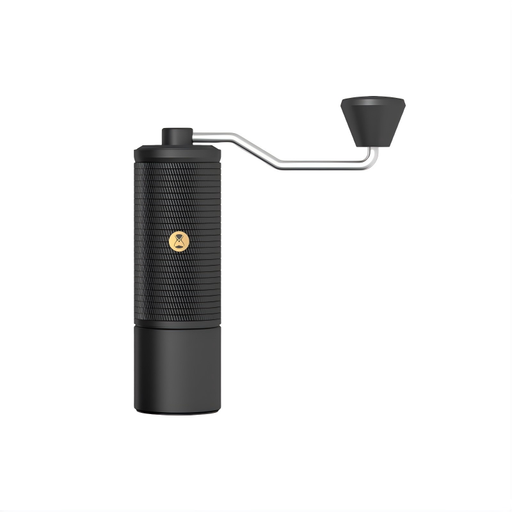
For a plug-free cafetiere break, this hand-operated model is worth considering if you are comfortable grinding each portion yourself.
Its name specifies adjustable scale markings. Check the available coarse setting and bean or grounds capacity against your usual cafetiere batch.
 No image available
This manual model suits consumers prepared to trade quicker electric dosing for a plug-free afternoon routine.
Before choosing it for a cafetiere, check its coarse adjustment and whether its bean capacity accommodates your usual portion. Hand grinding adds time and effort.
 No image available
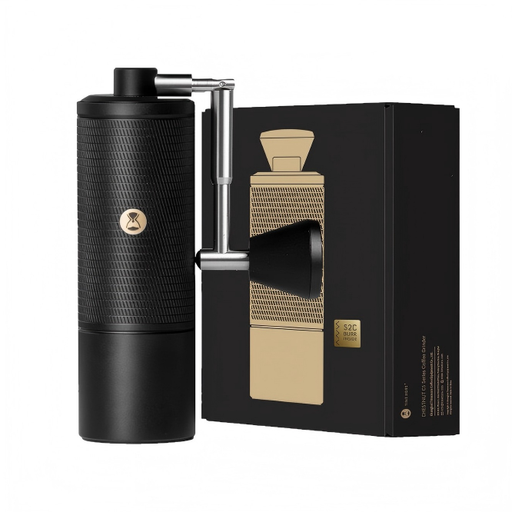
Consider this hand-operated grinder when avoiding a powered grinding routine matters more than preparing coffee quickly.
Check the C5 Pro’s coarse adjustment and bean capacity for your cafetiere batch rather than assuming they match the C5 ESP Pro. Allow for the effort of grinding by hand.
No: a grinder with a documented coarse or French-press range can also serve other methods within its stated range. If espresso matters too, check that capability separately; Fellow says its brew-focused Ode is not suitable for espresso.
An electric grinder avoids hand grinding, and cup or timer controls can help when you regularly prepare the same amount. A manual grinder makes more sense if plug-free operation matters enough to accept the extra work.
Follow the instructions for your exact model before removing parts or cleaning it. For the Sage Smart Grinder Pro, Sage says to switch off at the outlet and unplug before cleaning, and not to immerse the base, cord or plug in water.
It can be, provided the exact model is available and its warranty and replacement-parts arrangements suit you. Wilfa UK describes its Svart models as final stock or discontinued and positions Zense as their replacement, so compare the current model rather than relying on older reviews alone.