
24/7 Customer Support

Free returns

Same-day & Next-day Delivery

Quality Guaranteed

Unlock Your Welcome Offers: FREE Delivery | Up to 80% OFF | Free 30-day JoyPlus trial
Download the APP
The right coffee machine can make mornings easier, but the wrong one may take up valuable worktop space, create unnecessary cleaning or leave you with features you rarely use. UK shoppers comparing coffee machines, espresso makers and filter brewers should look beyond pressure numbers and polished marketing language.
This guide explains the practical specifications that matter, highlights common buying traps and matches selected models to different household needs.
Many espresso machines advertise 15 or 20-bar pumps. This describes the pump’s maximum capability, not necessarily the pressure at which coffee is extracted. Grind size, dosing, tamping and the filter basket also affect the result.
A 15-bar pump can be suitable for home espresso, while a higher number alone should not determine your purchase. Look instead for useful features such as stable heating, suitable filters and straightforward controls.
A machine may appear compact in product photographs but still require space for the water tank, portafilter handle and steam wand. Check the published dimensions and leave room above the appliance for refilling.
For flats, a compact coffee machine with a small footprint of around 15cm in width can be more practical than a larger automatic model. Also check whether the drip tray can accommodate your favourite mug or iced coffee glass.
A filter coffee machine is designed for brewing several cups efficiently, while a manual espresso machine suits users who enjoy preparing individual drinks. Buying a cappuccino maker when you mainly drink black filter coffee may add cleaning and preparation without improving convenience.
Consider how often you make milk drinks, whether you use ground coffee or pods and whether cold drinks are part of your routine before choosing.
Check whether the filter baskets, portafilter and included accessories support your preferred preparation method.
A 1-litre tank may be sufficient for occasional espresso, but a household making several drinks each morning may prefer 1.2 to 1.5 litres. Filter models commonly use a jug capacity rather than individual cup measurements. For example, a 1.25-litre carafe can make up to 10 cups according to the listed product specification.
A larger tank reduces refilling but can make the appliance bulkier. For one or two drinkers, a small drip coffee maker or slim manual espresso machine may be more sensible.
Look for removable water tanks and drip trays, wipe-clean surfaces and an accessible steam wand. Milk residue should be cleaned from a steam wand after every use.
For UK kitchens, use a suitable 220–240V earthed socket and follow the manufacturer’s instructions. Automatic shut-off is useful when available, but it should not replace switching off and unplugging an appliance when it is not needed. Hot water, steam, the portafilter and warming plates can cause burns, so allow parts to cool before cleaning.
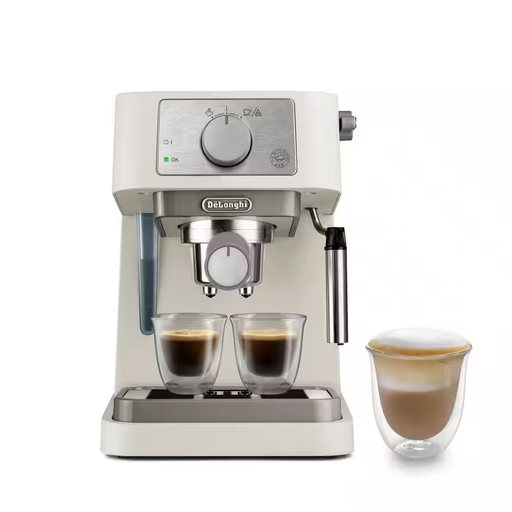
Why This Fits Their Persona: This manual espresso machine offers a relatively simple entry point for households wanting espresso, cappuccino or latte drinks without a larger automatic appliance.
Its published specifications clearly identify a 15-bar pump, manual steam wand, ground coffee and E.S.E. pod compatibility, so buyers can assess the workflow before ordering.
Approx. 15cm width, 1-litre water tank, single and double filters and a two-tier drip tray for cups up to 110mm.
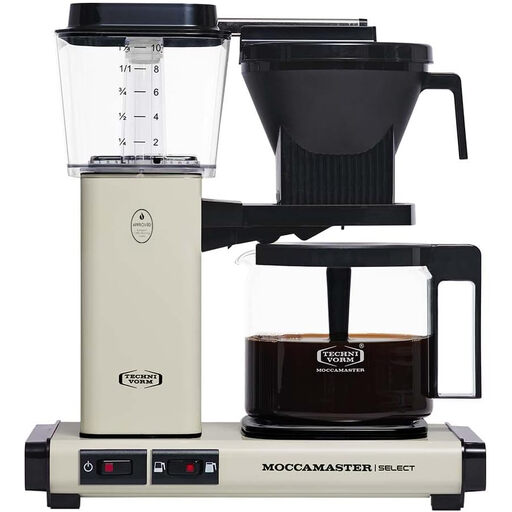
Why This Fits Their Persona: It suits coffee drinkers who prioritise batch brewing, defined specifications and a repairable design for regular home use.
The KBG Select includes a full- or half-carafe switch, helping users avoid automatically brewing a full jug when only a few cups are required.
1.25-litre capacity, stated 92–96°C brewing range, ECBC certification, automatic shut-off after 40 minutes and a five-year manufacturer’s warranty.

Why This Fits Their Persona: A slim option for users who want espresso, milk-based drinks and a dedicated cold extraction setting in one appliance.
Unlike machines that require improvised iced coffee methods, it lists a dedicated Cold Brew recipe alongside espresso and double espresso controls.
Approx. 15cm width, thermoblock heating, adjustable drip tray, 15-bar system and My LatteArt steam wand.
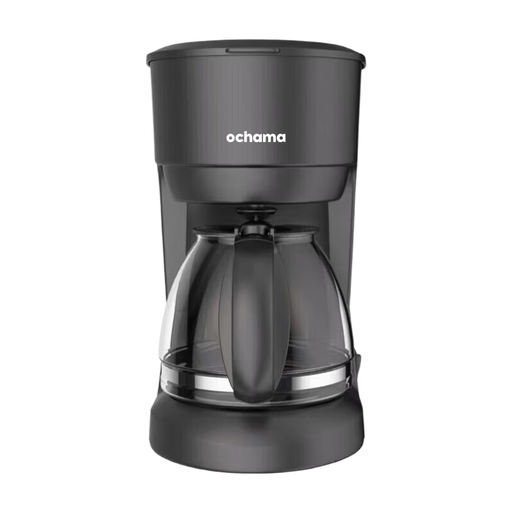
Why This Fits Their Persona: Its automatic drip format is suitable for straightforward American-style coffee at home, in a small office or for one or two regular drinkers.
The 750ml capacity and 30-minute keep-warm function are clearly stated, making its intended small-batch use easier to judge.
600W power, automatic brewing, removable parts for cleaning and a compact household design.
We have compiled a complete, real-time list of products that fully satisfy these strict selection criteria and UK safety regulations.
Running cost depends on wattage, brewing time, water heating and how often the machine is used. Coffee, milk, filters and E.S.E. pods may cost more over time than the electricity alone. A machine with automatic shut-off or standby management can help avoid unnecessary energy use, but regular descaling and cleaning are also important for efficient operation.
It requires more involvement than a bean-to-cup model. You normally measure ground coffee, tamp it, lock the portafilter and clean the equipment afterwards. In return, a manual machine offers control over coffee choice and milk texture. Users seeking convenience may prefer a filter coffee machine or pod-compatible model.
Lifespan varies with construction, water hardness, frequency of use and maintenance. Emptying the drip tray, rinsing removable parts, cleaning the steam wand after use and descaling according to the manual can help preserve performance. Before buying, check the warranty, availability of replacement parts and whether the design allows routine cleaning.