Hosts with a capsule machine
Start with the machine’s exact system and model, then choose capsules stated to fit it. Lavazza UK sells formats for different machines and excludes the Melody I from its Dolce Gusto-compatible range.


Choose capsules only if the host has a machine confirmed to accept that format and wants to make drinks individually. Without a capsule machine, coffee bags offer a mug-brewed option; ground coffee is the route to consider for serving several guests with a suitable filter brewer or cafetière. Check whether a decaf option is useful, and arrange a dedicated recycling route if you choose capsules.
Start with the machine’s exact system and model, then choose capsules stated to fit it. Lavazza UK sells formats for different machines and excludes the Melody I from its Dolce Gusto-compatible range.
Coffee bags let guests brew individual mugs using hot water. Marks & Spencer instructs buyers to brew its Jump Start coffee bags for four minutes; check the directions on the bags you choose.
If a filter brewer or cafetière is available, ground coffee is the format to assess for a shared preparation. Check that the chosen coffee’s grind and instructions suit the equipment.
Start with the equipment at the host’s home and how many cups need making at once. Then check the format-specific details before choosing a coffee.
Choose when: The host owns a confirmed compatible machine and is happy to make guests’ drinks one at a time.
Trade-off: Capsules cannot stand in for ground filter coffee, and used pods need a suitable collection route.
Choose when: There is no coffee machine and guests want individual mugs.
Trade-off: Each serving needs its own bag and brewing time rather than coming from a shared batch.
Choose when: A suitable filter brewer or cafetière is available for making coffee for several guests.
Trade-off: The grind and preparation instructions must suit the brewer; ground coffee does not go into a capsule machine.
| Priority | What to check | When it matters |
|---|---|---|
| Machine fit | Match the capsule’s stated system to the machine and check model exclusions. Lavazza UK, for example, excludes the Melody I from its Dolce Gusto-compatible range. | I have a capsule machine and do not want to buy a format it cannot use. |
| Serving method | Check whether each cup needs a capsule or coffee bag, or whether the host has equipment for ground coffee. For ground coffee, check the grind and brewing instructions against that equipment. | Several guests may want coffee together, so I need to know whether I can make a batch or will prepare separate cups. |
| Decaf choice | Look for an explicit decaf designation in a format the host can brew. Do not use a roast or intensity label as a caffeine measure. | Some guests may prefer decaf, particularly at an evening meeting. |
| Used capsules | Check the pod type and postcode with Podback’s Recycle Checker. Northern Ireland’s Department of Agriculture, Environment and Rural Affairs says pods require separate collection rather than conventional recycling sorting. | If I serve capsules regularly, I need a practical way to collect and return the used pods. |
A machine capsule, a coffee bag and ground coffee call for different preparation methods; the wrong format may not work with the host’s equipment.
Identify what the host has first: a particular capsule machine, a filter brewer or cafetière, or just a kettle and mugs.
Even a familiar system name does not settle every model question. Lavazza UK excludes the Melody I from its Dolce Gusto-compatible range; Tesco also flags issues for one Finest capsule with certain U, Expert and Prodigo machines bought after 25 July 2016.
Read the capsule’s compatibility statement and any exclusions alongside the machine documentation before choosing a pack.
Northern Ireland government recycling guidance says pods are not suited to conventional collection and sorting. A capsule’s material alone does not establish a local collection route.
Use Podback’s Recycle Checker for the relevant pod and postcode, then follow the collection instructions.
A separate route may mean keeping used capsules for a collection or drop-off.
Guests who prefer decaf cannot use an alternative that does not fit the host’s brewing method. Roast strength is not a reliable way to identify caffeine content.
If decaf would be useful, choose a clearly labelled product in a format the host can prepare.
These brands illustrate different formats and checks; their inclusion does not mean every product in a range suits the same equipment.
A capsule reference for hosts who already own a compatible machine; Lavazza UK also lists ground coffee.
A reference for non-capsule choices, including coffee bags and ground coffee listed by Tesco Groceries.
Marks & Spencer lists coffee bags, pods, ground coffee and decaf options in its UK range.
A retailer own-label capsule reference for a host checking Nespresso machine compatibility.
Relevant here to capsule disposal: Podback says Jacobs Douwe Egberts co-created its UK pod-recycling service.
These options cover coffee bags and one-cup filters for individual servings, capsules for a confirmed compatible machine, and ground coffee to assess for suitable brewing equipment. They are different formats, not interchangeable kinds of pod.
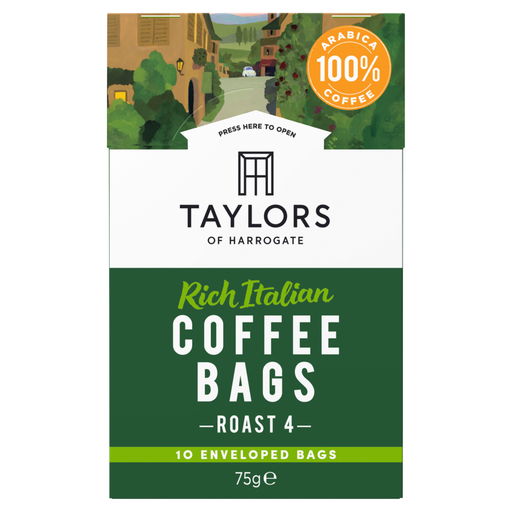 No image available
A coffee-bag option for making individual mugs without a capsule machine. The 75g pack is not a batch-brewing format; check the pack directions when preparing each cup.
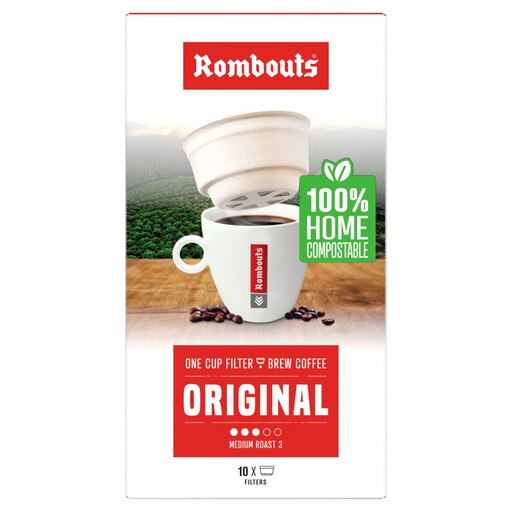 No image available
A one-cup filter option to consider when guests want separate servings rather than a shared batch. Check its preparation instructions against the host’s setup and follow local instructions for disposing of the used filter.
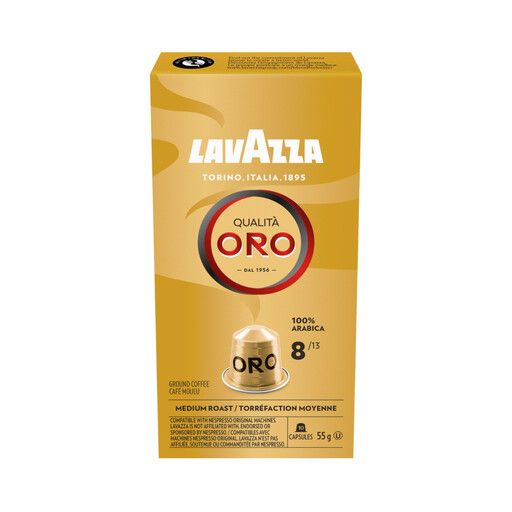 No image available
Ten capsules for individual drinks if the host’s exact machine accepts this Nespresso-compatible format. Confirm model compatibility before buying and check the local route for used capsules.
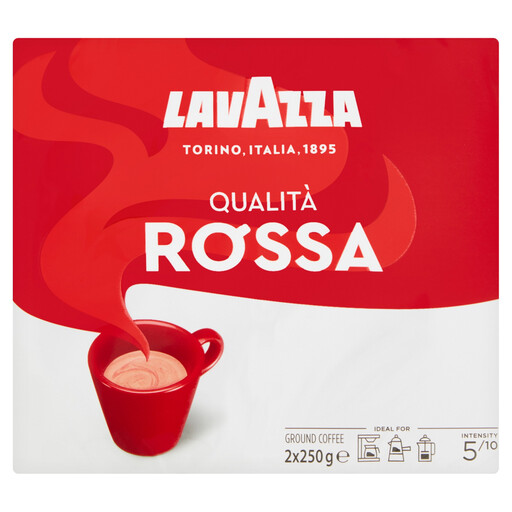 No image available
A 500g ground-coffee option to assess if the host plans to use a filter brewer or cafetière for several guests. Check the grind and pack instructions against that brewer; this is not a capsule or coffee bag.
 No image available
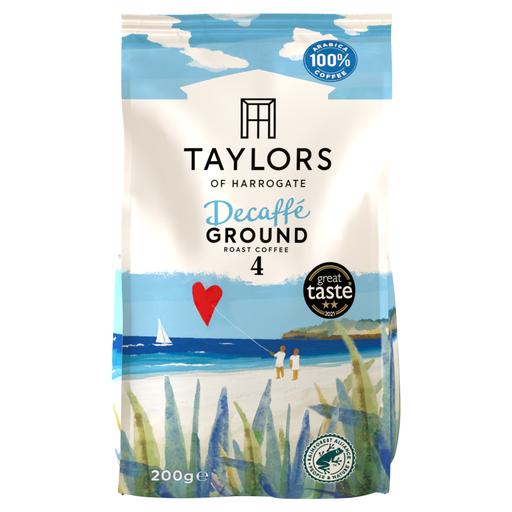
A 200g decaf ground-coffee option for guests who prefer it. Before pairing it with the host’s filter brewer or cafetière, check the grind and preparation instructions on the pack.
No: a machine capsule is not a general substitute for ground coffee used with a filter brewer. Tesco Groceries lists ground coffee, filters and coffee bags separately, while Lavazza UK tells capsule buyers to identify the format for their machine. Choose by the brewing equipment the host has.
No. Check the stated capsule system and any exclusions for the exact machine model. Lavazza UK, for instance, excludes the Melody I from its Dolce Gusto-compatible range; Tesco flags possible issues for one Finest capsule with certain U, Expert and Prodigo machines bought after 25 July 2016.
Coffee bags are an option for individual mugs made with hot water, rather than capsules for a machine. Marks & Spencer instructs buyers to brew its Jump Start coffee bags for four minutes; follow the directions for the product you buy.
Do not assume they can. Northern Ireland’s Department of Agriculture, Environment and Rural Affairs says pods are not suited to conventional recycling collection and sorting. Check the pod type and your postcode with Podback’s Recycle Checker for an appropriate route.
It gives guests an alternative if some prefer to avoid caffeinated coffee, particularly at an evening meeting. Choose a product explicitly labelled decaf that the host can prepare with the available equipment.