
24/7 Customer Support

Free returns

Same-day & Next-day Delivery

Quality Guaranteed

Unlock Your Welcome Offers: FREE Delivery | Up to 80% OFF | Free 30-day JoyPlus trial
Download the APP
Buying cognac and brandy online can feel straightforward until you compare age labels, bottle sizes, origins and serving suggestions. A 70cl bottle may suit a dinner party, while a 35cl bottle could be more practical for occasional drinking or gifting. Meanwhile, terms such as “premium”, “old” and “French style” do not always mean the same thing.
This guide helps UK adults aged 18 and over compare spirits more carefully, avoid common shopping traps and choose a bottle suited to sipping, cocktails, entertaining or gifting.
Cognac is a specific type of French brandy produced in the Cognac region under protected production rules. French brandy may be made elsewhere in France, while Spanish brandy follows different regional traditions and maturation methods.
A bottle labelled “brandy” is not automatically a cognac. Check the product’s stated country and region of origin before paying extra for a style you may not be receiving.
Labels such as VS cognac and VSOP cognac provide useful information, but they do not describe every aspect of flavour. VS generally indicates a younger style, often chosen for mixed drinks and lively fruit character. VSOP indicates a longer minimum maturation category and may offer more oak, spice and rounded texture.
However, blending, cask selection and the producer’s house style also influence the final drink. A VSOP is not automatically the right choice for every occasion, particularly if you mainly make cocktails.
A 70cl cognac is a common full-size bottle, but smaller formats can be more suitable for a first purchase or a gift basket. Also check the ABV, bottle quantity and alcohol units. Many full-size bottles in this selection contain approximately 28 UK units at 40% ABV, while lower-strength brandies contain fewer units.
Multipacks can reduce the price per bottle, but only if you genuinely need two bottles and have suitable storage. Always check the delivery age-verification requirements for alcohol in the UK.
Look for clear wording such as Cognac, France, French brandy or Spain. The term Cognac Fine Champagne refers to a blend made from eaux-de-vie sourced from the Grande Champagne and Petite Champagne crus. It does not mean sparkling wine.
If origin matters to you, compare the region, grape or spirit base and maturation description rather than relying only on front-label design.
For a first bottle, consider how you will serve it. A cocktail ingredient does not need the same profile as a cognac gift intended for neat sipping.
A standard 70cl bottle is practical for home bars and hosting. A 35cl bottle can limit unused stock and may suit occasional drinkers. Check whether the product contains sulphites, added colour or sugar-based ingredients if this is important to your purchase.
For example, some brandies list caramel colouring or sugar syrup, while cognac products may list sulphites. Product labels and packaging remain the final reference for ingredients and nutrition.
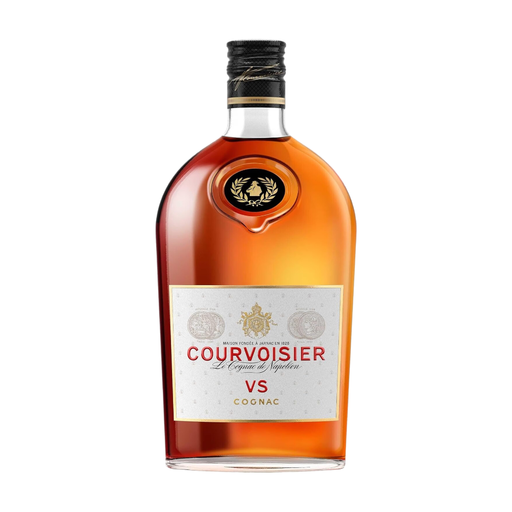
Why This Fits Their Persona: The smaller 35cl format is a manageable way to try French cognac without committing to a full-size bottle. Its stated 40% ABV suits neat serves, ice or mixed drinks.
It makes the bottle quantity clear, helping occasional drinkers avoid buying more spirit than they can reasonably use.
French origin, 35cl format and a VS profile described with apple, pear, grapefruit and oak notes.
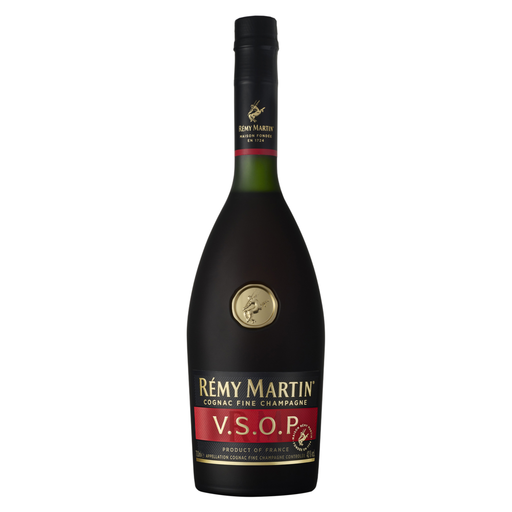
Why This Fits Their Persona: This 70cl Cognac Fine Champagne expression is suited to shoppers seeking a recognisable French spirit for neat serving, gifting or a more considered home-bar selection.
The product description identifies the Fine Champagne designation and 40% ABV, giving buyers more useful detail than vague premium wording alone.
70cl bottle, 40% ABV and a stated Fine Champagne blend from Grande and Petite Champagne crus.
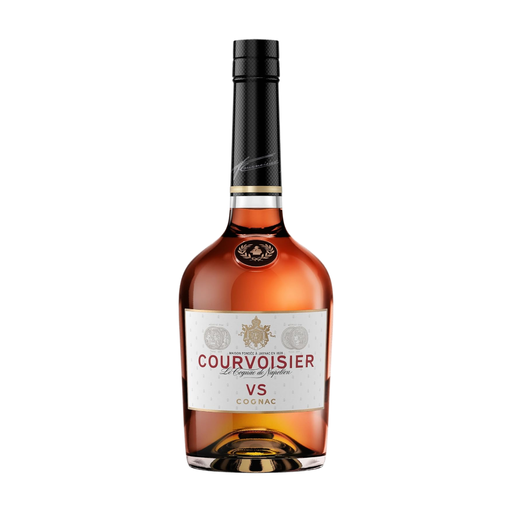
Why This Fits Their Persona: The full-size bottle gives hosts more scope for highballs, Sidecars and long drinks, while the listed apple, pear and grapefruit notes can complement citrus mixers.
Its stated serving options make the intended use clear, reducing the risk of buying a more mature bottle when mixing is the priority.
70cl size, 40% ABV and a product description specifically suggesting long drinks and cocktails.
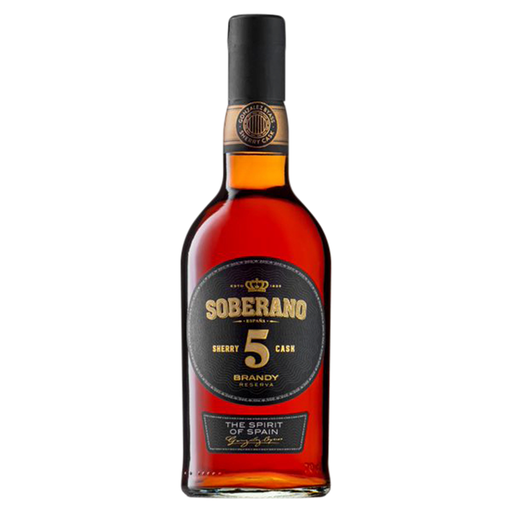
Why This Fits Their Persona: This Spanish brandy offers an alternative to French cognac, with a solera-style maturation description and a 36% ABV suited to relaxed home serving.
The country of origin, 70cl volume and 36% ABV are stated clearly, so shoppers can compare it fairly with 40% French spirits.
Spanish origin, five-year solera description, 70cl bottle and suitability for vegetarian and vegan shoppers.
For cognac neat or on the rocks, use a small spirit glass and allow the drink to settle briefly before tasting. Ice will lower the temperature and dilute the spirit gradually, which can make the drink feel lighter.
For brandy for cocktails, VS expressions are often a practical starting point because their fruit and oak character can work with citrus, soda, lemonade or other mixers. A VSOP can also be used in cocktails, although its more developed profile may be better appreciated in a simpler serve.
Store opened bottles upright in a cool, dark place away from direct sunlight and temperature changes. Spirits do not generally mature further in the bottle. Once opened, limiting air exposure by sealing the cap firmly can help preserve aroma and flavour.
We have compiled a complete, real-time list of products that fully satisfy these strict selection criteria and UK safety regulations.
Not necessarily. Many cognac and brandy bottles are 40% ABV, but some brandies are bottled at lower strengths, such as 36% or 38%. Check the label and calculate servings using the stated alcohol units.
VS cognac is often a practical choice for cocktails and long drinks because it is generally designed around a younger, livelier style. VSOP cognac can be used in cocktails too, but may suit buyers who also want to drink the spirit neat or over ice.
Prices vary according to brand, designation, bottle size, pack quantity and promotional availability. Compare the cost per 70cl equivalent, delivery charges and whether a multipack offers genuine value. For gifting, also consider presentation, bottle condition and the recipient’s preferred serving style.