
24/7 Customer Support

Free returns

Same-day & Next-day Delivery

Quality Guaranteed

Unlock Your Welcome Offers: FREE Delivery | Up to 80% OFF | Free 30-day JoyPlus trial
Download the APP
Buying cognac and brandy online can seem straightforward: choose a familiar label, check the bottle size and place an order. However, differences in ageing, origin, strength, serving style and pack quantity can make two similar-looking bottles suited to very different occasions.
For UK shoppers, the key is to look beyond phrases such as “smooth”, “luxurious” or “crafted with heritage”. These descriptions are subjective. The more useful checks are the spirit category, minimum ageing designation, alcohol units, bottle size, ingredients and whether the bottle matches your intended use.
Cognac is a type of brandy made in the Cognac region of France under specific production rules. Brandy is a broader category that can be produced in many countries and from different grape or fruit spirits.
A bottle described as French cognac should identify Cognac as its region of origin. A French brandy may be made in France without meeting the geographical and production requirements for cognac. Neither category is automatically right for every drink, so check the label rather than relying on French-looking packaging.
The terms VS cognac and VSOP cognac refer to ageing categories. For Cognac, VS indicates that the youngest eau-de-vie in the blend has been aged for at least two years, while VSOP indicates at least four years. These terms do not guarantee that every bottle will taste the same.
VS expressions are often chosen for highballs and mixed drinks, where bright fruit and oak notes can work with lemonade, soda or citrus. VSOP usually offers a more developed profile for sipping neat or over ice, although personal taste remains important.
A 70cl cognac is a familiar format for home bars and gifting, but a 35cl bottle may be more practical if you drink occasionally or want to try a style before buying a larger bottle. Multipacks can make sense for regular entertaining, but check the total volume and storage space before comparing the price.
Look for the stated country and region, such as France and Cognac. If a bottle is labelled VS or VSOP, confirm that the classification appears clearly in the product information. For wider brandy choices, check whether it is grape brandy, blended brandy or a ready-to-drink product containing brandy flavour.
Many traditional cognac and brandy bottles contain 40% ABV. A 70cl bottle at this strength commonly contains approximately 28 UK units, while a 25ml serving is around one unit. Some brandy products have a different strength; for example, Bardinet VSOP Finest Brandy is listed at 36% ABV and Three Barrels Rare Old French Brandy VSOP at 38%.
The UK Chief Medical Officers advise that adults should not regularly exceed 14 units per week. Alcohol is age restricted and Joybuy deliveries may require proof that the recipient is aged 18 or over. Do not drink during pregnancy and never drink and drive.
For cognac for cocktails, a VS bottle is often a practical starting point. Its fruit and oak character can remain noticeable when combined with lemonade, ginger ale, bitters or citrus. VSOP may be preferable when you want one bottle for both cocktails and occasional neat serves.
For gifting, consider a recognised style, an attractive presentation and whether the recipient prefers a 70cl bottle or a smaller format. For a home bar, compare bottle strength, intended serves and whether a single bottle or pack of two offers better practical value.
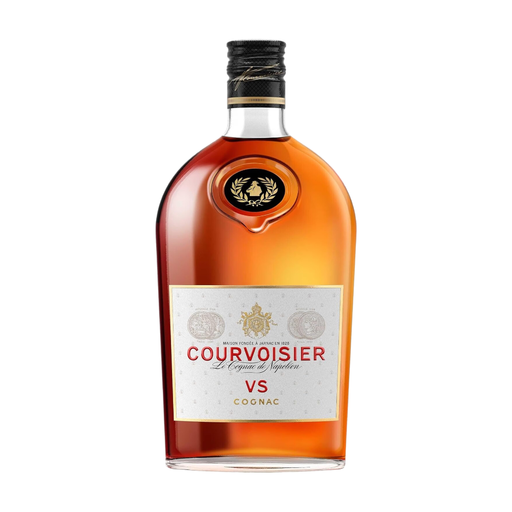
Why This Fits Their Persona: The 35cl format offers a manageable way to explore French cognac without committing to a full 70cl bottle. Its listed 40% ABV suits simple serves or mixed drinks.
The smaller bottle reduces the risk of overbuying when you are still deciding between VS and VSOP.
35cl size; 40% ABV; listed as made in France and suitable for neat or cocktail serves.
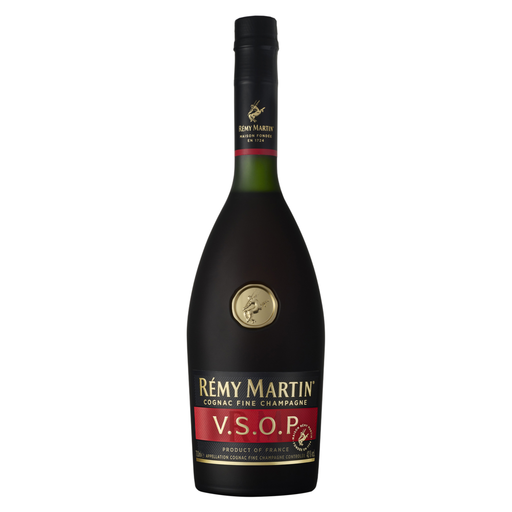
Why This Fits Their Persona: This 70cl Rémy Martin VSOP is made from Cognac Fine Champagne and is listed at 40% ABV, making it suitable for sipping, ice serves and cocktails.
The VSOP classification and Fine Champagne designation provide clearer buying information than vague descriptions about refinement.
70cl bottle; 40% ABV; Fine Champagne cognac; listed at 28 UK units per bottle.
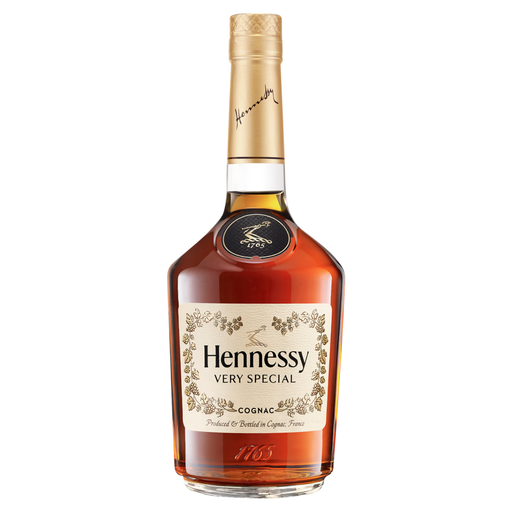
Why This Fits Their Persona: A 70cl VS bottle is practical for a home bar where a spirit may be used in long drinks, classic cocktails or occasional neat serves.
The clearly stated VS category helps set realistic expectations for mixing rather than paying for a bottle intended mainly for slow sipping.
70cl format; 40% ABV; listed for neat, ice, long-drink and cocktail use.
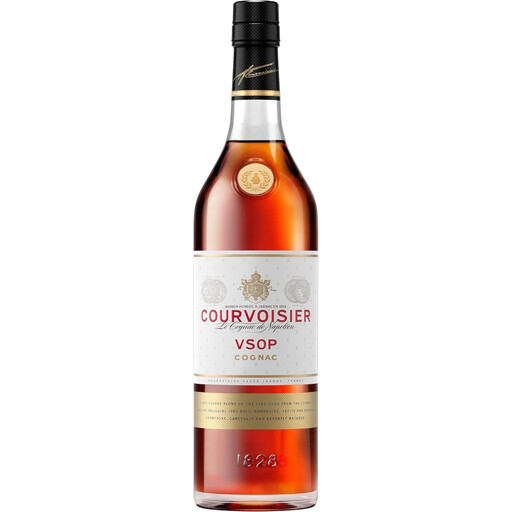
Why This Fits Their Persona: The 70cl VSOP format works for a home drinks cabinet, dinner hosting or a considered cognac gift where neat and mixed serves may both be wanted.
The VSOP designation gives a more useful indication of maturation than relying only on premium-looking packaging.
70cl bottle; 40% ABV; made in France; suitable for sipping or cocktails.
We have compiled a complete, real-time list of products that fully satisfy these strict selection criteria and UK safety regulations.
Store an opened bottle upright in a cool, dry place away from direct sunlight and heat. Keep the cap or cork tightly sealed. Unlike wine, cognac and brandy do not generally improve in the bottle after purchase, so buying a larger size only makes sense if you expect to use it.
For a straightforward serve, measure 25ml and enjoy neat, over ice or with a mixer. If you are preparing cocktails, measure carefully and account for the total alcohol content of the drink. A ready-to-drink brandy-flavoured cocktail is a separate product category and should be compared by ABV, sugar content and serving size rather than against traditional cognac.
No. Cognac is a geographically protected style of brandy produced in the Cognac region of France. Brandy is the wider category and may come from France or another country.
Both can work. VS cognac is commonly selected for highballs and mixed drinks because it is usually younger and fruit-forward. VSOP can be used in cocktails too, while also offering a more developed option for sipping. Check the individual product description and your preferred flavour profile.
A tightly sealed bottle stored upright and away from heat can remain usable for a considerable period. However, air exposure may gradually affect aroma and flavour. Keeping the bottle well sealed and using it within a reasonable period helps preserve its character.