Do not buy a 2-litre cola bottle as your main hydration plan for a 5K: the NHS recommends water for replacing fluid lost through physical activity, while the UK Sports Institute advises a food-first approach to eating. If you also want cola to share, regular versions contain labelled sugar; zero-sugar versions are a choice for cola flavour rather than carbohydrate fuel. Check caffeine and sweetener labelling against your needs, and treat the bottle as several servings.
Who is this choice for?
Runners planning what to drink
If you are considering cola instead of water for a 5K, keep the two purposes separate. The NHS recommends water to replace fluid lost through physical activity; cola can be an optional drink, not the main hydration plan.
People sharing cola around a run
A 2-litre bottle may be for several people before or after the event. Compare regular and zero-sugar labels by the amount you intend to pour, rather than treating the whole bottle as one serving.
Shoppers avoiding sugar or caffeine
A zero-sugar cola does not serve the same carbohydrate purpose as regular cola. If caffeine avoidance matters, check the exact variant: zero-sugar and caffeine-free are different label claims.
What should you check?
Decide whether you need fluid replacement, a drink containing carbohydrate, or simply cola to share; then compare the label and the serving size.
| Priority | What to check | Your needs |
|---|
| Hydration |
Plan water separately from cola. The NHS recommends water for replacing fluid lost through physical activity. |
I want a drink for fluid replacement after sweating, rather than relying on cola as my main drink. |
| Sugar and carbohydrate |
Compare the exact variant’s sugar per 100ml and per planned serving. Coca-Cola Original Taste lists 10.6g sugars per 100ml; Sainsbury’s Cola Zero lists less than 0.5g per 250ml. |
If I want carbohydrate in an optional drink, I need to choose a regular formulation deliberately. If I only want cola flavour, I can consider a zero-sugar one instead. |
| Caffeine and ingredients |
Check the exact bottle for caffeine, sweeteners and any phenylalanine-source warning. Sainsbury’s labels Pepsi Max No Caffeine No Sugar 2L as caffeine-free but also identifies sweeteners and a phenylalanine source. |
I want to know whether the formulation fits my caffeine preference and any ingredient restrictions before I buy it. |
| Serving size |
Read nutrition values for the amount you will pour. Tesco describes its Coca-Cola 2-litre bottle as eight 250ml glasses, with 27g sugars per glass. |
A family-size bottle is for sharing or several servings; I would decide how much to pour rather than drink from the bottle. |
What can go wrong?
-
Using cola as the hydration plan
Cola should not displace the water you plan to drink around a run. The NHS identifies water as the way to replace fluid lost through physical activity.
Plan water first; consider cola separately if you want it as an optional drink.
-
Expecting zero-sugar cola to provide carbohydrate
Zero-sugar formulations do not provide the labelled sugar contribution of regular cola. Sainsbury’s Cola Zero, for example, lists less than 0.5g sugar per 250ml.
Choose a zero-sugar variant for its flavour preference, not because you expect it to fuel the run.
-
Treating two litres as one serving
Tesco labels its Coca-Cola 2-litre bottle as eight 250ml glasses and lists 27g sugars per glass.
Decide on portions before opening the bottle, and follow its storage instructions for any remainder.
-
Assuming sugar-free means caffeine-free
Sugar and caffeine are separate label checks. A caffeine-free variant may still contain sweeteners; Sainsbury’s Pepsi Max No Caffeine No Sugar 2L listing also carries a phenylalanine-source warning.
Read the exact variant’s ingredients and warnings if caffeine avoidance or a dietary restriction affects your choice.
Brand and product-line references
Coca-Cola
Coca-Cola Original Taste provides a regular-cola reference when comparing labelled sugar in a shared bottle.
- The Coca-Cola Company lists 10.6g carbohydrate and 10.6g sugars per 100ml of Original Taste.
- Its ingredients list caffeine flavouring. Tesco describes its 2-litre bottle as eight 250ml glasses, not one serving.
Pepsi
Pepsi labels illustrate why the regular, zero-sugar and caffeine-free variants need separate checks.
- PepsiCo lists 4.5g sugars per 100ml of Pepsi Classic. Sainsbury’s labels Pepsi Max No Caffeine No Sugar 2L as caffeine-free and zero-sugar.
- Pepsi Classic lists caffeine flavouring. The caffeine-free Pepsi Max variant contains sweeteners and carries a phenylalanine-source warning.
Sainsbury's
Sainsbury’s Cola Zero 2L is an own-label example for shoppers comparing a zero-sugar cola with regular formulations.
- Sainsbury’s lists less than 0.5g sugar per 250ml glass and describes the bottle as eight servings.
- The listed ingredients include caffeine and sweeteners; this is not a caffeine-free choice.
Joybuy cola options
These are 2-litre cola multipacks for an optional shared drink around a 5K, not replacements for water. Check the formulation and pack size against what you intend to serve.
 No image available
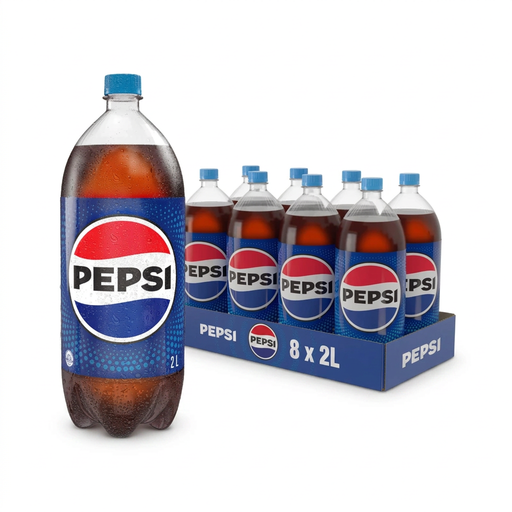
PEPSI Regular 8 × 2L
A regular-cola option if you deliberately want a drink containing sugar to share, rather than a zero-sugar cola or your main hydration drink.
The pack contains eight 2-litre bottles. Check the label of the bottles supplied for serving information and caffeine.
View on Joybuy
 No image available
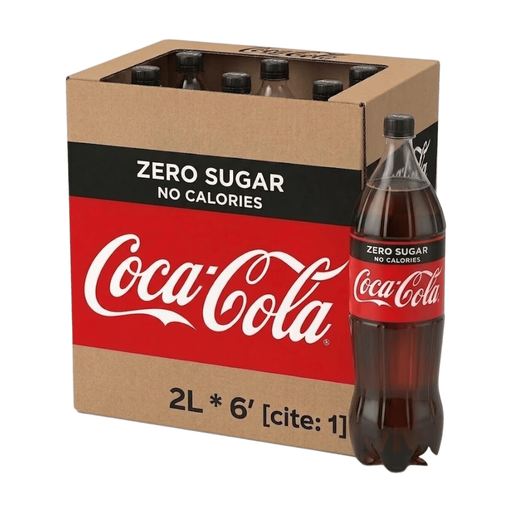
Coca-Cola Zero Sugar 2L × 6
A zero-sugar cola to share when you want cola flavour rather than carbohydrate from the drink. It is not a substitute for water after sweating.
The pack contains six 2-litre bottles. Check the exact bottle label for caffeine, sweeteners and any ingredient warnings.
View on Joybuy
 No image available
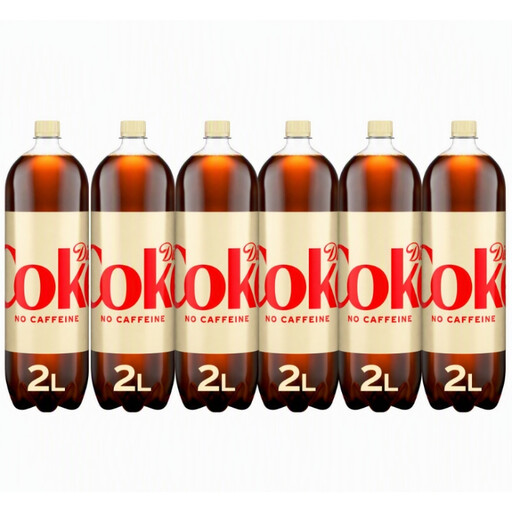
Diet Coke Caffeine Free 2L × 6
A six-bottle, 2-litre cola multipack for sharing, not a carbohydrate-fuelling or primary hydration choice.
If you need to avoid caffeine, confirm the exact packaging before buying: the caffeine-free title conflicts with accompanying product information about caffeine. Check the ingredient warnings too.
View on Joybuy
Questions about cola and a 5K
Can a 2-litre cola bottle replace water for a 5K?
No. The NHS recommends water to replace fluid lost through physical activity. If you want cola, treat it as an optional drink alongside—not instead of—your water plan.
Does zero-sugar cola provide carbohydrate fuel?
A zero-sugar cola is not a choice for the sugar contribution of regular cola. Sainsbury’s Cola Zero, for example, lists less than 0.5g sugar per 250ml; choose it for cola flavour rather than expecting it to fuel a 5K.
What if I want to avoid caffeine?
Check the exact variant rather than assuming a zero-sugar cola is caffeine-free. Sainsbury’s labels Pepsi Max No Caffeine No Sugar 2L as caffeine-free, whereas its Cola Zero listing includes caffeine; read the ingredients and warnings as well.
How many servings are in a 2-litre bottle?
The serving size depends on the label and how much you pour. Tesco describes its Coca-Cola 2-litre bottle as eight 250ml glasses and lists 27g sugars per glass, so compare nutrition information using your intended portion.
Is a caffeine-free cola also free of sweeteners?
Not necessarily. Sainsbury’s listing for Pepsi Max No Caffeine No Sugar 2L identifies sweeteners and a phenylalanine-source warning. Check both the ingredients and any warnings on the bottle you choose.


