People combining caffeine sources
If you also have coffee, an energy drink or a caffeinated pre-workout product, distinguish cola containing caffeine from an explicitly caffeine-free variant before combining them.


If you want cola before a workout, choose according to whether you want sugar or caffeine, but do not treat the drink as a substitute for a planned snack. A zero-sugar, caffeine-free variant avoids adding either; a caffeinated variant calls for a check of any other caffeine you plan to consume, while regular cola adds sugar as well as caffeine.
The useful distinction is whether you are choosing a fizzy drink, managing caffeine or looking for food before training.
If you also have coffee, an energy drink or a caffeinated pre-workout product, distinguish cola containing caffeine from an explicitly caffeine-free variant before combining them.
A zero-sugar cola can meet a preference for cola flavour without sugar. It is still a drink choice, not a replacement for a planned pre-workout snack.
Compare the sugar information per 100 ml and for the pack you intend to drink, rather than assuming regular cola provides everything you want from a snack.
Decide whether you want a drink or a snack, then compare the sugar, caffeine and ingredients of the cola you are considering.
| Priority | What to check | Your needs |
|---|---|---|
| Sugar | Compare sugars per 100 ml and the volume you intend to drink. Coca-Cola GB lists 10.6 g sugars per 100 ml for Original Taste; Pepsi UK lists 0 g for Pepsi Max and 4.5 g for regular Pepsi. | I want to know how much sugar comes with the cola I choose, or I would rather choose a zero-sugar variant. |
| Caffeine | Check whether the exact variant contains caffeine or is explicitly caffeine-free. If combining drinks or supplements, check the labelled caffeine amounts across them. | Coffee, an energy drink or a pre-workout product may already be part of my routine, so I do not want to add caffeine without checking. |
| Drink or snack | Decide whether cola is simply the drink you want or whether you need food and fluids before training. UK Sports Institute guidance favours a varied, food-first approach to training nutrition. | I am looking for something to have before exercise and do not want to mistake a can of cola for a complete snack. |
| Ingredients | Read the ingredients on the exact pack, particularly when choosing a sweetened zero-sugar variant or checking for a caffeine-free formulation. | The ingredient list matters to my choice, not just whether the front of the pack says zero sugar. |
Zero-sugar cola may provide the flavour you want, but it does not replace food before a session that calls for a planned snack. UK Sports Institute guidance takes a food-first approach to training nutrition.
Decide separately what you want to drink and whether you need to plan food before training.
Pepsi UK lists caffeine in Pepsi Max, and Coca-Cola GB lists caffeine flavouring in Original Taste. Either can add to caffeine from other products you use.
Check the caffeine amount on each relevant pack before combining products; choose an explicitly caffeine-free cola if you do not want to add caffeine.
Pepsi Max contains caffeine despite listing 0 g sugars per 100 ml. Pepsi Max No Caffeine and Coca-Cola Zero Sugar Caffeine Free are distinct caffeine-free variants, according to their manufacturers.
Check the full variant name and ingredients when avoiding caffeine is the reason for your choice.
Department for Education school-food guidance concerns food and drink provided in schools in England. Choosing a cola for yourself before a workout is a different setting.
If you are buying for a school, check the rules for that nation and institution rather than relying on personal-shopping advice.
Variant names matter more than the brand alone: regular, zero-sugar and caffeine-free colas can have different sugar and caffeine information.
Coca-Cola GB lists Original Taste alongside a Zero Sugar Caffeine Free variant.
Pepsi UK lists regular Pepsi, Pepsi Max and Pepsi Max No Caffeine as distinct choices.
Tesco Groceries lists own-label Classic, Diet, Xero and Caffeine Free Diet colas in its UK cola range.
UK specialist retailer American Sodas lists a Me & My RC Retro Royal Crown Cola 355 ml can and a 12-pack.
These multipacks represent three cola choices for this decision: zero sugar without caffeine, zero sugar with caffeine, and regular cola containing sugar and caffeine. None is a substitute for a planned snack.
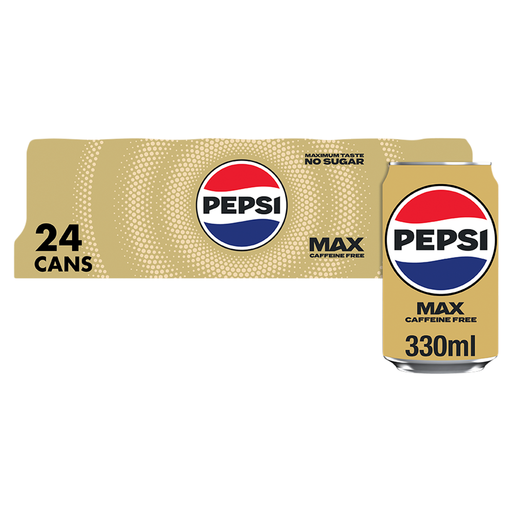 No image available
A cola option when you want to avoid adding caffeine before training. Pepsi UK describes the caffeine-free Pepsi Max variant as having no caffeine and lists 0 g sugars per 100 ml; it is a drink, not a complete snack.
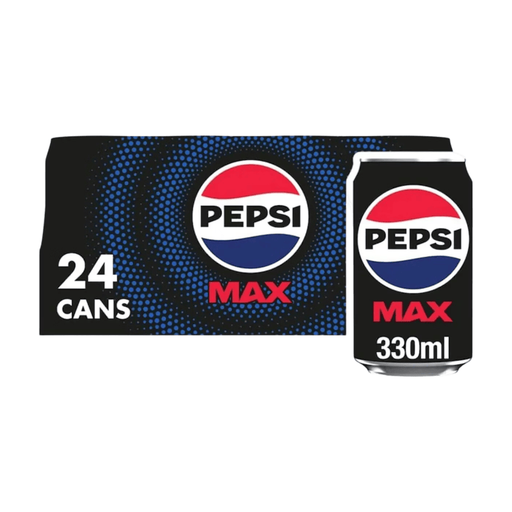 No image available
A zero-sugar cola choice if you are not avoiding caffeine. Pepsi UK lists 0 g sugars per 100 ml and caffeine in the flavourings; check labelled caffeine amounts before combining it with coffee, energy drinks or a pre-workout product.
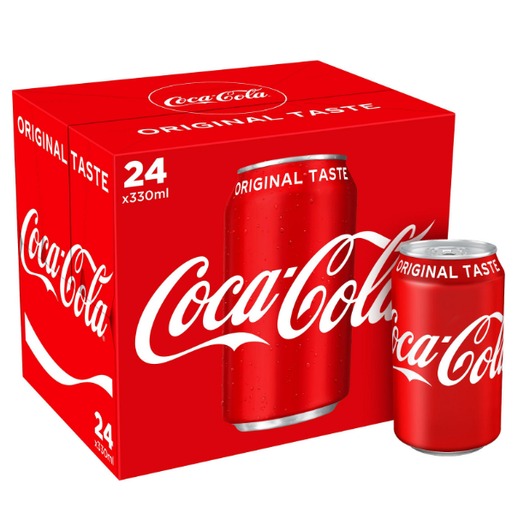 No image available
A regular-cola choice if you knowingly want its sugar contribution. Coca-Cola GB lists 10.6 g sugars per 100 ml and caffeine flavouring; the Joybuy listing gives 35 g sugars per 330 ml can. Check other caffeine sources, and do not treat the drink as a complete snack.
Treat cola as an optional drink, not as a complete pre-workout snack. If you are planning food around training, UK Sports Institute guidance favours a varied, food-first approach.
Choose according to whether you want the sugar in regular cola, not because either type is a complete fuelling plan. Coca-Cola GB lists 10.6 g sugars per 100 ml for Original Taste, while Pepsi UK lists 0 g for Pepsi Max; check caffeine separately for the variant you choose.
Check the labelled caffeine amounts of both products and any other caffeine you plan to have before combining them. If you cannot establish the amounts or do not want to add caffeine, choose an explicitly caffeine-free cola instead.
Look for an explicitly caffeine-free variant rather than assuming zero sugar means caffeine-free. Coca-Cola GB describes Coca-Cola Zero Sugar Caffeine Free as caffeine-free, and Pepsi UK describes Pepsi Max No Caffeine the same way.