Campers planning drinks for a group
Consider how many separate servings you need and what will happen to an opened bottle. Sainsbury’s instructs buyers to refrigerate its 2L colas after opening and use them within three days.


Choose the cola type by sugar and caffeine preference, then decide how much to pack. Regular cola suits a group that wants a sugared drink; zero-sugar cola may still contain caffeine, so choose a clearly labelled caffeine-free variant when that matters. Individual cans avoid opened-bottle leftovers, while a large bottle needs a realistic plan for refrigeration after opening.
Consider how many separate servings you need and what will happen to an opened bottle. Sainsbury’s instructs buyers to refrigerate its 2L colas after opening and use them within three days.
Compare the sugars per 100ml on the exact pack, then read its ingredients for sweeteners and caffeine. A zero-sugar name alone does not answer every ingredient question.
Look for a specifically labelled caffeine-free variant rather than assuming a diet or zero-sugar cola has no caffeine. This distinction matters when choosing a drink for an evening meal or for someone limiting caffeine.
Settle the drink choice first, then pick portions that suit the group and its storage arrangements.
| Priority | What to check | Your needs |
|---|---|---|
| Sugar and ingredients | Compare sugars per 100ml on the same basis. Coca-Cola Great Britain lists 10.6g per 100ml for Original Taste; Pepsi UK lists 0g per 100ml for Pepsi MAX. Check the exact pack for sweeteners and any phenylalanine-source statement. | I may want a regular sugared cola, or I may prefer a zero-sugar variant. The label lets me make that choice without assuming every regular or zero-sugar recipe is alike. |
| Caffeine | Read the variant name and ingredients separately from its sugar claim. Pepsi UK lists caffeine in Pepsi MAX and offers a distinct Pepsi MAX No Caffeine; Coca-Cola Great Britain identifies a separate Zero Sugar Caffeine Free variant. | For an evening drink, I might want a specifically labelled caffeine-free cola. Choosing zero sugar on its own would not settle that question. |
| Portions and storage | Match the can count or bottle volume to the group. Sainsbury’s says its 2L colas should be refrigerated after opening and used within three days. The Food Standards Agency advises keeping chilled food below 5°C and warns that a cool box may not keep food chilled for an extended period. | If we are unlikely to finish a shared bottle, separate cans avoid leaving it open at camp. I also need to plan chilling for perishable meal food rather than relying on drink storage arrangements to cover it. |
Pepsi UK lists 0g sugars per 100ml for Pepsi MAX, but its ingredients include caffeine.
If caffeine matters, check the exact variant and choose one explicitly labelled caffeine-free.
Sainsbury’s instructs buyers to refrigerate its 2L regular and zero colas after opening and use them within three days.
Choose a bottle when the group can finish it or refrigerate what remains; otherwise, consider individual cans.
An unfinished bottle adds a refrigeration task to the trip.
The Food Standards Agency advises storing chilled food below 5°C and cautions that a cool box is unlikely to keep food chilled for an extended period. That guidance concerns the food, not unopened cola.
Plan how perishable meal ingredients will stay chilled before allocating cooler space to drinks.
A pack’s size does not tell you its sugars per 100ml. Coca-Cola Great Britain, for example, lists 10.6g per 100ml for Original Taste.
Compare the nutrition labels of the particular regular colas you are considering, using the same per-100ml measure.
These examples help distinguish cola variants and label instructions; they are not a list of products available in the Joybuy selection below.
The UK range includes Original Taste and a separately labelled Coca-Cola Zero Sugar Caffeine Free variant.
Pepsi UK distinguishes Pepsi MAX from Pepsi MAX No Caffeine.
Its own-label 2L regular and zero colas provide examples of larger bottles for a shared meal.
RC Cola International describes a wider range of carbonated drinks, rather than one specific UK camping pack.
These are canned cola multipacks for separate servings at a camping meal. The selection includes cherry, diet and explicitly caffeine-free variants; check each pack if sugar, caffeine or sweeteners affect your choice.
 No image available
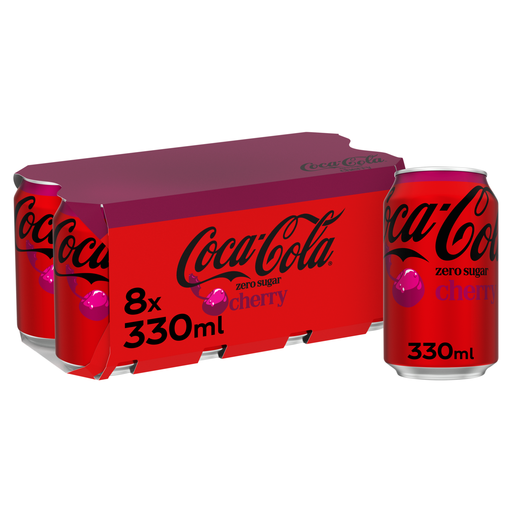
Eight separate cans offer portions for a group that wants the Zero Cherry variant. Check the current pack for its sugar declaration, caffeine and sweeteners before choosing it for particular drinkers.
 No image available
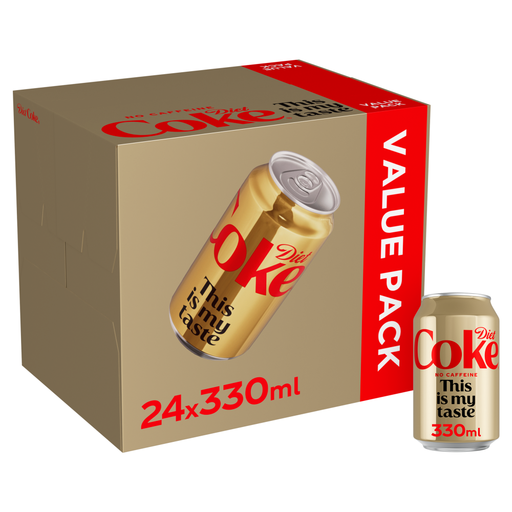
The explicitly named No Caffeine variant suits a group seeking separately portioned cans without caffeine. This is a 24-pack of 330ml cans; check the current pack for its sugar declaration and sweeteners.
 No image available
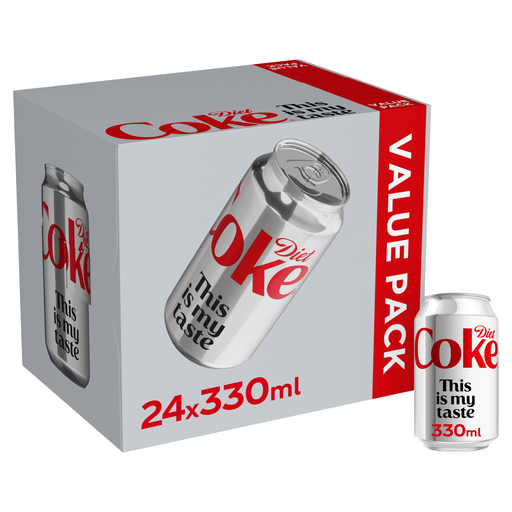
The 24 individual 330ml cans make it straightforward to serve a group without opening a large bottle. This is Diet Coke, not the separately named No Caffeine variant; check its current ingredients when caffeine or sweeteners matter.
 No image available
The explicitly caffeine-free variant comes as 24 separate 330ml cans for a shared meal. Check the current pack for its sugar declaration, sweeteners and other ingredients.
 No image available
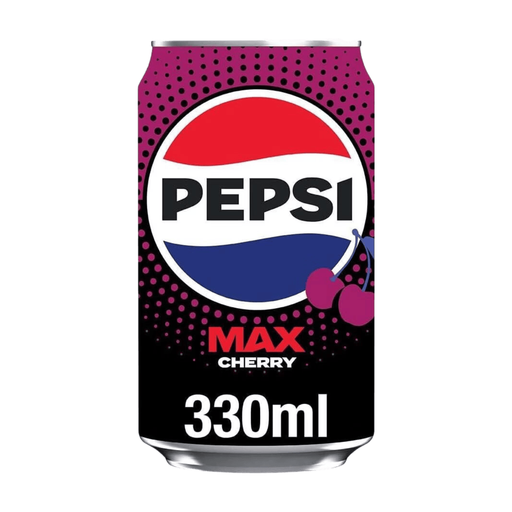
Eight individual 330ml cans provide a cherry-flavoured cola option without opening a shared bottle. This is not the separately named No Caffeine variant; read the current pack for caffeine, sugars and sweeteners.
No. Pepsi UK lists 0g sugars per 100ml for Pepsi MAX, but its ingredients include caffeine. If you want to avoid caffeine, choose a separately labelled variant such as Pepsi MAX No Caffeine or Coca-Cola Zero Sugar Caffeine Free and check the pack.
Cans suit separate servings when you do not want an opened bottle left over. A 2L bottle can suit a group able to finish it or refrigerate the remainder; Sainsbury’s instructs buyers to refrigerate its 2L colas after opening and use them within three days.
Plan the space needed for chilled meal food first. The Food Standards Agency advises keeping chilled food below 5°C and warns that a cool box is unlikely to keep food chilled for an extended period; this is food-storage guidance, not a claim that unopened cola needs the same treatment.
NHS guidance says not to have more than 200mg of caffeine a day during pregnancy and identifies cola as one possible source. Check whether the exact cola contains caffeine and account for caffeine from other foods and drinks as well; a clearly labelled caffeine-free variant is a different product choice.
Read the physical pack you will take, particularly its sugars per 100ml, ingredients, caffeine status and storage instructions. Product formulations can change, and an online description or a familiar variant name may not answer every question about that pack.