Runners testing a fuelling plan
If you are considering cola during a long training run, the useful questions are how much carbohydrate your measured serving contains and whether the drink suits you during exercise.


Regular cola can contribute carbohydrate if you measure the serving and have tried it during training. It should not stand in for a plan for fluids and electrolytes: NHS guidance favours water for replacing lost fluids, while an NHS exercise resource describes isotonic drinks as containing electrolytes. Zero-sugar cola is a flavour choice rather than carbohydrate fuel, and a caffeine-free claim needs checking on the exact bottle.
If you are considering cola during a long training run, the useful questions are how much carbohydrate your measured serving contains and whether the drink suits you during exercise.
If you want the flavour without using the drink for carbohydrate, check the exact zero-sugar or diet variant. If you also avoid caffeine, check for an explicit caffeine-free label.
A 2-litre bottle or multipack may be convenient to keep at home, but its size does not tell you what a poured serving contributes. Check the variant and nutrition label before buying it for a runner’s plan.
Consider it when: You want a measured carbohydrate contribution from a cola you have already tried during training.
Trade-off: It is not a substitute for planning fluids and electrolytes; check caffeine and your tolerance of a fizzy drink too.
Consider it when: You want cola flavour without relying on the drink for carbohydrate.
Trade-off: It contributes negligible carbohydrate, and a zero-sugar label does not by itself mean caffeine-free.
| Priority | What to check | Your needs |
|---|---|---|
| Carbohydrate per serving | Read carbohydrate per 100ml and measure the amount you intend to pour. Tesco lists 12g per 250ml for Pepsi Regular; ASDA lists 4.6g per 100ml and 12g per 250ml for ASDA Classic Cola. Coca-Cola GB lists 10.6g per 100ml for Coca-Cola Original Taste. | I want to know what my actual serving contributes, rather than treating all regular colas or a whole 2-litre bottle as equivalent. |
| Fluids and electrolytes | Plan fluids separately from any cola serving. The NHS recommends water for replacing fluids lost through physical activity; an NHS exercise resource describes isotonic drinks as containing electrolytes. | For a longer or hotter session, I do not want a sweet fizzy drink to be my entire drinking plan. |
| Caffeine and tolerance | Check the exact bottle’s ingredients and caffeine-free wording. ASDA lists 18mg caffeine per 250ml for its Classic Cola; Tesco describes Pepsi MAX No Caffeine No Sugar as caffeine-free. Try any proposed drink and serving during training. | I may prefer to avoid caffeine, or I may need to find out whether a fizzy drink suits me while running. |
| Regular or zero-sugar | Check the variant name alongside the carbohydrate line. Tesco lists 0.2g carbohydrate per 250ml for Pepsi MAX No Caffeine No Sugar; Sainsbury’s lists less than 0.5g per 250ml for its Diet Cola. | If the drink is meant to contribute carbohydrate, I need regular cola rather than a diet or zero-sugar variant. For cola flavour away from fuelling, I may choose differently. |
A 2-litre diet or zero-sugar cola can look like a regular-cola purchase but contributes negligible carbohydrate per serving.
For a carbohydrate-fuelling use, check the exact variant and calculate from the carbohydrate value for your planned pour.
Carbohydrate in regular cola does not make it interchangeable with a plan for replacing fluids and considering electrolytes during exercise.
If you use cola, make it a measured, tried component of your wider plan rather than relying on the bottle alone.
Coca-Cola GB lists 10.6g carbohydrate per 100ml for Original Taste, while ASDA lists 4.6g per 100ml for Classic Cola. An equal-sized pour therefore does not contribute the same amount.
Read the current bottle’s nutrition label and recalculate the serving when changing products.
Sugar and caffeine are separate label details. Tesco explicitly describes Pepsi MAX No Caffeine No Sugar as caffeine-free, but that wording cannot be assumed for every diet or zero-sugar cola.
If avoiding caffeine matters to you, check the exact bottle’s name, ingredients and warnings.
These label examples help distinguish cola types and serving values; they do not imply that every product in a brand’s range has the same formulation.
Coca-Cola GB lists 10.6g carbohydrate and sugars per 100ml for Coca-Cola Original Taste.
Tesco lists both Pepsi Regular 2 Litre and Pepsi MAX No Caffeine No Sugar Cola Bottle 2L.
Tesco lists its Classic Cola in a 2-litre bottle and describes it as containing sugar, sweeteners and caffeine.
Sainsbury’s lists 2-litre regular, Zero and Diet Cola variants.
ASDA lists Classic Cola in a 2-litre bottle, with 4.6g carbohydrate per 100ml and 12g per 250ml.
These multipacks cover a regular cola that could contribute carbohydrate and two diet or zero-sugar choices for occasions when cola is not part of fuelling. Check the individual bottle before planning a serving or relying on a caffeine-free label.
 No image available
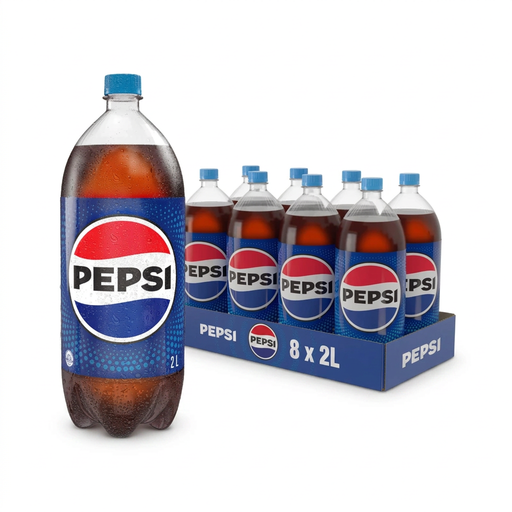
A regular-cola multipack to consider if you have already tried cola during training and want a measured carbohydrate contribution. It contains eight 2-litre bottles and lists caffeine. Check the current bottle’s carbohydrate values before calculating a precise serving; do not use cola as your entire fluids and electrolytes plan.
 No image available
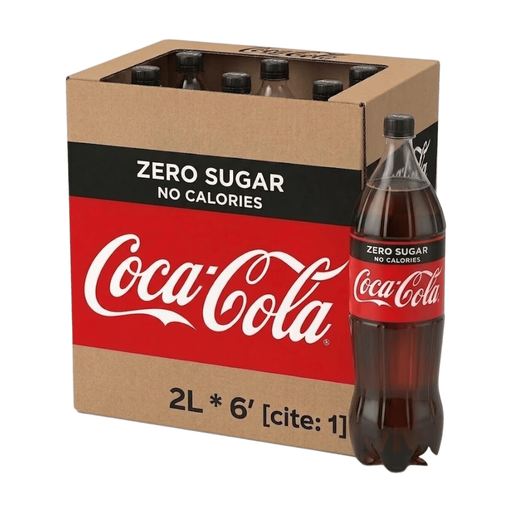
A six-bottle choice for cola flavour outside a carbohydrate-fuelling plan. Its nutrition information lists 0g carbohydrate and sugars per 100ml, and its ingredients list caffeine. It does not provide carbohydrate for a planned fuelling serving.
 No image available
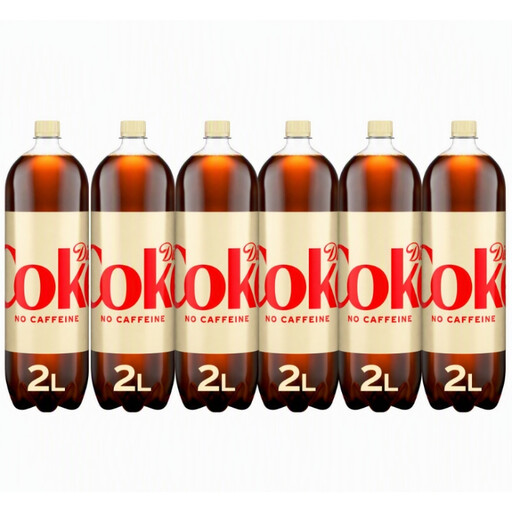
A six-bottle diet-cola multipack for non-fuelling occasions; its nutrition information lists 0g carbohydrate and sugars per 100ml. If you need to avoid caffeine, check the current bottle’s ingredients and warnings before buying, as the caffeine-free wording and a caffeine warning conflict.
No: regular cola can contribute carbohydrate in a measured serving, but that does not make it a complete fluids and electrolytes plan. The NHS recommends water for replacing fluids lost through physical activity, and an NHS exercise resource describes isotonic drinks as containing electrolytes.
It depends on the product and glass size. Tesco lists 12g per 250ml for Pepsi Regular, and ASDA lists 12g per 250ml for Classic Cola; Coca-Cola GB instead gives 10.6g per 100ml for Original Taste. Measure your pour and use the current bottle’s label for your calculation.
The listed examples provide negligible carbohydrate: Tesco gives 0.2g per 250ml for Pepsi MAX No Caffeine No Sugar, while Sainsbury’s gives less than 0.5g per 250ml for Diet Cola. Choose them for cola flavour rather than a planned carbohydrate contribution.
It depends on the variant, so check the exact bottle. Tesco explicitly describes Pepsi MAX No Caffeine No Sugar as caffeine-free; a zero-sugar or diet name alone does not establish caffeine status.
Try your proposed drink, serving and timing during training instead. UK Sports Institute running advice notes that what works for one runner may not work for another, so a familiar plan is more useful than introducing a new drink on race day.