What should you check?
Decide whether the cola is meant to contribute carbohydrate or simply provide a preferred flavour, then check the serving, caffeine and how the drink feels during a run.
| Priority | What to check | Your needs |
|---|
| Carbohydrate |
Read carbohydrate per serving on the exact pack. World Athletics lists 30–60 g per hour for endurance events lasting 1–2.5 hours and up to 90 g per hour for longer events; a cola serving is only one possible part of a plan. |
If I intend to use cola as fuel, I need to know what the serving contributes alongside my other drinks and food. |
| Fluid plan |
Consider what you will drink as well as what you will eat. World Athletics says athletes’ fluid needs vary; a can of cola does not define an individual fluid plan. |
For a long run, I want a practised way to carry and consume both fluid and carbohydrate. |
| Carbonation |
Try the intended serving and timing in training. The NHS notes that fizzy drinks can cause gas and bloating. |
Fizzy drinks sometimes leave me uncomfortable, so I do not want my first trial to be during an important run. |
| Caffeine |
Check whether the exact variant contains caffeine and account for other sources. World Athletics advises testing caffeine use in training before competition. |
I may prefer a caffeine-free cola, or I may need to know how a caffeinated drink fits a plan I have already practised. |
| Variant and label |
Match the product name, serving size, carbohydrate, sugars and ingredient statements to the physical pack. Pepsi UK lists 15 g carbohydrate per 330 ml of Pepsi Classic, while a Joybuy Pepsi Regular listing states 34 g per 330 ml. |
Before counting a drink towards fuelling, I want the figures for the version I will actually consume. |
Cola options on Joybuy
These options cover a measured regular-cola serving and two zero-sugar choices, one of them caffeine-free. Choose according to whether you intend to count carbohydrate towards fuelling or simply want cola flavour around training.
 No image available
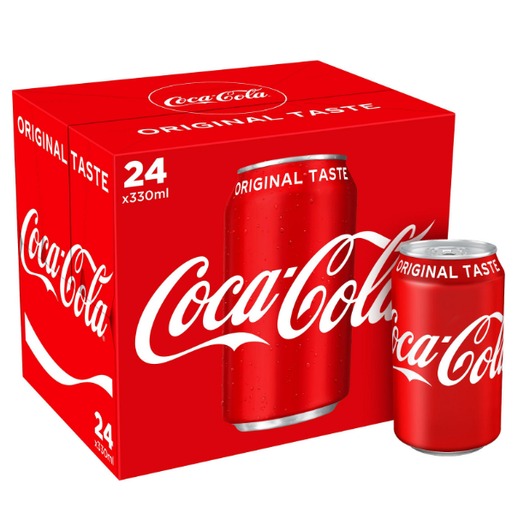
Coca-Cola Original Taste 24 × 330 ml
For a planned regular-cola serving, Joybuy lists 35 g carbohydrate per 330 ml can. Count it only within a separate carbohydrate-and-fluid plan. This fizzy cola contains caffeine; check the pack if its amount matters to your plan, and trial the drink during training.
View on Joybuy
 No image available
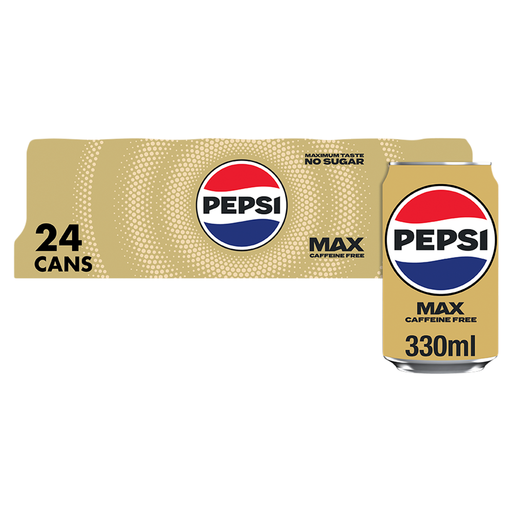
Pepsi Max Caffeine Free 24 × 330 ml
This caffeine-free, zero-sugar cola is a flavour choice, not a carbohydrate-fuelling option. Its stated values are 0.2 g carbohydrate and 0 g sugars per 330 ml. It contains sweeteners and a source of phenylalanine; check the pack, and test how you tolerate the carbonation.
View on Joybuy
 No image available
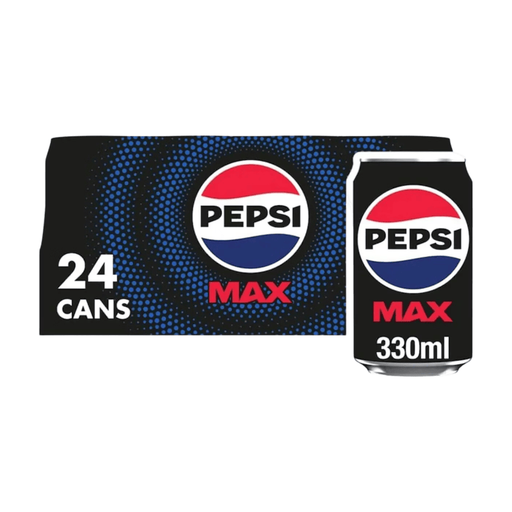
Pepsi Max 24 × 330 ml
For cola flavour outside a carbohydrate-fuelling plan, this variant lists 0 g carbohydrate and 0 g sugars per 330 ml. It contains caffeine and sweeteners, including a source of phenylalanine. Check the pack if caffeine matters to your plan, and trial the fizzy drink in training.
View on Joybuy
Common questions
Can regular cola replace a marathon sports drink?
Do not assume that regular cola alone covers both carbohydrate and fluid needs. It can contribute a labelled amount of carbohydrate to a practised plan. World Athletics lists 30–60 g carbohydrate per hour for endurance events lasting 1–2.5 hours and up to 90 g per hour for longer events; fluid needs vary between athletes.
Does zero-sugar cola count as marathon fuel?
Not as a meaningful source of carbohydrate. Pepsi UK lists 0 g carbohydrate per 330 ml of Pepsi Max and 0.2 g per 330 ml of Pepsi Max Caffeine-Free. Choose these for a cola preference, not to meet a carbohydrate target.
Should I have caffeinated cola before a long run?
Use it only if caffeine fits a plan you have tested in training. World Athletics advises practising caffeine use before competition. Check the exact cola and account for caffeine from other drinks rather than estimating an amount from the variant name.
Could fizzy cola cause discomfort while running?
It could: the NHS identifies fizzy drinks as a possible cause of gas and bloating. Test the intended serving and timing during ordinary training. If carbonation causes discomfort, consider non-carbonated fuel and fluid for key runs.
Why do Pepsi carbohydrate figures differ between listings?
Do not transfer a figure between apparently similar products. Pepsi UK lists 15 g carbohydrate per 330 ml of Pepsi Classic, while a Joybuy Pepsi Regular listing states 34 g per 330 ml. Read the nutrition panel on the pack you will consume before adding it to your fuel plan.


