What should you check before buying?
Start with carbohydrate per can, then check caffeine and whether a fizzy drink suits how you plan to use it. Keep water and electrolytes in the ride plan separately.
| Priority | What to check | Your needs |
|---|
| Carbohydrate per can |
Compare carbohydrate and sugars for the exact can size and recipe. Joybuy lists 35g sugars per 330ml Coca-Cola Original Taste can; Pepsi UK lists 15g per 330ml Pepsi Classic can, and Tesco Groceries lists 14.5g per 330ml Tesco Classic Cola can. Check the pack rather than applying another product’s figure. |
For a longer or harder ride, I want to know what one can contributes to my planned carbohydrate intake. |
| Zero-sugar choice |
Read both the sugars and carbohydrate lines. Pepsi UK lists 0g of each per 330ml Pepsi Max can; its caffeine-free Max has 0g sugars and 0.2g carbohydrate per 330ml. |
If my ride fuel comes from food or another product, I may want cola flavour without treating the drink as a carbohydrate source. |
| Caffeine |
Check whether the exact variant contains caffeine and account for other sources. Coca-Cola GB states that a 330ml Coke can contains 34mg; Pepsi Max contains caffeine, while Pepsi Max Caffeine-Free is labelled caffeine-free. |
I want to avoid adding caffeine on a later ride, or keep track of it alongside coffee and caffeinated gels. |
| Fizz and carrying |
Try the chosen carbonated drink during training before relying on it at an event. Consider whether a 330ml can is practical to carry, open and finish on your route. |
I would rather establish how a fizzy can fits my ride before buying a multipack for an event. |
| Regular use |
Distinguish deliberate ride fuelling from repeatedly drinking sugary cola for hydration. The NHS gives a general adult limit of 30g free sugars a day; UK government oral-health guidance also identifies sugar-containing drinks as relevant to dental caries. |
Outside a planned fuelling use, I want water to cover my ordinary hydration needs. |
Relevant cola brands
Compare individual recipes rather than treating a brand name as a guide to carbohydrate or caffeine content.
Coca-Cola
Original Taste is a regular-cola option for a measured carbohydrate contribution; Zero Sugar serves a different, non-fuelling purpose.
- Joybuy lists 35g sugars per 330ml Original Taste can, and Coca-Cola GB states that a 330ml Coke can contains 34mg caffeine.
- Original Taste does not replace separate fluid and electrolyte planning. Check the exact variant rather than assuming Zero Sugar has the same carbohydrate content.
Pepsi
The listed Pepsi recipes cover regular, zero-sugar caffeinated and zero-sugar caffeine-free choices.
- Pepsi UK lists 15g sugars per 330ml Pepsi Classic can and 0g sugars per 330ml Pepsi Max can.
- Pepsi Max Caffeine-Free is a different variant from standard Pepsi Max. Check the delivered regular-cola pack’s nutrition panel before using its per-can figure in a fuelling plan.
Tesco
Tesco Classic Cola is an own-label regular-cola reference for comparing carbohydrate per can.
- Tesco Groceries lists its 8 x 330ml Classic Cola with 14.5g sugars and 59 kcal per can.
- The listed recipe contains caffeine, sugar and sweeteners. Check the current pack label when comparing it with another cola.
Cola multipacks on Joybuy
These 24 x 330ml can packs include regular cola for a planned carbohydrate contribution and zero-sugar choices for cola flavour without ride fuel, including a caffeine-free variant.
 No image available
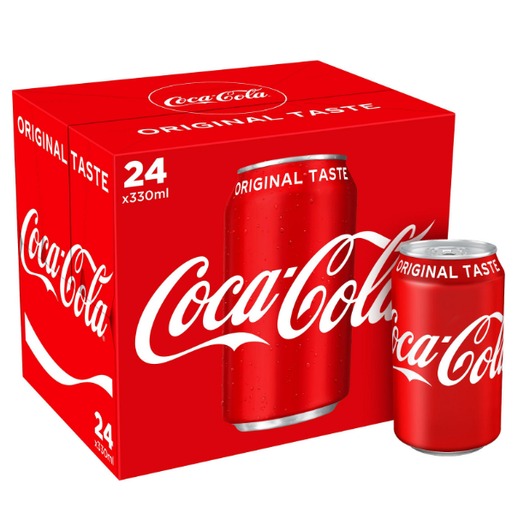
Coca-Cola Original Taste 24 x 330ml
For a planned carbohydrate contribution during a longer or harder ride. Joybuy lists 35g carbohydrate and sugars per 330ml can; Coca-Cola GB states that a 330ml Coke can contains 34mg caffeine. Keep water and electrolytes in a separate ride plan.
View on Joybuy
 No image available
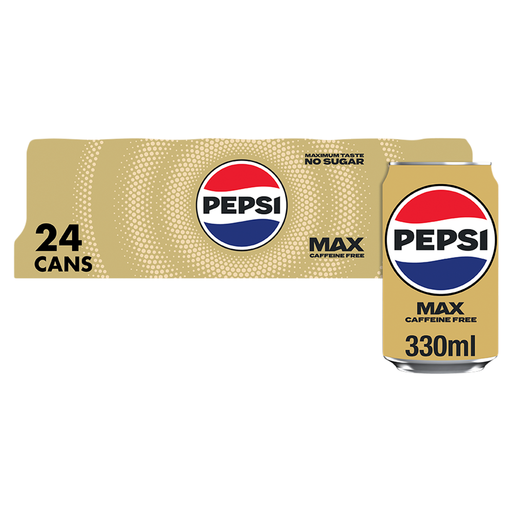
Pepsi Max Caffeine Free 24 x 330ml
For cola flavour when you want to avoid caffeine, not for carbohydrate fuelling. Pepsi UK lists 0g sugars and 0.2g carbohydrate per 330ml can for this caffeine-free variant. Check the pack ingredients if sweeteners are relevant to your choice.
View on Joybuy
 No image available
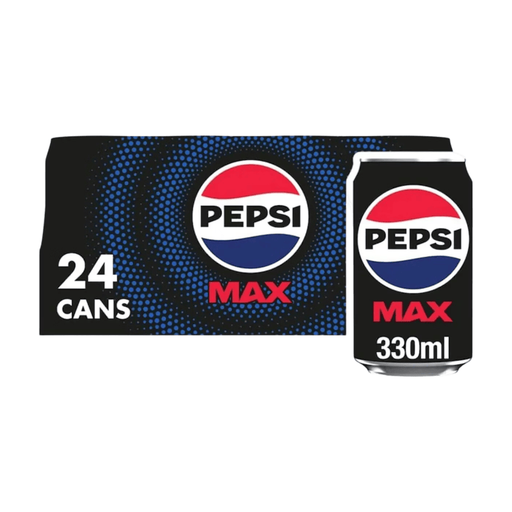
Pepsi Max 24 x 330ml
For cola flavour without carbohydrate from the drink when caffeine is acceptable. Pepsi UK lists 0g carbohydrate and 0g sugars per 330ml can; its ingredients include caffeine. Plan ride fuel separately if you need it.
View on Joybuy
 No image available
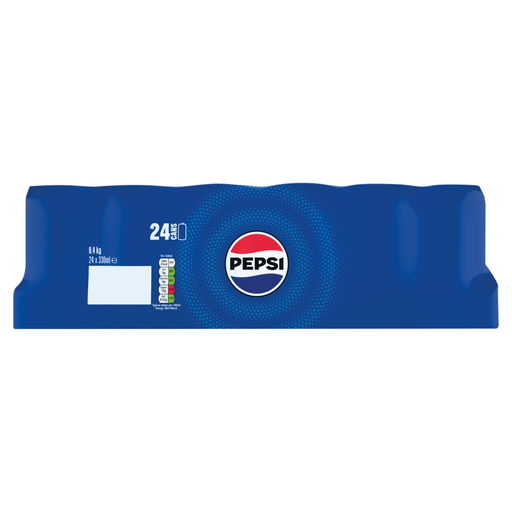
Pepsi Regular Cola 24 x 330ml
A sugar-containing regular cola to consider for a planned ride contribution. Check carbohydrate and sugars per can on the exact pack before calculating that contribution; do not assume another Pepsi listing describes this pack’s recipe. It contains caffeine and does not replace separate water and electrolyte planning.
View on Joybuy
Questions about cola and cycling
Can regular cola replace a sports drink on a long cycle ride?
No: regular cola can contribute carbohydrate, but it does not cover the whole fluid and electrolyte plan. British Cycling treats carbohydrate, hydration and electrolytes as separate parts of prolonged-ride nutrition. Check the exact can’s carbohydrate content and plan water and electrolytes for your ride separately.
Does zero-sugar cola provide cycling fuel?
Not a meaningful amount of carbohydrate. Pepsi UK lists Pepsi Max at 0g carbohydrate and 0g sugars per 330ml can. It may suit someone who wants cola flavour while getting planned ride carbohydrate elsewhere.
Will fizzy cola necessarily upset my stomach while cycling?
Not necessarily, but a study cannot establish your individual tolerance. In a 1992 International Journal of Sport Nutrition study involving eight male cyclists, carbonation did not significantly change perceived stomach comfort overall during 120-minute trials. Try your chosen drink during training before relying on it at an event.
How do I account for caffeine in cola cans?
Count cola alongside other caffeine sources, including coffee and caffeinated ride products. Coca-Cola GB states that a 330ml Coke can contains 34mg caffeine. If you want to avoid caffeine, check that the exact multipack says caffeine-free; zero-sugar Pepsi Max and Pepsi Max Caffeine-Free are different variants.
What should I read on a cola multipack before buying it for rides?
Check can size, carbohydrate and sugars per can, caffeine status and the ingredients on the exact variant. Those details tell you whether the can contributes to your planned ride carbohydrate and whether it fits your caffeine preference; pack count alone cannot answer either question.


