
24/7 Customer Support

Free returns

Same-day & Next-day Delivery

Quality Guaranteed

Unlock Your Welcome Offers: FREE Delivery | Up to 80% OFF | Free 30-day JoyPlus trial
Download the APP
Buying cola multipacks can seem straightforward, but pack size, sweetener choice and storage dates can significantly affect whether your purchase suits your household. A family stocking the fridge for weekday meals has different needs from someone organising a barbecue or party.
Before choosing between Coca-Cola cans, Pepsi cans, sugar-free cola or flavoured options, check the details behind the front-of-pack marketing.
A larger box may offer more cans, but it also needs more cupboard or garage space and may be inconvenient if your household drinks cola occasionally. A 24-pack of 330ml cola cans provides 7.92 litres in total, while an 8-pack contains 2.64 litres. Compare the total volume with your expected use rather than choosing solely by the number printed on the box.
For smaller households, an 8- or 12-pack can help avoid storing more drinks than you need. For parties, workplaces or regular family use, 18- and 24-can formats may reduce the need for frequent reordering.
Sugar-free cola products are not all formulated in the same way. Diet Coke, Coke Zero Sugar and Pepsi MAX use sweeteners, but their flavour profiles and ingredient combinations differ. Some products also contain caffeine, so check the ingredients rather than assuming a low-calorie drink is caffeine-free.
Products containing aspartame carry a source-of-phenylalanine notice. Anyone with a relevant dietary requirement should read the packaging carefully before purchase. Product labels can change, so the information on the delivered can or outer packaging should take priority.
Cans should be stored in a cool, dry place away from direct sunlight and extreme temperatures. Bulky bulk soft drinks purchases are sometimes kept in sheds, conservatories or vehicles, where heat can affect carbonation and taste.
Check the best-before marking on arrival and avoid cans that are leaking, badly dented or swollen. Cola is ready to drink, but it should generally be chilled before serving. Once opened, consume it promptly to retain its fizz.
The standard UK single-serve format in this selection is 330ml, which is convenient for lunch, meals and gatherings. Smaller 250ml cans, such as the Coca-Cola Classic 4 x 250ml format, may suit people who prefer a smaller serving.
Calculate total volume when comparing pack sizes:
This makes it easier to compare fizzy drinks multipacks for a party, regular household use or workplace refreshments.
Regular Coca-Cola Original Taste contains sugar, with listed nutrition of 42kcal and 10.6g sugar per 100ml. A 330ml can therefore contains 139kcal and 35g sugar according to the supplied product information.
By comparison, Coca-Cola Zero Sugar, Diet Coke and Pepsi MAX list zero sugar and approximately 0.4 to 1 calorie per 100ml, depending on the product. These drinks use sweeteners and may still contain caffeine. Check the nutrition panel, ingredient list and allergen information instead of relying on colour coding or the words “light” and “zero”.
Most standard cola options in this guide contain caffeine. For evening occasions or households specifically avoiding caffeine, caffeine-free cola is a separate category that should be selected deliberately.
Also check suitability for your household. Several listed products are suitable for vegetarians and vegans, while Karma Cola contains barley malt extract and therefore includes cereals containing gluten. Cans are pressurised containers, so handle them carefully and follow the packaging instructions for recycling.

Why This Fits Their Persona: A 24-can format gives regular cola drinkers a substantial supply for meals, film nights and family visits. It contains zero sugar and lists 1 calorie per 330ml can.
The pack clearly states its 24 x 330ml quantity, making the total supply easy to calculate. The label also identifies sweeteners and caffeine.
24 standard cans; zero sugar; suitable for vegetarians; cans are listed as 100% recyclable.

Why This Fits Their Persona: This regular cola multipack suits shoppers who prefer a familiar full-sugar cola with standard-sized cans for serving alongside meals and social occasions.
The 24 x 330ml format is clearly specified, while the nutrition panel makes the sugar and calorie content visible before purchase.
24 x 330ml cans; 139kcal and 35g sugar per can as listed; suitable for vegetarians and vegans.
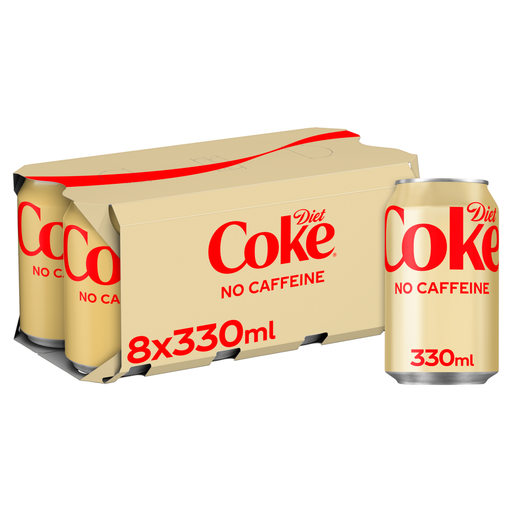
Why This Fits Their Persona: This option is suited to shoppers specifically looking for caffeine-free cola for evening meals, film nights or households that prefer to avoid caffeine.
Caffeine-free status is stated in the product name, reducing the risk of selecting a standard cola containing caffeine.
8 x 330ml cans; zero sugar and zero listed caffeine; includes a source-of-phenylalanine notice.
We have compiled a complete, real-time list of products that fully satisfy these strict selection criteria and UK safety regulations.
Allow one 330ml can per guest as a starting point, then adjust for the event length, other drinks and whether guests are likely to drink cola with meals. A 24-pack provides 24 individual servings, while a 2 x 18 pack provides 36. Keep additional drinks chilled where possible and store unopened cans away from heat.
Cola cans normally carry a best-before date rather than an immediate safety expiry date. Quality, carbonation and flavour may decline after that date. Store cans correctly, inspect them for damage and follow the date and storage information printed on the packaging.
No. Many sugar-free options, including Diet Coke, Coke Zero Sugar and Pepsi MAX, contain caffeine. Choose a product specifically labelled caffeine-free and check the ingredients list if caffeine avoidance is important.