Buyers stocking a shared snack area
A kitchen or meeting room serving different cola preferences needs a way to offer regular and zero-sugar choices without assuming one drink suits everyone.


For a shared office snack area, individually portioned zero-sugar cola is a practical starting point: the cited Coca-Cola Zero Sugar and Pepsi MAX cans list 0g sugars per 330ml, but both contain caffeine. Add a clearly labelled caffeine-free variant if colleagues need one, and offer regular cola when it is a requested preference. A sharing bottle makes more sense where cups, refrigeration and prompt use after opening are manageable.
A kitchen or meeting room serving different cola preferences needs a way to offer regular and zero-sugar choices without assuming one drink suits everyone.
When colleagues avoid caffeine, look for a variant explicitly labelled caffeine-free. Standard zero-sugar Coca-Cola and Pepsi MAX products cited here contain caffeine.
Individual cans suit self-service; a sharing bottle needs cups and a plan for refrigeration and use after opening.
Decide which sugar and caffeine options to offer, then choose a pack format that works for the way drinks are served.
Choose when: You want individually portioned cola without the sugar listed for regular cola; the cited Coca-Cola Zero Sugar and Pepsi MAX cans list 0g sugars per 330ml.
Bear in mind: These standard variants contain caffeine and sweeteners, so they do not meet a caffeine-free requirement.
Choose when: Colleagues want a cola-style drink while avoiding both sugar and caffeine; look for an explicitly named caffeine-free variant.
Bear in mind: Caffeine-free does not mean free of sweeteners. Check the exact variant’s ingredient and phenylalanine statements.
Choose when: Regular cola is a requested taste preference and you can offer it alongside another option.
Bear in mind: Coca-Cola GB lists 10.6g sugars per 100ml for Coca-Cola Original Taste; the NHS advises cutting down on sugary fizzy drinks.
| Priority | What to check | Your needs |
|---|---|---|
| Sugar | Compare sugars on the label using the same measure. Coca-Cola GB lists 10.6g per 100ml for Original Taste; the cited zero-sugar Coca-Cola and Pepsi cans list 0g per 330ml. | I want a zero-sugar cola available alongside regular cola, rather than making the sugar-sweetened drink the only choice. |
| Caffeine | Check the exact variant name and ingredients. Standard Coca-Cola Zero Sugar and Pepsi MAX contain caffeine; separately named caffeine-free versions are available. | Some colleagues want cola without caffeine, so a zero-sugar label alone will not settle the choice. |
| Serving format | Check can volume or suggested bottle servings, and whether cups and refrigeration are available. ASDA lists eight suggested 250ml servings for its 2-litre Cola Zero bottle and advises refrigeration after opening. | For self-service, I would rather put out individual cans; for a staffed refreshment table, we can serve from a bottle and manage what remains. |
| Ingredients | Read the current pack’s sweetener and phenylalanine statements. The cited Pepsi MAX and Coca-Cola Zero Sugar labels include a phenylalanine statement. | I need colleagues to be able to check the label for ingredients relevant to them, rather than assuming every variant has the same formulation. |
The standard zero-sugar Coca-Cola and Pepsi MAX variants cited here contain caffeine, so they do not cover a caffeine-free preference.
Choose a product explicitly labelled caffeine-free when that distinction matters, and check the exact pack.
Coca-Cola GB lists 10.6g sugars per 100ml for Original Taste, while the NHS advises cutting down on sugary fizzy drinks.
If regular cola is requested, consider offering a zero-sugar alternative alongside it and compare the labels using the same serving measure.
A bottle needs cups and somewhere to keep it after opening. ASDA advises refrigerating its 2-litre Cola Zero bottle after opening and using it within 3 days.
Use bottles where drinks can be served and finished within the labelled period; choose cans when individually portioned self-service is more practical.
Cups, fridge space and handling an opened bottle add work to a shared refreshment area.
The cited zero-sugar colas use sweeteners, and several cited labels state that the drink contains a source of phenylalanine. A different flavour or variant should not be assumed to have identical ingredients.
Keep the current pack label available for colleagues to check, especially when ordering several variants.
These ranges illustrate different cola choices; a brand name alone does not establish the ingredients or caffeine content of a particular pack.
Coca-Cola GB lists Original Taste, Zero Sugar and a separately named Zero Sugar Zero Caffeine variant, giving an office distinct regular, zero-sugar and caffeine-free choices.
Pepsi MAX and the separately named Pepsi Max Caffeine Free offer two different caffeine choices within the zero-sugar range.
ASDA Cola Zero is an own-label 2-litre sharing-bottle option for an office that can serve and store an opened bottle.
Tesco’s diet and sugar-free cola category includes named own-label options such as Tesco Diet Cola and Tesco Xero Cola in 2-litre bottles.
These are can multipacks for individually served office cola, including caffeinated choices and one explicitly caffeine-free choice. For a sharing-bottle setup, use the serving and storage checks above when comparing bottle labels.
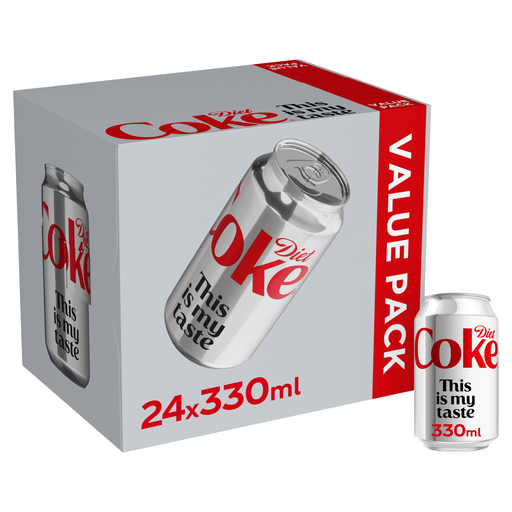 No image available
A 24-can pack for individually served office drinks. This is a caffeinated option; check the pack’s sweetener and phenylalanine statements where ingredients matter to colleagues.
 No image available
An individually portioned cola option when colleagues want to avoid caffeine; Pepsi identifies this variant as zero sugar. Check its sweetener and phenylalanine statements on the pack.
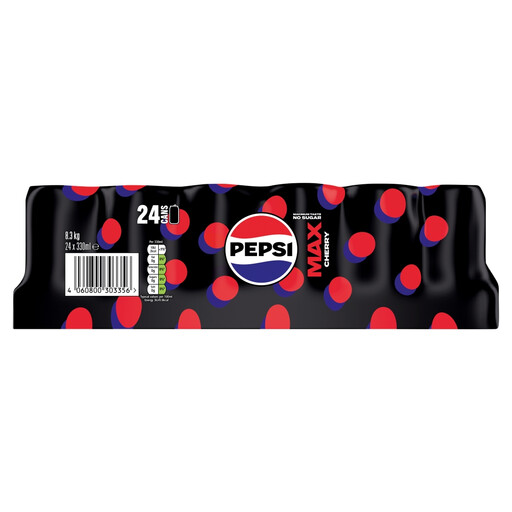 No image available
Cherry-flavoured cola in a 24-can pack for individual servings, rather than the standard Pepsi MAX flavour. This is a caffeinated variant; check its sweetener and phenylalanine statements on the pack.
 No image available
A 24-can zero-sugar option for individually served office drinks. The cited Joybuy product information lists 0g sugars per 330ml; this standard variant contains caffeine, and its sweetener and phenylalanine statements remain worth checking.
 No image available
A zero-sugar, caffeinated cola multipack for office self-service. Confirm the can volume before ordering: the listing title says 24 × 330ml, but its accompanying text says 24 × 550ml. Check the pack’s sweetener and phenylalanine statements as well.
Zero-sugar cola is a sensible starting point for routine availability if you also account for caffeine and ingredient preferences. The cited Coca-Cola Zero Sugar and Pepsi MAX cans list 0g sugars per 330ml, whereas Coca-Cola GB lists 10.6g sugars per 100ml for Original Taste; the NHS advises cutting down on sugary fizzy drinks. Regular cola can still be offered when colleagues request it.
No. The cited standard Coca-Cola Zero Sugar and Pepsi MAX products contain caffeine. If colleagues need to avoid it, choose a variant explicitly labelled caffeine-free, such as Coca-Cola Zero Sugar Zero Caffeine or Pepsi Max Caffeine Free.
Keep the current pack label available so colleagues can check sweeteners and any phenylalanine statement for the exact variant. The cited Pepsi MAX and Coca-Cola Zero Sugar labels contain such statements; do not assume another flavour or pack has identical ingredients.
A sharing bottle works where cups, refrigeration and use after opening can be managed. ASDA suggests eight 250ml servings for its 2-litre Cola Zero bottle and advises keeping it refrigerated after opening and using it within 3 days.