
24/7 Customer Support

Free returns

Same-day & Next-day Delivery

Quality Guaranteed

Unlock Your Welcome Offers: FREE Delivery | Up to 80% OFF | Free 30-day JoyPlus trial
Download the APP
Buying cola soft drinks multipacks can seem straightforward, but pack size, sugar content and caffeine levels can vary considerably. A low shelf price may not represent good value if the pack is too small for your household, while a larger case may take up more storage space than expected.
UK shoppers also need to look beyond front-of-pack wording. “Zero sugar”, “light” and “bold taste” describe different aspects of a drink, but they do not tell you everything about serving size, sweeteners, caffeine or total quantity. This guide explains the practical checks to make before choosing Coca-Cola cans, Pepsi cans or other branded cola drinks.
An 8-pack of 330ml cans provides 2.64 litres in total, while a 24-pack of the same can size provides 7.92 litres. Comparing only the pack price can therefore give a misleading impression of value.
Check both:
For occasional use, a 4-pack or 8-pack may reduce cupboard clutter. Families, offices and party hosts may find bulk soft drinks more practical, provided there is suitable storage.
Most regular, diet and zero-sugar cola products contain caffeine unless the packaging specifically says otherwise. Coca-Cola Zero Sugar, Diet Coke and Pepsi Max commonly include caffeine in their ingredient lists. A caffeine-free version, such as Diet Coke No Caffeine, is a separate product and should be selected deliberately.
If caffeine matters in your household, check the current ingredients and nutrition panel rather than relying on colour, product name or advertising language.
Zero-sugar cola usually uses permitted intense sweeteners instead of sugar. For example, the listed ingredients for Coca-Cola Zero Sugar include aspartame, acesulfame-K and steviol glycosides, while Pepsi Max includes aspartame and acesulfame-K.
People with specific dietary requirements should read the complete label. Several products also state that they contain a source of phenylalanine. Packaging can change, so the product label should take priority over an older online description.
330ml cola cans are a common single-serving format in UK multipacks. They are convenient for lunch, a quick drink with a meal or controlled portioning at an event. Smaller 250ml cans may suit households that prefer a lower-volume serving or want to reduce opened leftovers.
Large bottles, such as Coca-Cola Zero Sugar 2L x 6, can work well for family meals and parties. However, an opened bottle gradually loses carbonation and usually needs refrigeration. Cans are easier to distribute individually and do not require pouring.
Compare the values per 100ml and per can, since the two figures answer different questions. A regular cola may contain around 34g of sugar and 135 calories per 330ml can, as shown for Pepsi Regular in the supplied product information. By comparison, the listed Coca-Cola Zero Sugar and Diet Coke options contain 0g sugar and approximately 1 calorie per 330ml can.
These figures describe the product’s nutritional content; they are not a health endorsement. Consider how the drink fits into your overall diet and always check the latest label.
Look for caffeine in the ingredients list and for statements concerning sweeteners or phenylalanine. Caffeine-free cola is a useful option for people who wish to avoid caffeine, particularly for evening occasions. Diet Coke No Caffeine 24 x 330ml is listed as containing no caffeine, while its regular Diet Coke alternatives list caffeine-containing flavourings.
Store unopened cans in a cool, dry place away from direct sunlight and high temperatures. Do not buy cans that are swollen, leaking or badly damaged. Check the best-before information on the pack before storing a large quantity.
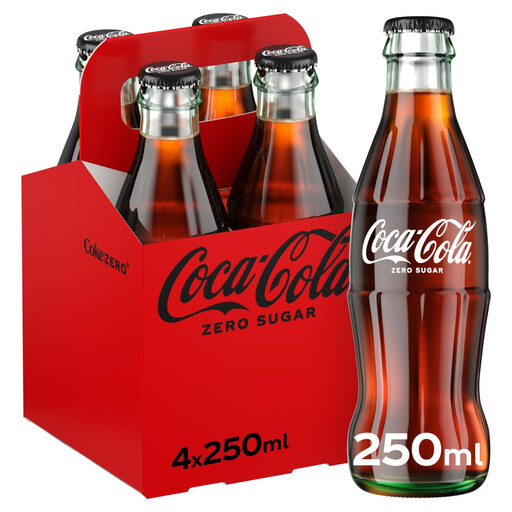
Why This Fits Their Persona: A smaller four-can format suits individual shoppers, smaller households and anyone wanting to choose a zero-sugar cola without committing to a large case.
The total quantity is clear: four 250ml cans. This helps avoid paying for more stock than your cupboard or routine requires.
Zero sugar and zero calories are listed, with a compact can format for chilled, single-serve use.
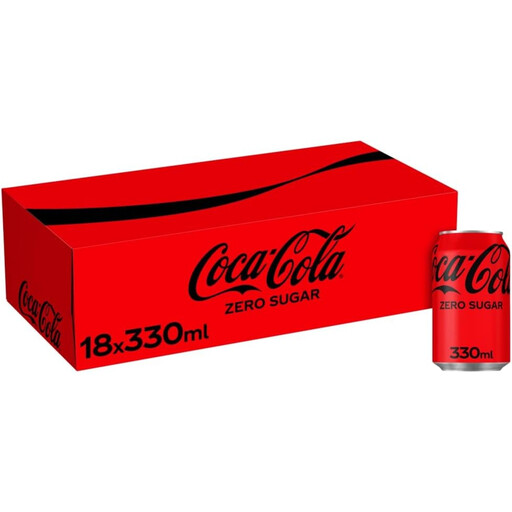
Why This Fits Their Persona: Suitable for shoppers who prefer a familiar branded cola flavour and want a substantial supply of standard 330ml cans for meals and guests.
The pack states 18 cans at 330ml each, making the available volume easier to compare with other cola multipacks.
The listed nutrition is 0g sugar and 1 calorie per 330ml can. The cans are suitable for vegans and vegetarians according to the supplied product information.

Why This Fits Their Persona: A 24-can case suits offices, party hosts and households that want an available drink for frequent daytime or evening occasions without caffeine.
It is specifically labelled No Caffeine, avoiding the common mistake of assuming that every diet or sugar-free cola has the same caffeine content.
The pack contains 24 x 330ml cans and the supplied nutrition panel lists 0g sugar and 1 calorie per can.
We have compiled a complete, real-time list of products that fully satisfy these strict selection criteria and UK safety regulations.
Unopened cans can usually be stored until the best-before date printed on the packaging, provided they are kept in a cool, dry place and away from direct sunlight. Check each pack before purchase and avoid damaged or leaking cans. Once opened, consume promptly to retain carbonation and flavour.
They can offer a lower cost per can, but this depends on the listed price, pack size and promotion. Calculate the price per can or per litre before buying. A large case may not represent useful value if some cans remain unused for a long period or require more storage space.
Choose a product that is labelled both zero sugar and caffeine-free. Diet Coke No Caffeine is one listed example. Coca-Cola Zero Sugar, Diet Coke and Pepsi Max are sugar-free or zero-sugar options, but their supplied ingredient lists include caffeine, so always check the current packaging before ordering.