First-shop buyers choosing a fridge drink
Start with the recipe you want, then choose a pack your household can store and use. A large bottle and a multipack of cans call for different amounts of space and different plans once opened.


Choose the recipe before the brand: regular cola is the sugar-sweetened route, while a zero-sugar variant is the route if you do not want sugar in the drink but are comfortable with its other ingredients. If caffeine matters, choose a variant explicitly labelled caffeine-free rather than assuming 'diet' or 'zero' means caffeine-free. For a first shop, match the pack to your fridge space and likely use, especially if buying a bottle that needs to be finished soon after opening.
Start with the recipe you want, then choose a pack your household can store and use. A large bottle and a multipack of cans call for different amounts of space and different plans once opened.
Check sugars per 100ml and per serving for the exact cola. Regular and zero-sugar versions of a familiar brand need not have the same sugar value.
Look for an explicitly caffeine-free variant and check its ingredients. A diet or zero-sugar name alone does not tell you whether caffeine is present.
Choose between regular, zero-sugar and caffeine-free recipes first; then check the exact label and a pack size that fits how you will use it.
Choose when: You specifically want a sugar-sweetened recipe.
Bear in mind: The sugar value depends on the recipe and the amount you pour or drink.
Choose when: You want a zero-sugar recipe and are not avoiding caffeine.
Bear in mind: Check the sweeteners and do not treat zero sugar as a caffeine-free claim.
Choose when: Both zero-sugar and caffeine-free status matter to you.
Bear in mind: Check the precise variant and its ingredients; it is still a fizzy drink.
| Priority | What to check | Your needs |
|---|---|---|
| Sugar | Compare sugars per 100ml and the serving you expect to drink. Coca-Cola GB lists 10.6g per 100ml for Original Taste; Pepsi UK lists 4.5g for Pepsi Classic and 0g for Pepsi Max. | I want to choose deliberately between a sugar-sweetened recipe and a zero-sugar one, rather than relying on the brand name. |
| Caffeine | Check the exact variant name and ingredients. Pepsi UK lists caffeine in standard Pepsi Max, while its No Caffeine variant is labelled caffeine-free; Coca-Cola GB also identifies a Zero Sugar Caffeine Free variant. | If I am avoiding caffeine, a 'diet' or 'zero' label by itself is not enough for my shop. |
| Sweeteners | Read the ingredients and any phenylalanine statement on the specific product. Pepsi UK lists aspartame and acesulfame K in Pepsi Max; Coca-Cola GB identifies a source of phenylalanine in Zero Sugar Caffeine Free. | I want to know which sweeteners are in the drink, or whether a phenylalanine notice matters to me. |
| Fizzy drinks and teeth | Do not equate zero sugar with no acidity. NHS oral-health guidance from Norfolk and Suffolk Integrated Care Board says many fizzy drinks, including sugar-free ones, are acidic and can erode enamel. | For a routine drink, I would rather consider water or milk than assume zero-sugar cola is equivalent for teeth. |
| Pack and storage | Check the pack size, fridge space and instructions after opening. Sainsbury's says its Diet Cola 2L should be refrigerated once opened and consumed within three days. | A bottle needs to fit how quickly my household will use it; individual cans may suit occasions spread further apart. |
Pepsi UK lists caffeine in standard Pepsi Max and names its caffeine-free version separately. The same distinction matters when comparing other diet or zero-sugar colas.
If you need to avoid caffeine, check both the precise product name and its ingredients before choosing.
NHS oral-health guidance from Norfolk and Suffolk Integrated Care Board says many fizzy drinks, including sugar-free ones, are acidic and can erode enamel.
Consider water or milk as a routine drink rather than repeatedly sipping cola throughout the day.
Sainsbury's instructs buyers to refrigerate its opened 2L Diet Cola and consume it within three days. That may not fit an occasional cola drinker's first shop.
Compare the bottle's instructions with your household's likely use; consider cans or a smaller pack if the opened bottle would be difficult to finish.
Keurig Dr Pepper's RC Cola figures describe a US 12 fl oz product. They do not establish the ingredients or nutrition of an item bought in the UK.
Use the current UK label for the exact RC Cola product before comparing it with UK-labelled colas.
A familiar brand name does not replace checking the precise recipe: regular, diet, zero-sugar and caffeine-free variants can differ.
Coca-Cola GB identifies both Original Taste and Zero Sugar Caffeine Free among its UK cola variants.
Pepsi UK distinguishes its regular Pepsi, Pepsi Max, Diet Pepsi and Pepsi Max No Caffeine recipes.
Sainsbury's lists a Diet Cola 2L bottle described as a carbonated low-calorie cola with sweeteners.
Asda lists Just Essentials Diet Cola 2 Litres as a retailer-brand option.
RC Cola is another brand to consider only against the label of the exact product you intend to buy.
For a Tesco own-brand cola, make the comparison using the label of the specific product in your shop.
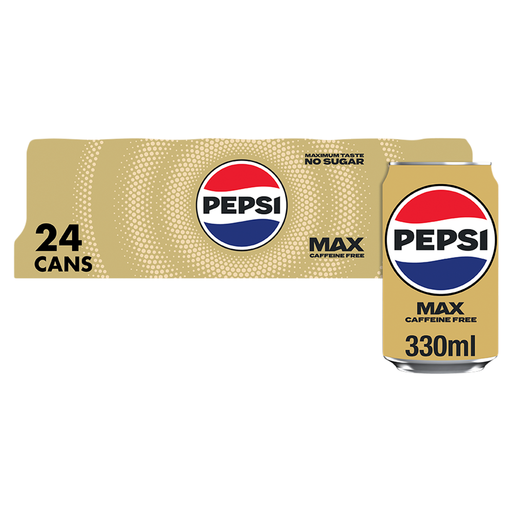
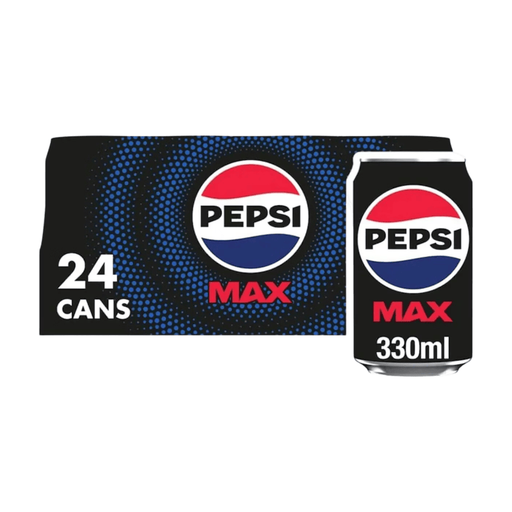
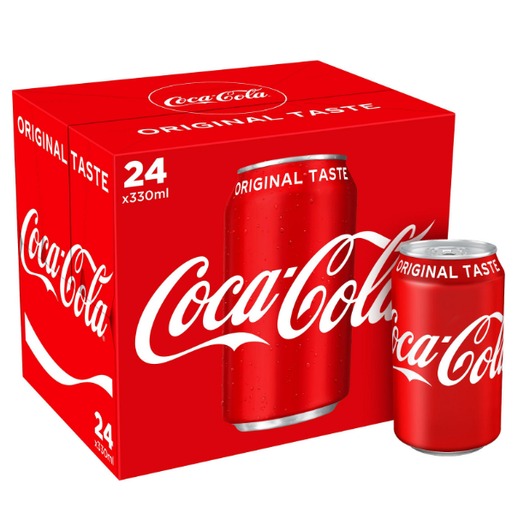
These 24-can packs offer a regular cola, a zero-sugar Pepsi Max and a Pepsi Max variant named Caffeine Free. Compare the recipe first, then decide whether 24 × 330ml cans fit your first shop.
 No image available
The Caffeine Free variant is the one to examine if you want cola without caffeine. This pack contains 24 × 330ml cans; check the precise pack label for sugars, sweeteners and any phenylalanine notice.
 No image available
For a zero-sugar cola when you are not avoiding caffeine: Pepsi UK lists 0g sugars per 100ml for Pepsi Max, and its ingredients include caffeine and sweeteners. This pack contains 24 × 330ml cans; check whether that quantity fits your household's use.
 No image available
This is the regular sugar-sweetened recipe rather than a zero-sugar choice. Coca-Cola GB lists 10.6g sugars per 100ml and caffeine flavouring for Original Taste. The pack contains 24 × 330ml cans, so consider both the serving size and whether you will use the multipack.
No. NHS oral-health guidance from Norfolk and Suffolk Integrated Care Board says many fizzy drinks, including sugar-free ones, are acidic and can erode enamel. It identifies water and milk as safer routine choices for teeth.
Check the exact product name and ingredients. Pepsi UK lists caffeine in standard Pepsi Max but names Pepsi Max No Caffeine separately; Coca-Cola GB also identifies a Zero Sugar Caffeine Free variant. 'Diet' or 'zero sugar' alone does not establish caffeine-free status.
Follow the instruction on that bottle. Sainsbury's says its Diet Cola 2L should be refrigerated after opening and consumed within three days; check other colas individually rather than applying that instruction to every bottle.