Choose water for your hydration plan after exercise, and treat cola as an optional sparkling drink rather than a recovery drink. UK Ministry of Defence hydration guidance addresses water after demanding activity and says sports drinks may assist after prolonged activity or when food access is limited. If you want cola afterwards, a clearly labelled no-sugar, caffeine-free variant avoids adding sugar or caffeine; check its ingredients if particular sweeteners matter to you.
Who are these choices for?
People who want something fizzy after a routine workout
If cola is mainly about flavour and carbonation, decide what you will drink for hydration first. A no-sugar, caffeine-free cola is an option afterwards when you want a sparkling soft drink without those two ingredients.
Evening exercisers avoiding caffeine
Look for “Caffeine Free” or “No Caffeine” in the full variant name, rather than relying on a diet or zero-sugar label. Coca-Cola GB and Pepsi UK both identify no-sugar, caffeine-free cola variants.
People finishing long or demanding sessions
Make the drink decision about the activity, not just the cola flavour. UK Ministry of Defence guidance discusses water after demanding activity and says sports drinks may assist after prolonged physical activity or when access to food is limited; it does not position ordinary cola as the primary recovery choice.
What should you check first?
Settle your hydration plan, then compare cola variants by their sugar and caffeine labels. Ingredient information matters too when choosing a sweetened, no-sugar drink.
| Priority |
What to check |
Your needs |
| Replacing fluid |
Plan for water after activity. UK Ministry of Defence guidance discusses water after demanding activity; it reserves a possible role for sports drinks for prolonged activity or limited access to food. |
After exercise, I want to sort out what I am drinking for hydration before choosing a cola for its taste. |
| Sugar |
Compare the sugar figure per 100 ml and the amount in the serving you intend to drink. Pepsi UK lists 4.5 g sugars per 100 ml for regular Pepsi; its Pepsi Max Caffeine Free is described as having no sugar. |
If I am choosing cola simply because I fancy one, I may prefer a no-sugar variant rather than regular cola. |
| Caffeine |
Check the complete variant name and ingredients: “zero sugar” alone does not say whether a cola is caffeine-free. Consider caffeine from other drinks and products if you are keeping track of your intake. |
For a late workout, I would choose a cola explicitly labelled caffeine-free if I do not want to add caffeine. |
| Ingredients |
Read the current pack for its sweeteners and any phenylalanine statement. Check the exact flavour and variant rather than assuming related colas have the same ingredients. |
Particular sweeteners or label warnings may affect which cola I choose, even when the sugar and caffeine labels suit me. |
Common selection mistakes
-
Assuming zero sugar means no caffeine
Sugar and caffeine are separate product characteristics. Picking a cola by its sugar claim alone may leave you with a variant that does not meet your caffeine preference.
Read the full name and choose one explicitly labelled “Caffeine Free” or “No Caffeine” when avoiding caffeine matters.
-
Making regular cola the hydration plan
A preference for cola is a different decision from replacing fluid after demanding activity. UK Ministry of Defence guidance discusses water after such activity and limits its discussion of sports drinks to particular circumstances.
Plan for water first. Treat cola as an optional drink afterwards rather than substituting it for that plan.
-
Expecting a no-sugar cola to cover recovery needs
Removing sugar from a cola does not make the drink a complete food option after exercise.
Consider food and fluids separately, then choose a cola by the flavour, sugar and caffeine characteristics you want.
-
Overlooking the ingredient label
Two colas with similar front-of-pack sugar and caffeine wording need not have the same ingredient lists.
Check the current pack for sweeteners and phenylalanine information if either affects your choice.
Cola brands and retailer options
These references help distinguish named variants and shopping routes; the label on the product you buy remains the place to check its ingredients.
Coca-Cola
Coca-Cola GB describes Coca-Cola Zero Sugar Caffeine Free as a variant without sugar or caffeine.
- The full variant name distinguishes it from other Coca-Cola Zero Sugar products.
- Check the current pack for sweeteners and other ingredient information relevant to you.
Pepsi
Pepsi UK describes Pepsi Max Caffeine Free as having no sugar or caffeine, while its regular Pepsi nutrition information lists 4.5 g sugars per 100 ml.
- The named variants allow you to compare different sugar and caffeine preferences within the range.
- Choose by the exact variant label; the regular and caffeine-free products should not be treated as interchangeable.
Tesco
Tesco Groceries lists Tesco Caffeine Free Diet Cola in its caffeine-free cola category alongside branded variants.
- Its own-label listing provides another named caffeine-free diet cola to compare.
- Check the individual pack rather than assuming its ingredients match a branded cola.
Joybuy drink options
These options include caffeine-free colas for an optional drink after exercise, sparkling water for a water-first choice, and two other cola variants. They serve different preferences rather than a single recovery-drink purpose.
 No image available
Diet Coke No Caffeine, 24 × 330 ml
A cola option if you want a fizzy drink after addressing hydration and wish to avoid caffeine. This is a pack of 24 × 330 ml cans; check the current pack for sugar and sweetener details that matter to you.
View on Joybuy
 No image available
Pepsi Max Caffeine Free, 24 × 330 ml
This no-sugar, caffeine-free cola suits someone choosing an optional fizzy drink without either ingredient. Pepsi UK identifies the variant as having no sugar or caffeine; the listed pack contains 24 × 330 ml cans. Check the current ingredient label if sweeteners matter to you.
View on Joybuy
 No image available
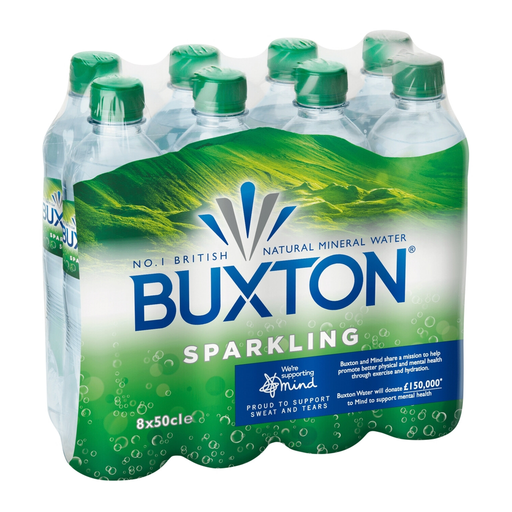
Buxton Sparkling, 8 × 500 ml
Choose this sparkling-water option when you want fizz but are selecting water rather than cola. The pack contains 8 × 500 ml bottles; it will not provide a cola flavour.
View on Joybuy
 No image available
Pepsi Max, 24 × 330 ml
This cola is an optional drink after you have planned for hydration, but it is not the Caffeine Free variant. The pack contains 24 × 330 ml cans. Check its current caffeine and ingredient information if either affects your choice.
View on Joybuy
 No image available
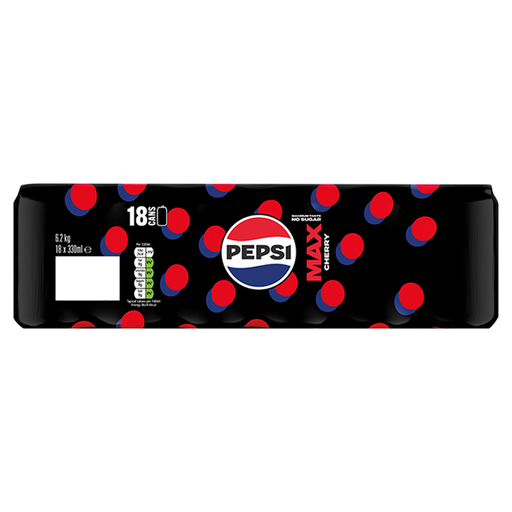
Pepsi Max Cherry, 18 × 330 ml
The cherry variant offers a different cola flavour if you want an optional fizzy drink after exercise. This pack contains 18 × 330 ml cans and is not labelled Caffeine Free; check the current pack when caffeine or sweeteners matter to you.
View on Joybuy
Questions about cola after exercise
Should cola be my main drink after a workout?
No: plan for water rather than treating cola as your hydration strategy. UK Ministry of Defence guidance addresses water after demanding activity and says sports drinks may assist after prolonged activity or when food access is limited. Cola can remain an optional drink for taste afterwards.
What if I want a sparkling cola without sugar or caffeine?
Choose a variant explicitly labelled both no sugar and caffeine-free, after deciding what you will drink for hydration. Coca-Cola GB identifies Coca-Cola Zero Sugar Caffeine Free, and Pepsi UK identifies Pepsi Max Caffeine Free, as variants with those characteristics. Check the exact pack for its current ingredients.
Does sugar-free cola replace food after exercise?
No. A sugar-free label describes one aspect of the drink; it does not make cola a complete food option after exercise. Consider food and fluids separately before choosing a cola for flavour.
Does caffeine in cola automatically cause dehydration?
Not automatically. The European Food Safety Authority’s assessment says single caffeine doses up to 200 mg are unlikely to cause clinically relevant changes in hydration status in healthy adults. That does not make caffeinated cola a substitute for a hydration plan; if avoiding caffeine is your aim, select a clearly labelled caffeine-free variant.


