Students stocking a shared flat
If several people will share a bottle, check its instructions for use after opening. Separately sealed cans can be more practical when everyone drinks cola at different times.


For a student move-in, choose by sugar and caffeine content before deciding between cans and a large bottle: zero-sugar cola can still contain caffeine, while a caffeine-free option needs to say so explicitly. Regular cola suits someone who specifically wants a sweetened recipe; for a shared flat, a large bottle makes sense only if it can be finished within its stated period after opening.
If several people will share a bottle, check its instructions for use after opening. Separately sealed cans can be more practical when everyone drinks cola at different times.
Compare sugars per 100 ml on the exact packs you are considering. A zero-sugar label tells you about sugar, not caffeine or which sweeteners the drink contains.
Look for an explicit caffeine-free label. Pepsi Max Caffeine-Free and Coca-Cola Zero Sugar Caffeine Free are examples; standard Pepsi Max contains caffeine, according to Pepsi UK.
Settle the recipe first, then choose a pack that fits how many people will drink it and when.
| Priority | What to check | Your needs |
|---|---|---|
| Sugar | Compare sugars per 100 ml on the nutrition labels. The Coca-Cola Company lists 10.6 g for Original Taste and 0 g for Zero Sugar Caffeine Free; Pepsi UK lists 4.5 g for regular Pepsi and 0 g for Pepsi Max. | I want a regular sweetened recipe, or I would rather choose one labelled zero sugar. Comparing the same volume helps me distinguish them. |
| Caffeine | Check for an explicit caffeine-free label and read the ingredients. Pepsi UK lists caffeine in Pepsi Max, despite its 0 g sugars per 100 ml. | For drinks I plan to have in the evening, I want to know whether this particular cola contains caffeine. |
| Ingredients | Read the sweeteners and warning statement on the exact pack. The Coca-Cola Company and Pepsi UK list aspartame and a source-of-phenylalanine statement for their specified caffeine-free zero-sugar colas. | I need to check ingredient-specific requirements rather than assume that all zero-sugar recipes are interchangeable. |
| Pack format | Compare total volume, individual can size, storage space and any instructions after opening. Tesco Groceries says to consume its listed 2-litre Diet Cola and Caffeine Free Diet Cola within 3 days of opening. | Will several flatmates finish a bottle promptly, or would separately sealed cans suit how we drink cola? |
Pepsi Max has 0 g sugars per 100 ml but contains caffeine, according to Pepsi UK. The sugar claim alone cannot answer the caffeine question.
Choose a pack explicitly labelled caffeine-free when that distinction matters, and check its ingredients.
Sweeteners and warning statements can differ between products. Specified Coca-Cola and Pepsi zero-sugar colas containing aspartame carry a source-of-phenylalanine statement.
Read the ingredients and warning on the exact flavour and pack you intend to buy.
Tesco Groceries instructs customers to consume its listed 2-litre diet colas within 3 days of opening. That period matters if only one person drinks from the bottle occasionally.
Check the bottle’s own instructions; consider separately sealed cans if the bottle is unlikely to be finished in time.
The Coca-Cola Company lists 10.6 g sugars per 100 ml for Original Taste. A larger serving contains more sugar than the per-100 ml figure alone shows.
If sugar content affects your choice, compare both the per-100 ml figure and the amount you expect to drink.
Brand names alone do not establish a recipe: check the exact regular, zero-sugar or caffeine-free product.
The Coca-Cola Company lists Original Taste and Zero Sugar Caffeine Free as distinct UK recipes.
Pepsi UK distinguishes regular Pepsi, Pepsi Max and Pepsi Max Caffeine-Free.
Tesco Groceries lists own-label diet cola in cans and 2-litre bottles, including a caffeine-free 2-litre recipe.
RC Cola International identifies RC Cola as part of its carbonated-drinks range.
These can multipacks cover regular, zero-sugar and caffeine-free cola choices for stocking a student flat. Choose the recipe first, then consider whether an 8-pack or 24-pack fits your storage and sharing plans.
 No image available
Individual cans for a shared flat when both zero sugar and a caffeine-free recipe matter. Joybuy’s product details list 0 g sugars per 100 ml, aspartame, acesulfame K and a source-of-phenylalanine statement; check the pack if those ingredients affect your choice.
 No image available
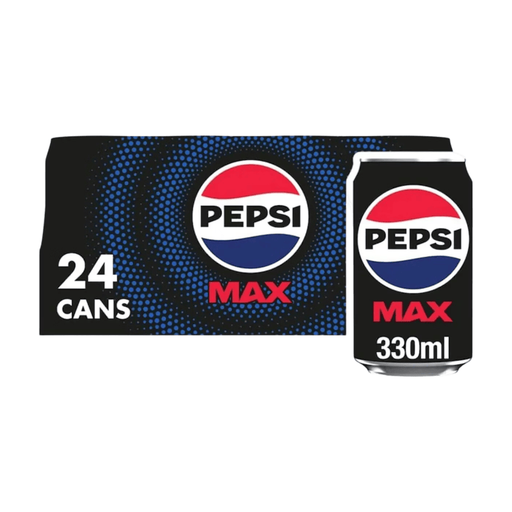
A zero-sugar can multipack for people who are not looking for a caffeine-free cola. The product information lists 0 g sugars per 100 ml and includes caffeine, aspartame, acesulfame K and a source-of-phenylalanine statement.
 No image available
Separately sealed cans for a flat that specifically wants regular sweetened cola. The stated recipe contains caffeine and lists 10.6 g sugars per 100 ml, so compare the serving size if sugar content matters to you.
 No image available
A zero-sugar can multipack, not a caffeine-free option. Its product information lists 0 g sugars per 100 ml, caffeine, aspartame, acesulfame-K and steviol glycosides, alongside a source-of-phenylalanine statement.
 No image available
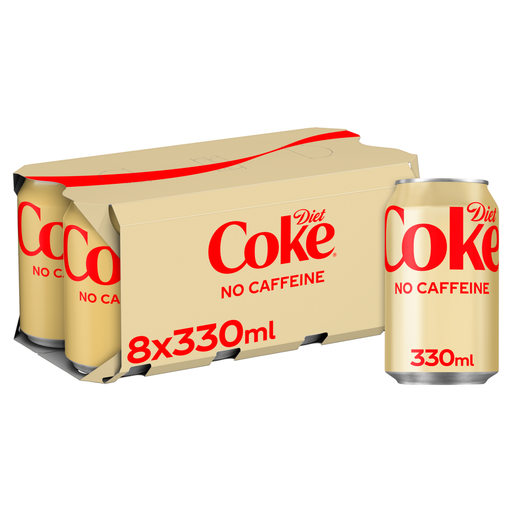
An eight-can option if a smaller pack suits your cupboard or shared fridge. The product information identifies a caffeine-free recipe with 0 g sugars per 100 ml; it also lists aspartame, acesulfame K and a source-of-phenylalanine statement.
No. Pepsi UK lists 0 g sugars per 100 ml for Pepsi Max but includes caffeine in its ingredients. If you want neither, look for an explicitly caffeine-free product such as Pepsi Max Caffeine-Free and check the exact pack.
Check the ingredients and warning on the exact cola. The specified Coca-Cola Zero Sugar Caffeine Free, Pepsi Max and Pepsi Max Caffeine-Free products contain aspartame and carry a source-of-phenylalanine statement; a zero-sugar label alone does not tell you which sweeteners are used.
Tesco Groceries instructs customers to consume its listed 2-litre Diet Cola and Caffeine Free Diet Cola within 3 days of opening. Check the instructions on any other bottle rather than assuming it has the same period.
A large bottle suits a group expecting to finish it within the pack’s stated opened-life period. Separately sealed cans suit people drinking at different times; compare the total volume and the space each format needs.
It depends on the recipe. The Coca-Cola Company lists 10.6 g sugars per 100 ml for Original Taste, while Pepsi UK lists 4.5 g per 100 ml for regular Pepsi. Compare the exact label and the volume you intend to drink.