
24/7 Customer Support

Free returns

Same-day & Next-day Delivery

Quality Guaranteed

Unlock Your Welcome Offers: FREE Delivery | Up to 80% OFF | Free 30-day JoyPlus trial
Download the APP
When a cough or cold strikes, navigating the pharmacy aisle can feel overwhelming. Shelves are packed with countless boxes, all promising relief. But with so many options, it's easy to make a choice that's either ineffective for your symptoms or unsuitable for your needs. As the Joybuy Product Recommendation Officer, my role is to help you understand the key differences so you can select a suitable product with confidence.
This guide will walk you through the common pitfalls to avoid and the essential factors to check, ensuring you find the right support for you and your family.
Feeling unwell makes it tempting to grab the first box that looks promising. However, a hasty decision can lead to frustration and wasted money. Here are two common traps to be aware of:
all-in-one cold and flu capsules seem like a convenient solution, but they often contain a cocktail of active ingredients. If you only have a headache and a fever, you don't necessarily need a decongestant and a cough expectorant. Choosing a product that treats symptoms you don't have is unnecessary. The goal is to target your specific discomfort.dry cough syrup for a chesty cough is counterproductive, as it may suppress the natural reflex needed to clear mucus. Conversely, a chesty cough medicine won't soothe the irritation of a dry cough.To avoid these pitfalls, focus on two simple parameters. This approach helps you move past the marketing and focus on what the product actually does.
Instead of focusing on brand names, look for the active ingredients listed on the packaging. This is the most reliable way to find a product that addresses your specific needs.
hay fever treatment you need. Look for an antihistamine like Cetirizine Dihydrochloride.Always check if a product is a non-drowsy flu remedy or if it may cause sleepiness, especially if you need to drive, work or look after children. For families, checking the age suitability is non-negotiable. Products like children's cough medicine or infant Calpol are specifically formulated with dosages and ingredients appropriate for younger age groups.
To help illustrate how to match a product to a specific situation, here are a few recommendations for different user profiles.
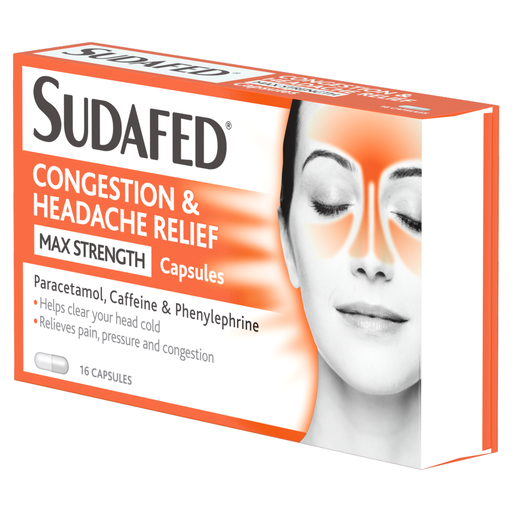
Why This Fits Their Persona: When you need to stay focused at work, a head cold with sinus pressure and fatigue is disruptive. This formulation is designed for daytime use, targeting the specific combination of headache, congestion and tiredness that makes it hard to concentrate.
This is a smart "all-in-one" because its ingredients (Paracetamol, Phenylephrine, Caffeine) are precisely matched to the symptoms of a head cold. It avoids the trap of including unnecessary medication like a cough expectorant.
It combines a painkiller, a decongestant and caffeine to specifically combat sinus pain and cold-related fatigue, helping you get on with your day.
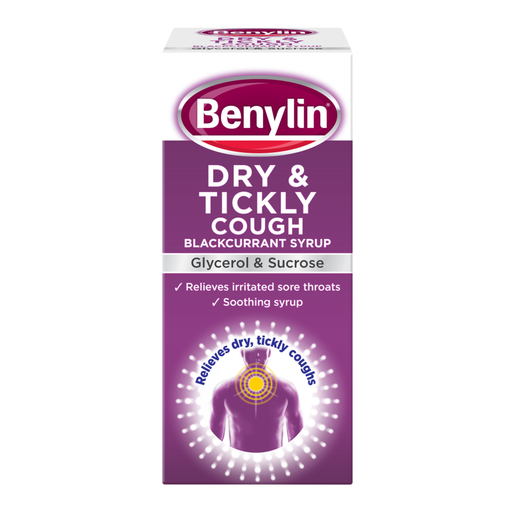
Why This Fits Their Persona: When a toddler has a persistent, irritating cough, parents need a gentle, age-appropriate and easy-to-administer solution. This syrup is specifically for children aged 1-5 and has a pleasant flavour to make dosing less of a struggle.
It directly avoids the pitfall of using the wrong cough medicine. By using Glycerol, it soothes a dry, tickly cough rather than trying to suppress it or treat a chesty cough the child doesn't have.
Formulated specifically for children aged 1-5 years. It is non-drowsy and uses a soothing agent (Glycerol) suitable for dry, non-productive coughs.
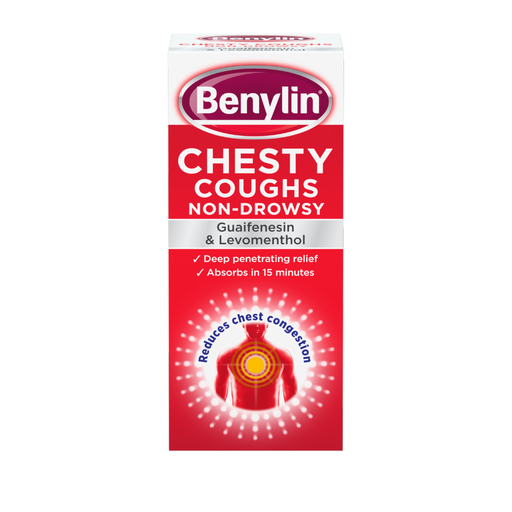
Why This Fits Their Persona: For someone suffering from a heavy, mucus-filled cough, the priority is to clear the congestion. This product is designed to make a cough more productive, helping to expel phlegm from the chest so you can feel less congested and breathe more easily.
This is the correct choice for a productive cough, avoiding the common mistake of using a dry cough syrup. Its active ingredients, Guaifenesin and Levomenthol, are specifically for loosening phlegm and easing congestion.
A targeted, non-drowsy formula that works deep in the chest to thin mucus, making it an effective choice for daytime relief from a chesty cough.
We have compiled a complete, real-time list of products that fully satisfy these strict selection criteria and UK safety regulations.
It is very important to avoid taking multiple cold and flu remedies at once without first speaking to a pharmacist. Many products contain the same active ingredients, particularly Paracetamol. Taking more than the recommended dose of paracetamol can cause serious harm. Always read the active ingredients on the packaging of all medicines you are taking to prevent an accidental overdose.
Symptoms can overlap, but there are some general pointers. Colds usually develop gradually and involve a runny nose, sneezing and a sore throat. The flu tends to appear more suddenly and severely, with fever, body aches, headache and significant fatigue. Hay fever is an allergic reaction, not a virus, and its key signs often include itchy or watery eyes and repeated sneezing, which are less common with a cold or flu. If symptoms are severe, persist for more than a few days or you are unsure, it is always best to consult a GP or pharmacist.
The difference typically lies in the type of antihistamine an ingredient used to relieve symptoms like a runny nose and sneezing. Some older antihistamines can cause drowsiness, which can be helpful for resting at night but problematic during the day. A non-drowsy flu remedy will either use a newer type of antihistamine that is less likely to cause sleepiness or omit this ingredient altogether. Some non-drowsy formulas may also include caffeine to help combat fatigue. Always check the label if you need to stay alert.