Who is each format for?
The choice depends on how many drinks need preparing at once and who will serve them.
Organisers planning around 240 servings
Start with the number and size of drinks you intend to serve. A bottle of concentrate, a prepared glass and an individual can are different ordering units; the preparation instructions determine how many you need.
Teams running a short or unattended break
Individual ready-to-drink portions avoid measuring and mixing during the meeting. Concentrate needs a station with the right ingredients and equipment, as well as time to prepare each drink.
Organisers serving different dietary needs
Keep drink options identifiable and check their current labels. M&S Food says its oat cold-brew latte is not suitable for coeliacs or people with a wheat allergy, despite being dairy-free; caffeine and sweetened formulations also matter when planning alternatives.
What should you check before ordering?
Set the serving size and service method first, then calculate quantities from each drink’s own pack size or preparation directions.
| Priority |
What to check |
Your needs |
| Serving count |
Check whether a unit is one finished drink or concentrate for several drinks. Tesco Groceries specifies 100ml concentrate plus 100ml water per glass; its 500ml bottle makes five 200ml glasses. |
I need about 240 drinks, not simply 240 coffee containers. At Tesco’s stated serving size, 48 bottles make 240 glasses before allowing for spillage or attendance changes. |
| Preparation time |
Confirm whether each drink needs mixing and whether the venue can supply water, cups, ice and staff or a workable self-service station. A 250ml ready-to-drink can is already individually portioned. |
For a short break, I may need drinks that can be handed out without a queue at a mixing station. |
| Ingredients and allergens |
Read the delivered packs and identify milk, oats and other relevant allergens. M&S Food’s Classic Latte contains semi-skimmed milk; its Oat Latte is not suitable for coeliacs or people with a wheat allergy. |
I want separate, clearly labelled choices rather than assuming that a dairy-free drink works for every guest. |
| Flavour and caffeine |
Check whether the drink is unsweetened or flavoured and read its caffeine information. Tesco Finest is an unsweetened concentrate; Waitrose lists 94mg caffeine per prepared glass for the Nescafé Vanilla concentrate. |
Some guests may prefer water or a non-coffee option to a sweetened or caffeinated drink. |
| Storage and supplies |
Check storage instructions before and after opening, plus the water, milk, ice and cups needed for the chosen recipe. For Nescafé Vanilla, the stated recipe uses 150ml milk per drink. |
If I set up a latte station for 240 drinks using that recipe, I also need 36 litres of milk and enough space and equipment to serve it. |
Brands and formats to consider
These brand references illustrate different ways to serve cold coffee; check the exact product and format before building an order.
Tesco Finest
Its Unsweetened Cold Brew Coffee Concentrate 500ml offers a measured, water-diluted option for a staffed or self-serve station.
- Tesco Groceries specifies 100ml concentrate and 100ml cold water for a 200ml glass, giving five stated glasses per bottle.
- It is not ready to hand out: plan for water, cups, ice and mixing, plus the label’s storage instructions after opening.
M&S Food
Its 250ml Classic Latte and Oat Latte Cold Brew Coffee products represent individually portioned ready-to-drink choices.
- One can provides one individual portion without a mixing station.
- The Classic Latte contains milk. M&S Food says the dairy-free Oat Latte is not suitable for coeliacs or people with a wheat allergy; check the delivered labels.
Nescafé
The Espresso Concentrated Iced Vanilla 500ml product sold by Waitrose is a flavoured option for a prepared-drink station.
- Waitrose lists 16 servings per bottle, providing a stated basis for planning drink numbers.
- The vanilla product contains sugar, requires a drink to be mixed and is listed as having 94mg caffeine per prepared glass.
Sandows
Sandows London says it crafts cold-brew coffee in its London brewery.
- It is a specialist cold-brew brand to consider when a coffee-focused format suits the meeting.
- Ask for the current product specification and serving format before calculating an order for around 240 drinks.
Cold-water-mix options on Joybuy
These portioned coffee options are prepared with cold water rather than handed out as ready-to-drink cans. Allow for cups and mixing when planning around 240 servings.
 No image available
J.ZAO Extra-Strong Americano Cold Brew Coffee Liquid, 25ml × 10 Pouches
For a cold-water-mix station, the stated ten portions per pack give a plan of 24 packs for 240 drinks. Allow about 200ml water per pouch according to the preparation information, as well as cups and a way to stir. The product name states zero sugar; check the current pack if caffeine information matters for your guests.
View on Joybuy
 No image available
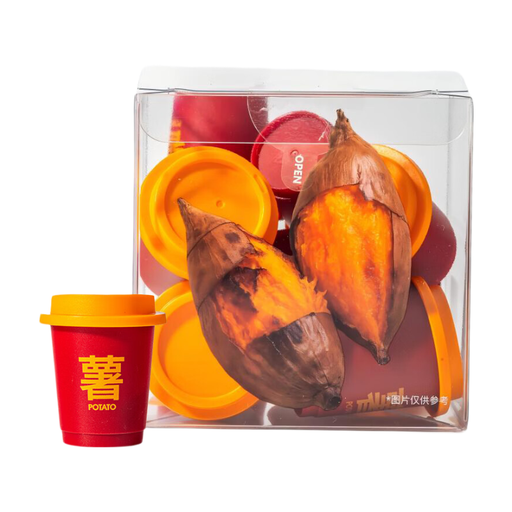
Office Fish Roasted Sweet Potato Flavoured Cold-Brew Freeze-Dried Coffee Powder 18g
This flavoured, cold-water-mix option uses single-serve sachets rather than ready-to-drink portions. Based on the stated nine sachets per pack, 27 packs would provide 243 sachets; the preparation information calls for about 150–180ml cold or iced water per sachet. Provide cups and a way to stir, and check the delivered pack for caffeine and ingredient information relevant to guests.
View on Joybuy
Questions about serving 240 drinks
How many Tesco Finest concentrate bottles make 240 drinks?
At Tesco Groceries’ stated recipe of 100ml concentrate plus 100ml cold water per glass, a 500ml bottle makes five 200ml drinks. That makes 48 bottles for 240 glasses, before any allowance for spillage or changes to the planned serving size.
How much milk does the Nescafé Vanilla recipe need for 240 drinks?
At the stated 150ml milk per glass, 240 drinks require 36 litres of milk. Waitrose lists 16 servings per 500ml bottle, so 15 bottles cover 240 stated servings; also plan for cups and ice.
Is a dairy-free oat latte suitable for guests with a wheat allergy?
Do not use M&S Food’s Oat Latte Cold Brew Coffee as that alternative: M&S says it is not suitable for people with a wheat allergy or for coeliacs. Check the delivered product’s allergen declaration and offer a separately identified option that meets the guest’s requirements.
What allergen information should a UK food business provide when serving meeting drinks?
Food Standards Agency guidance says food businesses must provide allergen information for both prepacked and non-prepacked food and drink. If your supplying or serving arrangement falls within that guidance, keep the current product information available and identify any ingredients added when drinks are prepared.
Can I plan a large order from an online drink description alone?
Use the current product directions to calculate an order, then check the delivered packs before service. Confirm serving instructions, dates, ingredients and allergen declarations, particularly when several drink options will be offered to the same group.


