For a continental breakfast, an unsweetened black concentrate lets you control what goes into the glass; Tesco Groceries lists 0g sugars for its concentrate prepared as a 200ml drink with water. A ready-to-drink no-added-sugar milk coffee needs less preparation, but naturally occurring milk sugars can remain. If avoiding dairy matters more, check an oat latte's separate wheat and coeliac suitability statements as well as its sugars.
Who is each format for?
People comparing sugars
If coffee accompanies fruit, pastries or cereal and you want to control the drink's sugars, compare the nutrition panel for the drink as you will serve it. An unsweetened base and a no-added-sugar milk drink need not have the same sugar content.
People checking milk and allergens
Dairy-free, lactose-free and suitable for vegans describe different things. If wheat allergy or coeliac suitability also matters, check the statement on the exact drink rather than relying on its oat or plant-based description.
People serving breakfast at home
A concentrate lets you prepare glasses with different additions, while a ready-to-drink latte can be poured without mixing. Consider the preparation instructions and whether you will finish a larger bottle within its stated period after opening.
What should you check?
Choose the format that fits your milk and preparation needs, then compare sugars on the same serving basis.
| Priority | What to check | Your needs |
|---|
| Sugars |
Read sugars per serving or per 100g or 100ml, noting which basis the label uses. Check the finished drink after any milk or syrup is added. |
I want to control the sugars in my breakfast coffee. Tesco Groceries lists 0g sugars for a 200ml glass of its unsweetened concentrate prepared with water; Waitrose says its Starbucks no-added-sugar latte still contains naturally occurring sugars. |
| Milk and allergens |
Check the ingredients and the exact dairy, lactose, wheat and coeliac suitability statements. Recheck them when changing products or adding milk. |
If I avoid dairy, an oat drink is worth considering, but I also need to check any separate allergen requirement. M&S states that its dairy-free Oat Latte Cold Brew is not suitable for coeliacs or people with a wheat allergy. |
| Preparation |
Check whether the drink is ready to pour or needs dilution. Follow the stated mixing amounts before comparing nutrition for a glass. |
For a quick breakfast, I may prefer a ready-to-drink latte. If people want different milk or sweetness, I can prepare individual glasses from a concentrate instead. |
| Caffeine and storage |
Look for caffeine per prepared serving if intake matters to you. For a multiserve bottle, check its instructions for storage and use after opening. |
I may have other caffeinated drinks during the day, or serve cold coffee only occasionally. Those details affect which serving format is practical. |
Common buying mistakes
-
Reading 'no added sugar' as 'zero sugar'
A milk-based coffee can contain naturally occurring sugars even when labelled no added sugar. Waitrose makes this distinction on its Starbucks multiserve latte listing.
Read the sugars value on the nutrition panel, then account for anything you add to the drink.
-
Assuming dairy-free also means suitable for wheat allergy or coeliac disease
M&S describes its Oat Latte Cold Brew as dairy-free but states that it is unsuitable for coeliacs and people with a wheat allergy.
Check the allergen declaration and suitability statement on the exact pack.
-
Comparing concentrate with a finished latte
Diluting a concentrate with water or mixing it with milk produces different finished drinks. Tesco Groceries specifies 100ml concentrate plus 100ml cold water for its cold brew; a milk-based recipe needs its own nutrition check.
Compare the amounts you will actually serve, including additions, rather than treating concentrate and ready-to-drink values as interchangeable.
-
Choosing a large bottle without checking storage
A multiserve bottle may be less practical if you drink cold coffee only occasionally and cannot use it within the period stated after opening.
Check the pack's storage instructions against how often you expect to serve it.
Brand references
Tesco Finest
Tesco Groceries lists an unsweetened cold-brew concentrate for making individual drinks with water or other additions.
- Its listed preparation of 100ml concentrate and 100ml water has 0g sugars per 200ml glass; the concentrate is labelled suitable for vegans.
- It is not a finished latte. Additions change the drink's nutrition and may change its dietary suitability.
Nescafé
Tesco Groceries lists a Nescafé unsweetened espresso concentrate that can be mixed with milk or a plant drink.
- The listing gives an example using 30ml concentrate and 150ml semi-skimmed milk.
- Check nutrition and caffeine for the particular recipe: changing what you add changes the finished glass.
Starbucks
UK retailer listings include Starbucks ready-to-drink coffees labelled no added sugar.
- Waitrose describes the multiserve Skinny Latte as lactose-free.
- The listing says naturally occurring sugars remain. Lactose-free does not mean dairy-free.
M&S
M&S lists ready-to-drink Classic and Oat Latte Cold Brew products with different milk and allergen profiles.
- The Oat Latte is described as dairy-free; the Classic Latte contains semi-skimmed milk.
- M&S says the Oat Latte is unsuitable for coeliacs and people with a wheat allergy. Its Classic Latte contains added sugar.
Sandows
Sandows London describes making cold brew coffee in London.
- It is a specialist cold-brew brand to consider if you prefer a plain coffee format.
- Check the nutrition, ingredients and allergen information for any specific Sandows product before choosing it for a dietary requirement.
Cold-brew options on Joybuy
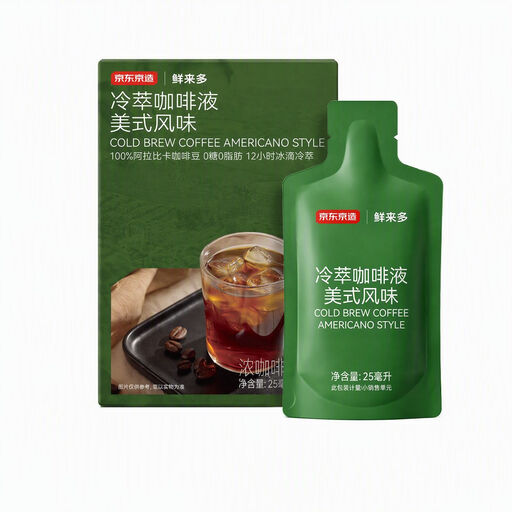
This single-serve black coffee option may suit a breakfast where you want to add water yourself. Check its exact coffee format if cold-brew preparation is essential to your choice.
 No image available
J.ZAO Extra-Strong Americano Cold Brew Coffee Liquid, 25ml × 10
The individual pouches allow you to mix one breakfast coffee at a time; the stated method uses one 25ml pouch with about 200ml water. The listed nutrition is 0g sugars per 100ml, but check the pack for the basis of that figure when assessing a prepared drink. The title calls this cold-brew liquid, while the description also calls it instant soluble coffee, so confirm the format if that distinction matters. Check caffeine per prepared serving if you need that information; additions change the finished drink.
Joybuy
Questions about breakfast cold brew
Does 'no added sugar' mean a cold coffee has no sugars?
No. A no-added-sugar milk coffee can still contain naturally occurring sugars: Waitrose says they remain in its Starbucks multiserve Skinny Latte. Check the sugars value on the nutrition panel if the total matters to you.
How can I make a cold breakfast coffee with no listed sugars?
An unsweetened black concentrate prepared with water is one option. Tesco Groceries lists 0g sugars for a 200ml glass made from 100ml of its Finest concentrate and 100ml water; milk, oat drink or syrup would change the finished drink.
Is a dairy-free oat cold brew suitable for a wheat allergy or coeliac disease?
Not necessarily. M&S describes its Oat Latte Cold Brew as dairy-free but says it is not suitable for people with a wheat allergy or for coeliacs. Check the exact product's allergen and suitability statements.
Can I make a latte from coffee concentrate?
Yes, if the product's preparation instructions allow you to add milk or a plant drink. Tesco Groceries gives a water-based method for its cold brew, while its Nescafé concentrate listing gives a semi-skimmed-milk example. Assess the finished glass using the ingredients and amounts you actually add.


