Runners planning coffee around long runs
If you already drink coffee, look for a stated caffeine quantity and consider the volume you intend to drink. Keep that calculation separate from your plans for food and fluids during training.


Choose a ready-to-drink cold brew if you want coffee to carry to a run and its label lets you calculate the caffeine in the amount you will drink. A concentrate or instant jar offers more flexibility for preparation at home, but check the current pack before relying on either for a particular caffeine amount. Whichever format you choose, plan food and fluids separately from coffee.
The useful distinction is not simply whether the coffee is cold: it is whether you can account for the portion you drink and prepare or store it around a run.
If you already drink coffee, look for a stated caffeine quantity and consider the volume you intend to drink. Keep that calculation separate from your plans for food and fluids during training.
A ready-to-drink bottle avoids preparation before a run. An instant jar suits a home routine, while a concentrate still needs mixing; neither format tells you its caffeine content just by its name.
Chilled oat-based coffees can have refrigeration requirements and allergen statements that matter when you are travelling to training. Check the particular pack rather than assuming all cold brews have the same ingredients.
Start with the amount of coffee you would actually drink. Then check how it is prepared, stored and fitted alongside your food and fluid plans.
| Priority | What to check | Your needs |
|---|---|---|
| Caffeine quantity | Find caffeine per 100 ml or per prepared serving on the current label. For a bottled drink, calculate the amount in the volume you plan to drink, not automatically in the whole pack. | I want to account for my coffee alongside other caffeine sources, rather than guessing from words such as “strong” or “cold brew”. |
| Food and fluids | Read the ingredients and carbohydrate declaration for the specific drink. Consider coffee separately from the food and fluids you plan to use during a long run. | Coffee may be part of my routine, but I still need a separate plan for what I will eat and drink during training. |
| Preparation | Check whether the product is ready to drink, a liquid to mix with water or soluble instant coffee. For a concentrate, follow the pack’s preparation instructions when assessing a serving. | On a rushed morning, I might prefer a ready-to-drink portion; at home, I may have time and water to prepare coffee from a pouch or jar. |
| Storage and allergens | Check the pack’s storage temperature and allergen statement, particularly for chilled milk- or oat-based drinks. Plan how you will carry anything that must stay refrigerated. | If I am taking coffee to training or avoiding an ingredient, I need a product whose current label and storage instructions fit that plan. |
Marks & Spencer states that its 750 ml Plant Kitchen Chilled Cold Brew Oat Latte contains 34.6 mg caffeine per 100 ml. That works out to 259.5 mg in the whole bottle. The European Food Safety Authority’s assessment discusses single doses up to 200 mg for healthy adults; it does not make that figure a training target or establish that every higher dose is unsafe.
Calculate caffeine for the volume you intend to drink, and include other caffeine sources when considering your intake.
“Instant”, “concentrate” and “cold brew” describe different ways of making or serving coffee, not a fixed caffeine quantity. A preparation method alone cannot establish how much caffeine is in your cup.
If a particular caffeine quantity matters to your plan, use the current pack’s declared amount and preparation instructions.
A plain, sugar-free cold brew should not be treated as a replacement for planned food and fluids. The joint position statement from the Academy of Nutrition and Dietetics, Dietitians of Canada and the American College of Sports Medicine addresses the type, amount and timing of food and fluids in sport.
Choose coffee for the role you want it to play, and make separate decisions about food and fluids for the run.
Marks & Spencer instructs shoppers to keep its Plant Kitchen Chilled Cold Brew Oat Latte at 0°C to +5°C. Its allergen information also matters to anyone deciding whether that particular drink is suitable for them.
Check the current pack before buying and make sure you can follow its storage instructions on the way to training.
These examples illustrate the product formats and label details worth comparing; a brand name alone does not establish the caffeine in a serving.
Sandows makes cold brew coffee in London. A Coffee Friend UK listing describes a 200 ml ready-to-drink Sandows cold brew.
M&S provides examples of both chilled ready-to-drink coffee and instant coffee in a jar.
Tesco lists a Finest Unsweetened Cold Brew Coffee Concentrate in a 500 ml pack among its concentrated iced coffees.
These options cover two liquids for preparing coffee with water and an instant-coffee jar. They offer different ways to fit coffee around training, rather than a ready-to-drink bottle with a stated caffeine amount per portion.
 No image available
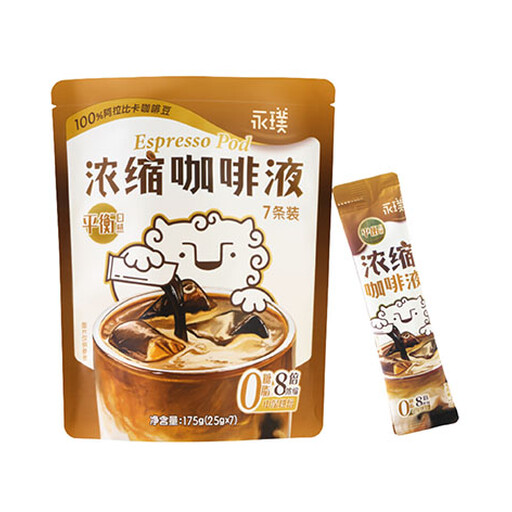
For coffee prepared before leaving home or mixed later, each 25 ml pouch can be added to cold or hot water; it is not a ready-to-drink bottle. Check the current pack for caffeine per pouch before using it to calculate your intake. Check its nutrition label too if the drink needs to fit alongside a food plan.
 No image available
The seven individual 25 g sticks offer portions to mix with hot or cold water, including when you are preparing coffee away from home. This is concentrated coffee liquid, not an identified cold brew. Check the current pack for caffeine and nutrition per prepared drink if either matters to your training plan.
 No image available
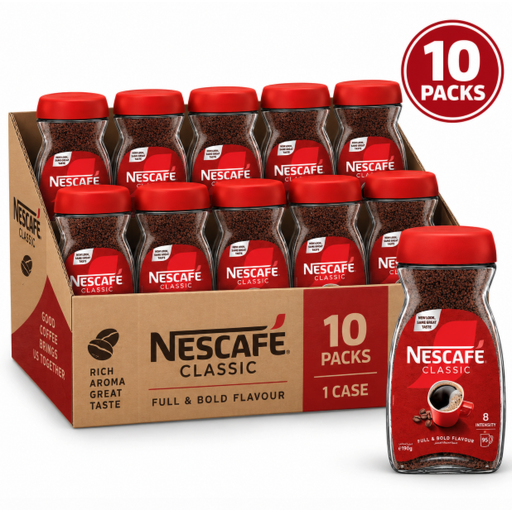
This pack of ten 190 g jars suits a routine of preparing instant coffee with hot water at home; it is not cold brew or a portable ready-to-drink serving. Store it as directed in a cool, dry place, and check the current jar if you need caffeine per prepared cup.
No: choosing a coffee does not settle what you will eat and drink during a run. The joint sports-nutrition position statement from the Academy of Nutrition and Dietetics, Dietitians of Canada and the American College of Sports Medicine addresses food, fluids and their timing as parts of a wider strategy. Check the nutrition of your particular coffee, then plan food and fluids separately.
Multiply the declared caffeine per 100 ml by the number of 100 ml portions you will drink. Marks & Spencer states 34.6 mg per 100 ml for its 750 ml Plant Kitchen Chilled Cold Brew Oat Latte: half the bottle is 129.75 mg, while the whole bottle is 259.5 mg. Use the current label for the bottle you buy.
No. The European Food Safety Authority describes single doses up to 200 mg as unlikely to raise safety concerns for healthy adults, using approximately 3 mg per kg for a 70 kg adult as context. It also discusses daily intake up to 400 mg from all sources for adults in the general population, excluding pregnant women. These assessment figures are not individual training or performance targets; account for caffeine from other drinks and products as well as coffee.
No. Instant coffee is soluble coffee prepared with water, whereas cold brew is a different coffee format. An instant jar may fit a quick home routine, but check its preparation directions and caffeine declaration if you need to account for a particular cup.