Who is each format for?
The useful starting point is whether the group needs a shared batch, individual drinks or a format that fits its storage arrangements.
Groups serving black cold brew
If you can bring drinking water and a vessel for mixing, concentrate lets you prepare drinks for several people. Tesco Groceries specifies a 1:1 water-to-concentrate mix for its 500ml bottle, so two bottles make about 2 litres before ice or other additions.
Campers without dependable chilling
Check the unopened drink’s storage directions before packing individual portions. Marks & Spencer says its 250ml Classic Latte Cold Brew should be stored in a cool, dry place. For products that require refrigeration, the Food Standards Agency warns that a cool box is unlikely to keep food chilled for an extended period.
Groups with different ingredient requirements
Read each variant’s label rather than assuming that cold brew is black coffee. Tesco’s cited concentrate is unsweetened; M&S Classic Latte contains semi-skimmed milk, while M&S says its Oat Latte is not suitable for coeliacs or people with a wheat allergy.
What should you check before buying?
Choose between a shared mix and individual drinks first, then check the finished volume, storage instructions and ingredients for the exact product.
Concentrate for a shared batch
Choose it when: Several campers want black cold brew and drinking water is available for mixing.
Allow for: A mixing vessel and the opened bottle’s refrigeration instructions.
Individual ready-to-drink servings
Choose them when: People want separate drinks without preparing a shared batch.
Allow for: Multiple containers to reach 2 litres, and different ingredients and storage directions between products.
| Priority |
What to check |
Your needs |
| Finished volume |
Check whether the stated volume is concentrate or a finished drink. Tesco Groceries directs users to mix its 500ml concentrate 1:1 with water; two bottles make about 2 litres before additions. |
We want enough black coffee for the group, and I can bring drinking water and something to mix it in. |
| Storage at camp |
Read the unopened and opened storage instructions separately. For food that needs chilling, the Food Standards Agency advises storage below 5°C and cautions against relying on a cool box for an extended trip. |
I need a drink whose storage instructions fit the time we will be away and the chilling equipment we can use. |
| Ingredients |
Compare the exact variant’s ingredients and allergen statement. M&S Classic Latte contains semi-skimmed milk; M&S Oat Latte contains oats and carries coeliac and wheat-allergy suitability warnings. |
Different people in our group may want black coffee or need to avoid particular ingredients, so I will check each label. |
| Caffeine per serving |
Check the label for caffeine information and the mixing directions, particularly if people will refill cups from a shared batch. Consider other caffeinated drinks packed for the trip. |
I want to know what is in each serving rather than judging it by the size of the bottle or pouch. |
Relevant brand examples
These examples illustrate different cold-brew formats; the details apply to the named products, not every drink made by each brand.
Tesco Finest
Its 500ml Unsweetened Cold Brew Coffee Concentrate is a way to prepare a shared supply of black coffee with water.
- Tesco Groceries specifies 100ml concentrate with 100ml cold water; two bottles make about 2 litres at that ratio.
- It needs water and mixing. Tesco instructs users to refrigerate an opened bottle and consume it within four weeks.
M&S
The cited Classic Latte and Oat Latte Cold Brew drinks are individual 250ml servings rather than a shared black-coffee concentrate.
- Marks & Spencer instructs shoppers to store the unopened Classic Latte in a cool, dry place.
- Classic Latte contains semi-skimmed milk. M&S says Oat Latte is not suitable for coeliacs or people with a wheat allergy; check each pack’s storage instructions.
Sandows
A Coffee Friend UK listing describes Sandows as ready-to-drink black cold brew sold in packs of two 200ml bottles.
- The listed small bottles suit separate servings without mixing.
- Each two-bottle pack contains 400ml, so reaching 2 litres requires five packs. Check the purchased bottles for storage directions.
Joybuy cold-brew option
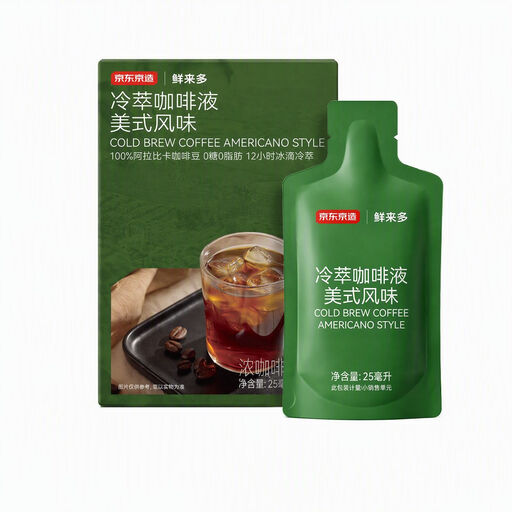
This pouch-format concentrate is an option for campers who can bring water and mix individual drinks; it is not a ready-to-drink 2-litre bottle.
 No image available
J.ZAO Americano Cold Brew Coffee Liquid, 25ml × 10 Pouches
The individual pouches suit campers who can bring water and mix drinks as needed.
The pack contains ten 25ml pouches and is described as zero sugar and zero fat. It is concentrate, not a ready-to-drink 2-litre bottle; check the pack for mixing, caffeine and opened-pouch storage directions.
View on Joybuy
Questions about camping with cold brew
Can two bottles of Tesco concentrate make 2 litres of cold brew?
Yes, when prepared at Tesco Groceries’ stated 1:1 ratio. Mixing each 500ml bottle with 500ml water makes about 1 litre, so two bottles make about 2 litres before ice, milk or other additions.
Will a cool box keep drinks that need chilling cold all weekend?
Do not rely on it without checking the temperature. The Food Standards Agency advises keeping food that requires chilling below 5°C and says a cool box is unlikely to maintain chilling for an extended period. Follow the drink’s label and plan cooling for the full trip.
Does unopened M&S Classic Latte Cold Brew need refrigeration?
Marks & Spencer’s product directions say to store the unopened 250ml Classic Latte in a cool, dry place. Check the can you buy, and follow its separate directions once opened.
Are all cold-brew drinks dairy-free and suitable for coeliacs?
No. M&S Classic Latte contains semi-skimmed milk, while M&S states that its Oat Latte is not suitable for coeliacs or people with a wheat allergy. Check the ingredients and allergen statement of the exact drink before buying for a group.
How can I keep track of caffeine in a shared batch?
Check the exact product’s caffeine information and preparation directions, then consider the number of servings poured and any other caffeinated drinks consumed. A large finished batch does not, by itself, tell you how much caffeine is in each cup.


