Cold-brew drinkers short on storage
If you make modest doses and put your equipment away after use, a compact manual grinder is worth considering. Check that its coarse adjustment suits cold brew as well as its place in the cupboard.


Choose a grinder with an adjustable coarse setting for cold brew, then match its capacity and storage footprint to your usual batch. A compact manual grinder suits modest doses if you are comfortable grinding by hand; an electric grinder reduces that work for regular batches, but its dimensions and electrical specifications need checking before purchase.
If you make modest doses and put your equipment away after use, a compact manual grinder is worth considering. Check that its coarse adjustment suits cold brew as well as its place in the cupboard.
If grinding by hand has become a chore, compare an electric grinder’s capacity with your usual dose. Cleaning access and the space it occupies matter alongside its grind range.
If you also make filter coffee or espresso, check the exact grinder’s stated adjustment range. A coarse setting alone does not establish that it can grind for espresso.
Start with the coarse setting you need for cold brew, then consider whether storage, repeated batches or other brew methods will drive your choice of grinder.
| Concern | What to check | Who this matters to |
|---|---|---|
| Storage and coarse adjustment | Check the grinder’s dimensions with its handle or lid in place, and confirm an adjustable coarse setting on the exact model. | If I have to put the grinder away after every use, I need it to fit my storage space without giving up a suitable coarse setting. Around 43% of consumers put that combination first. |
| Batch workflow | Compare stated bean or grounds capacity with your usual dose, and check how you access the burrs or grounds path for cleaning. | Making cold brew regularly, I want to avoid repeated fills and lengthy hand-grinding sessions. That is the primary concern for around 29% of consumers. |
| Other brew methods | Check the exact model’s stated range; if you make espresso, confirm that it is explicitly intended for espresso grinding. | Cold brew is only one of the coffees I make, so I need settings for my other brew methods too. Around 28% of consumers prioritise that flexibility. |
A grinder that fits the cupboard is not necessarily suited to cold brew. Sage Appliances advises coarser grounds for long brewing methods such as cold brew.
Check that the exact grinder has an adjustable coarse setting, rather than relying on its compact description.
A small grinder may need more than one fill for your usual recipe. Hario UK marks the Mini Mill PLUS grounds bowl up to 24 g, while OXO states a 50 g bean capacity for its Compact Conical Burr Coffee Grinder; those figures describe different containers, not comparative grind performance.
Note how much coffee you grind for a batch and compare that amount with each model’s stated capacity.
Specifications on a product page aimed at another market do not establish the plug, voltage or seller support for the version you would receive.
Check the exact product and seller listing for its electrical specification, plug, applicable conformity information and support arrangements before ordering.
Wilfa UK announced in July 2026 that the Svart and original Uniform ranges were being discontinued, identifying Zense and Uniform Evo as successors.
If you are considering a Svart, check the exact model and its warranty terms rather than applying an older review to Zense.
A manual-grinder option for modest doses and put-away storage.
An electric-grinder range to examine if you use more than one brew method.
A range to examine if espresso as well as cold brew is part of the plan.
A compact electric-grinder example for comparing countertop and storage dimensions.
These manual and electric grinders offer different ways to manage cold-brew preparation in a small kitchen. Compare the stated features with your storage space and usual dose, and confirm a suitable coarse setting for the exact model you choose.
 No image available
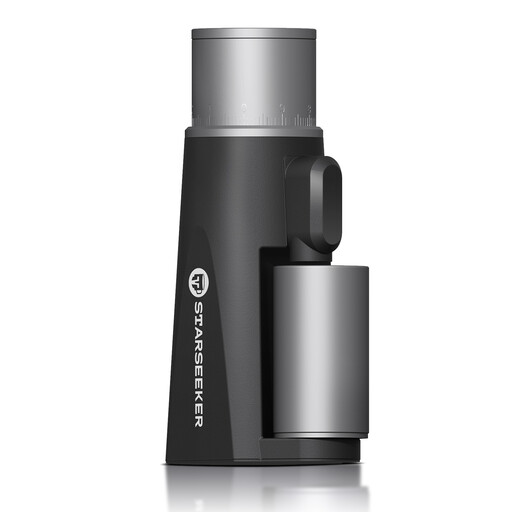
Consider this cordless model if you want electric grinding without a mains lead on the worktop. Its name identifies espresso and pour-over use; check its cold-brew coarse setting, capacity and storage dimensions against your needs before choosing it.
Confirm the electrical specifications and seller support for the exact unit offered.
 No image available
This electric option may suit consumers who want less hand grinding while using several brew methods. Its stated 30 settings span espresso to French press; confirm that its coarsest usable setting suits your cold-brew recipe.
Check capacity and the electrical specifications of the exact unit before ordering.
 No image available
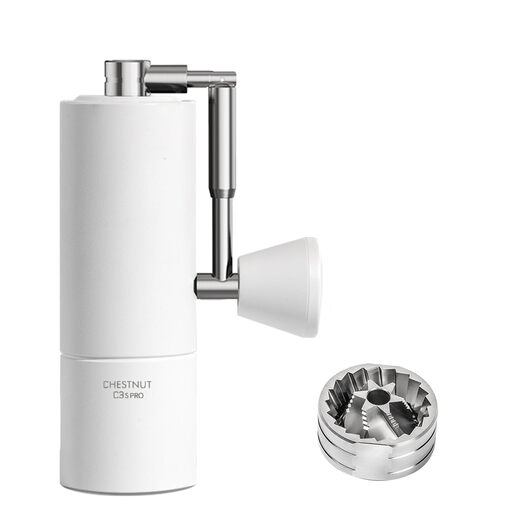
Consider this hand grinder if putting equipment away matters more than avoiding manual effort. It has an S2C conical burr and a foldable handle, with adjustment described from espresso to French press.
Check the folded dimensions, your usual dose and whether its coarse setting works for cold brew.
 No image available
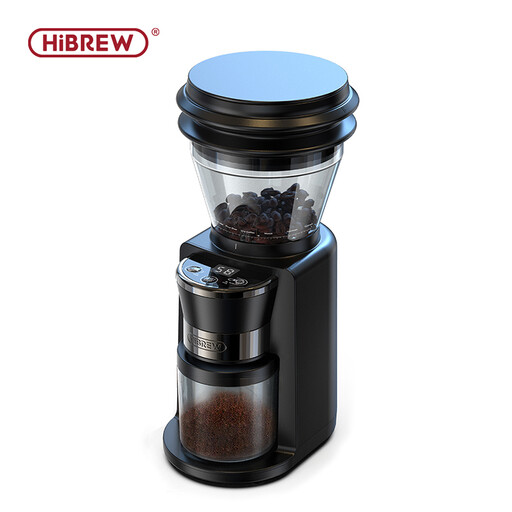
Its stated capacities make this model worth comparing with your dose if you prepare larger or repeated batches. The name specifies a 210 g bean container, a 100 g grounds container, a 48 mm conical burr and 34 grind settings.
Measure your available storage space and confirm the cold-brew coarse setting, plug and electrical specifications for the exact unit.
 No image available
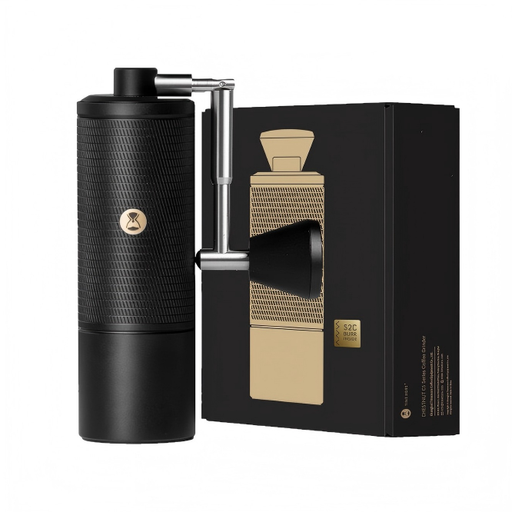
This manual model is an option if you would rather grind by hand than keep an electric appliance in the kitchen. Check its capacity, dimensions and usable coarse range against your batch and storage space before deciding.
Start with an extra-coarse setting, then adjust after checking the flavour and how readily the brew filters. Sage Appliances advises coarser grounds for longer brewing methods such as cold brew.
A blade grinder can break up beans, but an adjustable burr grinder gives you a clearer way to select a coarse setting. Batch Coffee notes that blade grinding produces varied particle sizes; check that the burr model you choose reaches the range you need.
Choose manual if storage and modest doses take priority and you accept hand grinding; consider electric if you make batches regularly and want less physical work. Compare capacity and dimensions for the exact models rather than assuming either type will fit your space.
Use them to identify features to compare, not to assume the unit offered to you has the same plug or electrical specifications. Check the exact seller listing and product documentation, including the applicable conformity information; GOV.UK’s electrical-equipment guidance distinguishes Great Britain from Northern Ireland arrangements.
Check your local authority’s electrical-recycling arrangements or ask the retailer about take-back options rather than assuming the grinder belongs in ordinary rubbish. GOV.UK describes waste electrical and electronic equipment arrangements intended to support recovery, reuse and recycling.