Shoppers comparing total sugars
If you want cold coffee with lunch, the distinction between 0g total sugars and 'no added sugar' matters. The NHS notes that naturally occurring milk sugars still appear in the total-sugars figure on food labels.


If zero total sugar is the priority, choose a black cold brew whose nutrition panel confirms 0g sugars; Coffee Friend UK lists 0g per 100ml for the Sandows ready-to-drink bottle. If you prefer a latte, compare total sugars on the nutrition panel rather than relying on a 'no added sugar' claim, then check ingredients, caffeine and storage instructions for the drink you will pack.
If you want cold coffee with lunch, the distinction between 0g total sugars and 'no added sugar' matters. The NHS notes that naturally occurring milk sugars still appear in the total-sugars figure on food labels.
An oat latte may suit someone avoiding dairy, but that does not settle other allergen questions. Marks & Spencer states that its Oat Latte Cold Brew Coffee is not suitable for people with coeliac disease or a wheat allergy.
A bottle's caffeine needs to be considered alongside coffee, tea and other sources consumed that day. This is particularly relevant during pregnancy, when Food Standards Scotland and the Food Standards Agency advise a daily limit of 200mg from all sources.
Start with the nutrition panel and ingredients, then check whether the drink's caffeine figure, preparation and storage instructions fit your working day.
| Priority | What to check | Your needs |
|---|---|---|
| Total sugars | Read total sugars per 100ml and the amount you expect to drink. Check the nutrition panel separately from any 'no added sugar' claim: Sainsbury's lists 4.8g sugars per 100ml for Rodd's Original Latte despite that claim. | I want to know whether my lunch drink has 0g total sugars or simply no added sugar. |
| Ingredients and allergens | Check for milk and the product's allergen statement. Marks & Spencer describes its oat cold-brew latte as dairy-free but not suitable for people with coeliac disease or a wheat allergy. | A latte-style coffee appeals to me, but I need its ingredients to match my specific dairy or allergen requirements. |
| Caffeine | Compare figures on the same basis: Sainsbury's lists 41mg per 250ml Rodd's bottle, while Coffee Friend UK lists 40.5mg per 100ml for its 200ml Sandows bottle. Count the whole drink alongside other caffeine consumed that day. | I need to account for the coffee I pack as well as drinks I have elsewhere. During pregnancy, the Food Standards Scotland and Food Standards Agency guidance sets a 200mg daily limit from all sources. |
| Storage | Read the instructions for the exact pack. Sainsbury's says to store Rodd's Original Latte at a maximum of +7°C and refrigerate it after opening. | Will I be able to keep this drink at its required temperature until lunch? |
| Preparation | Check whether the coffee is ready to drink or a concentrate. Joybuy directs shoppers to mix a J.ZAO 25ml pouch with about 200ml of cold or hot water. | I can pack a bottle to drink immediately, or bring water and a cup to prepare a concentrate at work. |
A no-added-sugar latte can still list total sugars. Sainsbury's gives 4.8g per 100ml for Rodd's Original Latte, while Coffee Friend UK gives 0g per 100ml for Sandows black cold brew.
If you require 0g total sugars, check that figure on the nutrition panel rather than relying on the front-of-pack claim.
A milk-based drink is not dairy-free. Separately, Marks & Spencer says its dairy-free oat cold-brew latte is not suitable for people with coeliac disease or a wheat allergy.
Check the ingredients and allergen statement against the particular ingredient you need to avoid.
The sugar figure does not tell you the caffeine content. Food Standards Scotland and the Food Standards Agency advise counting caffeine from coffee alongside other dietary sources.
Use the figure for the whole bottle or cup when considering your day's intake, including the 200mg daily limit their guidance recommends during pregnancy.
Some ready-to-drink coffees have specific storage requirements: Sainsbury's gives a maximum of +7°C for Rodd's Original Latte.
Follow the exact pack instructions and make sure you can maintain the required temperature until you drink it.
A ready-to-drink black cold brew to consider when you want coffee without a milk or oat-latte base.
An oat-latte option for someone who wants a dairy-free cold coffee rather than black cold brew.
Its Oat Latte Cold Brew Coffee is a dairy-free, latte-style option for a packed lunch.
A milk-based iced coffee option for someone who does not need a dairy-free drink.
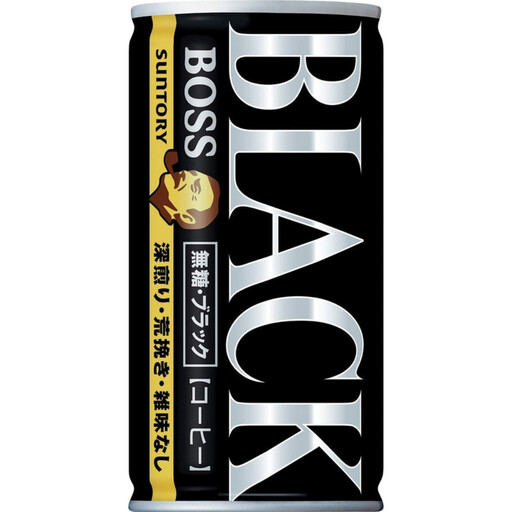
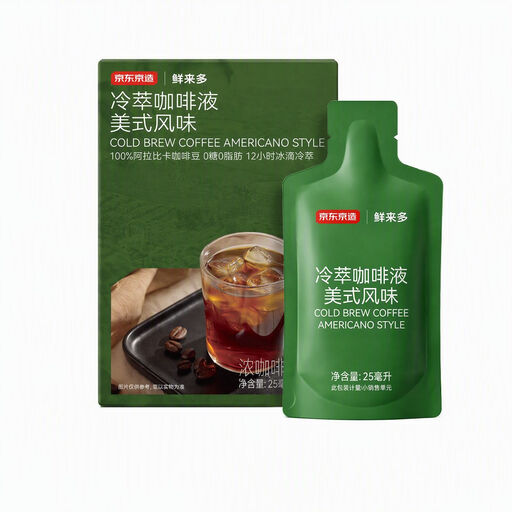
These options cover a sugar-free canned black coffee and a zero-sugar cold-brew concentrate. One is ready to pack as a drink; the other needs water and a cup at work.
 No image available
A canned black coffee for a lunch when you want a ready-to-drink option rather than a latte. The 185g can is labelled sugar free. Check the pack for its caffeine content, allergen advice and whether it is cold brewed if that preparation method matters to you.
 No image available
A cold-brew concentrate to prepare at work rather than a ready-to-drink bottle. Joybuy directs you to mix one 25ml pouch with about 200ml of water and lists 0g sugars per 100ml of concentrate. Check the pack's energy information and caffeine content if you need to compare prepared servings.
No. The total-sugars figure can still be above zero: Sainsbury's lists 4.8g per 100ml for Rodd's no-added-sugar Original Latte. The NHS explains that naturally occurring sugars in milk appear in the total-sugars figure on labels; check the panel if 0g total sugars is your requirement.
Start with total sugars on a consistent label basis, such as per 100ml, then consider how much of the pack you will drink. Keep the units in view: Marks & Spencer gives figures per 100g for its Oat Latte Cold Brew Coffee, which should not be treated as a per-100ml figure.
No. A drink made with milk is not dairy-free even if it is labelled lactose-free. Waitrose & Partners lists partly skimmed milk in Emmi Caffè Latte Skinny; check the ingredients and allergen statement for the exact drink.
Follow the temperature stated on its pack and plan how to maintain it until lunch. Sainsbury's says to store Rodd's Original Latte at a maximum of +7°C, so do not assume an ordinary unrefrigerated bag will meet its instructions.
Food Standards Scotland and the Food Standards Agency advise a limit of 200mg caffeine per day during pregnancy, counting coffee alongside other sources. Check the amount for the drink you will consume: Sainsbury's lists 41mg for a 250ml Rodd's bottle, while Waitrose & Partners lists 80mg per cup for Emmi Caffè Latte Skinny.