Hosts serving a mixed food table
A black cold brew or concentrate lets guests add water or milk to their own drink. Keep any dairy-free or decaffeinated cans clearly separate, and leave their packaging available so guests can check the ingredients.


Choose black cold brew or a concentrate if you want guests to adjust the water, milk and additions in each serve; choose a ready-to-drink latte when you need individual drinks with no mixing. For a mixed festival-food table, offer a separately labelled dairy-free or decaffeinated option where needed, and check each pack’s allergens and storage instructions before serving.
A black cold brew or concentrate lets guests add water or milk to their own drink. Keep any dairy-free or decaffeinated cans clearly separate, and leave their packaging available so guests can check the ingredients.
A ready-to-drink can avoids measuring and mixing at the table. Check its storage instructions before planning how to transport it and keep it during the event.
The exact drink matters more than the word “oat” or “cold brew”. For example, M&S states that its Oat Latte Cold Brew is not suitable for coeliacs or people with a wheat allergy; a decaffeinated drink must also be identified on its own pack.
Start with how you will serve the coffee, then choose a flavour direction and check the packs against your guests’ dietary needs and the event’s storage arrangements.
| Priority | What to check | Your needs |
|---|---|---|
| Serving format | Check whether the drink is ready to serve or must be diluted or dissolved. A concentrate needs water or milk, cups and mixing; a ready-to-drink can does not. | I have limited time or equipment, so individual cans may be easier to serve. If guests want different additions, I can set up a mixing station instead. |
| Food pairing | Look for a stated flavour profile rather than assuming all cold brews taste alike. Ozone Coffee UK describes espresso blends as typically bold and chocolatey; treat pairing suggestions as a starting point, not a guaranteed match. | With chocolate desserts, I might try a coffee described as chocolatey. For a varied spread, I would leave milk or water available so guests can adjust their drinks. |
| Ingredients and allergens | Read the pack’s ingredients and allergen statement. M&S says its Oat Latte Cold Brew is dairy-free but not suitable for coeliacs or people with a wheat allergy. | I need guests to tell dairy, oat and other ingredient choices apart before taking a drink. An oat latte cannot be assumed suitable for everyone avoiding gluten or wheat. |
| Caffeine and sweetness | Confirm whether the exact drink is decaffeinated and check its ingredients and nutrition label. Sainsbury’s lists the Nolo decaf oat latte as having no added sugar or sweeteners; that wording does not give its total sugar content. | Some guests may ask for decaf, while others may prefer to add milk or sweetness themselves. I would identify each option by its pack rather than by the colour of the drink. |
| Storage | Check the temperature required before opening and the instructions after opening. Sainsbury’s lists Rodd’s oat latte as needing storage at a maximum of +7°C, whereas the Nolo decaf can states +2°C to +25°C before opening. | If I cannot maintain chilled storage, I need to choose a product whose own label permits my planned transport and serving arrangements. |
Dairy-free and coeliac suitability are different questions. M&S specifically says its Oat Latte Cold Brew is not suitable for coeliacs or people with a wheat allergy.
Keep the original packaging at the serving table and check each drink’s allergen statement before offering it to someone with an allergy or dietary restriction.
Cold-coffee packs do not all have the same temperature requirements. Sainsbury’s lists Rodd’s oat latte as a chilled product that must be stored at a maximum of +7°C.
Read the specific pack before the event. If it requires chilled storage, arrange a way to maintain its stated temperature rather than relying on the serving location to be cool.
A chilled product may require a cool box and ice packs during transport and serving.
A ready-to-drink latte fixes the milk and flavour in each can, leaving guests less scope to change their drink alongside different foods.
If you have the equipment, offer plain cold brew or concentrate with water and optional milk separately, alongside any ready-to-drink choices.
The physical pack identifies the drink being served and carries the ingredient, allergen, date and storage information guests may need.
Check that pack when buying and again before serving, particularly if you purchased several similar-looking dairy, oat or decaf drinks.
These references illustrate different drink formats and label checks; a retailer’s wider iced-coffee range does not mean every item is cold brew or available at a particular shop.
Its ready-to-drink cold-brew latte range includes dairy and oat versions.
Its listings include oat cold-coffee drinks with different caffeine and storage requirements.
Its iced-coffee category includes individual drinks and espresso concentrates.
Its listed Grind Iced Vanilla Oat Latte is a flavoured, plant-based cold-coffee option.
Sandows describes itself as a London cold-brew producer.
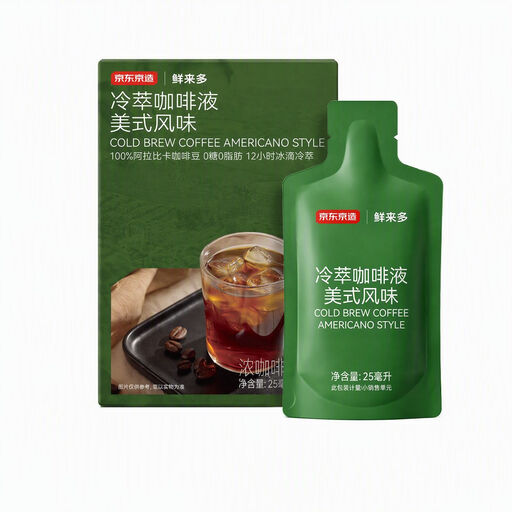
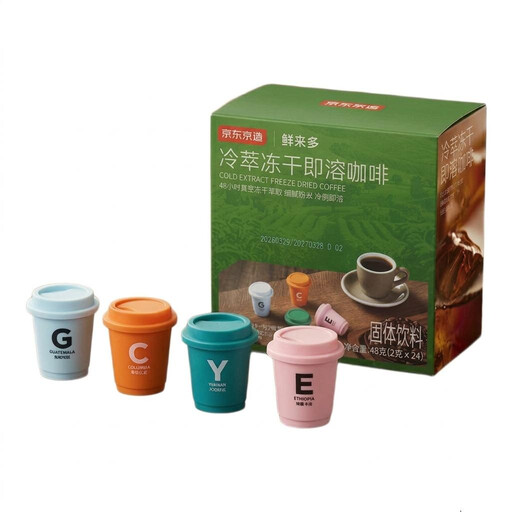
These options are for mixing individual cold-coffee serves: one is cold-brew coffee liquid, while the other is freeze-dried instant coffee that can be prepared with cold water. The instant coffee should not be treated as a confirmed cold-brew extract.
 No image available
The individual pouches suit a serving station where guests can adjust their cold-coffee drinks. Each 25 ml pouch needs water, a cup and stirring; check the pack for caffeine information if that affects your choice, rather than assuming it is decaffeinated.
 No image available
These individual portions offer a plain coffee base to mix with cold water. This is freeze-dried instant coffee, not confirmed cold-brew extract; check the supplied flavour before choosing it for a particular food pairing, and check the pack if caffeine content matters.
A chocolatey espresso-style profile is a reasonable starting point: Ozone Coffee UK describes espresso blends as typically bold and chocolatey. Flavour pairings are preferences rather than guarantees, so a plain drink with optional milk or water gives guests room to adjust it.
No. Marks & Spencer states that its Oat Latte Cold Brew Coffee is not suitable for coeliacs or people with a wheat allergy, despite being dairy-free. Check the exact pack’s allergen statement rather than substituting another oat drink on that basis.
It depends on the can’s storage instructions. M&S lists cool, dry storage for its Classic Latte, while Sainsbury’s lists Rodd's oat latte as needing to stay at a maximum of +7°C. The listed Nolo decaf can permits +2°C to +25°C before opening, then calls for refrigeration and consumption within 24 hours after opening.
Read the ingredients and allergens, net quantity, date and storage instructions on the pack you will serve. UK food-labelling guidance from GOV.UK states that prepacked food must display ingredients including allergens, its weight or volume, and a best-before or use-by date, among other required information.