Hosts avoiding added sugar
If you are serving coffee to a group, check the no-added-sugar wording and the sugars line separately. A cold brew or iced latte does not qualify just because it is served cold.


For a black cold brew with 0g listed sugars, Sandows is a coffee-and-water option; for a plant-based latte explicitly labelled no added sugar, choose Rodd’s Original Cold Brew Oat Latte. Rodd’s still lists sugars, and the two drinks differ in caffeine and storage requirements, so check the exact bottle before buying for a group.
If you are serving coffee to a group, check the no-added-sugar wording and the sugars line separately. A cold brew or iced latte does not qualify just because it is served cold.
An oat cold-brew latte offers a dairy-free format, but it can contain naturally occurring sugars. Check its gluten declaration and whether you have room to keep it chilled.
A coffee-and-water drink may suit guests who do not want milk or an oat latte. Check caffeine for the whole bottle, particularly if the game runs late.
Decide whether guests want black coffee or a latte, then check sugar, caffeine, allergens and storage on the specific drink.
| Priority | What to check | Your needs |
|---|---|---|
| Sugars and sweeteners | Read the no-added-sugar claim, sugars per 100ml and ingredients separately. Sainsbury’s lists 4.8g sugars per 100ml for Rodd’s no-added-sugar oat latte; Coffee Friend lists 0g per 100ml for Sandows black cold brew. | I want to avoid added sugar, but I also need to know whether the drink contains naturally occurring sugars or sweeteners. |
| Caffeine | Compare caffeine for the amount each guest will drink, not just a per-100ml figure. Sainsbury’s states 41mg per bottle for Rodd’s; Coffee Friend lists 40.5mg per 100ml for Sandows, about 81mg in its 200ml bottle. | For an evening game, I want to offer a serving that fits guests’ preferences and takes account of other caffeine they have had that day. |
| Ingredients and allergens | Check the current pack for milk, oat, gluten and wheat information. Rodd’s is plant-based but contains gluten; M&S says its oat cold brew is unsuitable for people with coeliac disease or a wheat allergy. | A dairy-free choice may work for one guest without meeting another guest’s gluten or wheat requirements. |
| Storage and servings | Read storage and after-opening directions and plan fridge space. Ocado says to keep Rodd’s at a maximum of +7°C and refrigerate it after opening; M&S says to store its oat cold brew in a cool, dry place. | I need drinks that can be stored correctly before and during a long game, with bottle sizes that suit the group. |
| Cold-brew format | Confirm that the product says cold brew and whether it is ready to drink or needs dilution. A no-added-sugar iced coffee is not necessarily a cold brew. | If cold brew is the point, I do not want to pick an iced latte on the strength of its sugar claim alone. |
Naturally occurring sugars can remain. Sainsbury’s lists 4.8g sugars per 100ml for Rodd’s no-added-sugar oat latte, while Coffee Friend lists 0g per 100ml for Sandows black cold brew.
Compare the sugars line and ingredients if the amount of sugar or the presence of sweeteners matters to your group.
Rodd’s states 41mg per bottle; Coffee Friend lists 40.5mg per 100ml for Sandows, or about 81mg in its 200ml bottle. The serving size changes the comparison.
Check caffeine on the exact product and offer a non-caffeinated alternative for guests who prefer one in the evening.
A plant-based drink can still contain gluten: Rodd’s does, and Ocado says it must be refrigerated. M&S says its oat cold brew is unsuitable for people with coeliac disease or a wheat allergy.
Check each pack’s allergen and storage instructions before choosing drinks for a shared occasion.
Waitrose lists no-added-sugar Emmi and Starbucks iced coffees, but those product descriptions do not identify them as cold brew.
If the brewing method matters, look for an explicit cold-brew description as well as the sugar information.
These examples illustrate different drink formats and label checks; an iced coffee is included only as an alternative, not as a confirmed cold brew.
A ready-to-drink black cold brew for guests who prefer coffee without a latte base.
Its Original Cold Brew Oat Latte is a chilled, plant-based latte explicitly described as no added sugar.
Its oat latte is a cold-brew, dairy-free format stored in a cool, dry place.
Its Skinny Iced Coffee is a chilled no-added-sugar iced-coffee alternative, not a confirmed cold brew.
Its Skinny Latte Lactose Free Iced Coffee is a no-added-sugar iced-latte alternative, not a confirmed cold brew.
This black cold-brew concentrate offers a way to prepare individual no-sugar coffee servings for game night; unlike the bottled drinks above, it needs diluting.
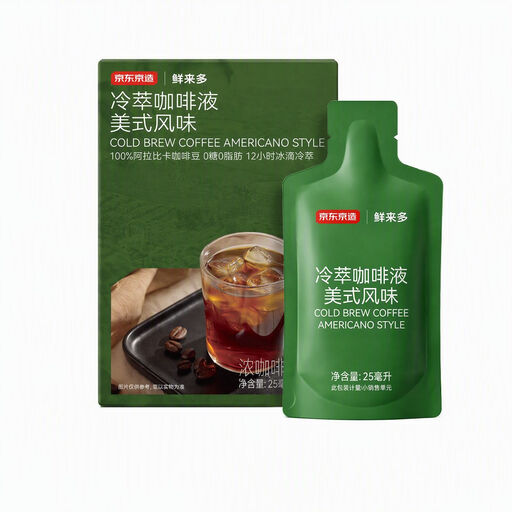 No image available
The individual pouches can be mixed with cold water for game-night servings. This is a concentrate, not a ready-to-drink bottle: the directions say to dilute one pouch with about 200ml of water. The product is described as zero sugar, and its listed nutrition states 0g sugars per 100ml; check caffeine per prepared serving if guests are limiting it.
No. Naturally occurring sugars can still be present: Sainsbury’s lists 4.8g sugars per 100ml for Rodd’s no-added-sugar oat latte. Check the nutrition panel as well as the claim on the pack.
Yes. Waitrose lists sweeteners in the ingredients of the no-added-sugar Emmi and Starbucks iced coffees. Read the ingredients if avoiding sweeteners matters to your group; neither product is identified as cold brew in those listings.
Coffee Friend lists Sandows as a coffee-and-water black cold brew, while Ocado identifies Rodd’s oat cold-brew latte as plant-based. Rodd’s contains gluten, and M&S says its dairy-free oat cold brew is unsuitable for people with coeliac disease or a wheat allergy, so check each guest’s requirements against the pack.
Compare the amount in the serving each person will actually drink. Sainsbury’s states 41mg per bottle for Rodd’s, while Coffee Friend lists 40.5mg per 100ml for Sandows, about 81mg in its 200ml bottle. Account for other caffeine consumed that day.
No; follow the instructions for the particular drink. Ocado says to keep Rodd’s at a maximum of +7°C and to refrigerate it after opening, whereas M&S says to store its oat cold brew in a cool, dry place.