Shoppers watching sugars alongside snacks
If the snack is already sweet, you may prefer an unsweetened black coffee or a drink labelled 0g sugars. A concentrate also lets you choose what to add when preparing it.


If you want a drink with no sugars alongside gaming snacks, look for a black cold brew whose nutrition label states 0g sugars; a latte labelled ‘no added sugar’ can still contain sugars. Choose a dairy-free variant when avoiding dairy or a decaf variant when reducing caffeine, and check the particular pack’s ingredients, allergens and storage directions.
If the snack is already sweet, you may prefer an unsweetened black coffee or a drink labelled 0g sugars. A concentrate also lets you choose what to add when preparing it.
A dairy-free oat latte and a lactose-free milk latte meet different requirements. Check the ingredients and allergens of the specific drink rather than relying on its coffee style.
Cold brewing does not make a coffee decaffeinated. Look for a decaf variant if reducing caffeine matters, and check the pack of any caffeinated option for serving information.
Start with the distinction that matters most to you—sugars, milk ingredients or caffeine—then check whether the drink is ready to serve or needs preparing.
| Priority | What to check | Your needs |
|---|---|---|
| Sugars | Compare ‘unsweetened’, ‘no added sugar’ and the ‘of which sugars’ figure per 100ml or serving. Check additions if using a concentrate. | I want to choose how much sweetness goes into my drink. Sainsbury’s lists 4.8g sugars per 250ml can for Nolo’s no-added-sugar oat latte, so that claim alone would not meet a 0g-sugars requirement. |
| Caffeine | Look for a decaf designation or the caffeine amount for the serving you plan to drink. Do not assume cold brew has less caffeine. | For a later gaming session, I would look for decaf rather than judge caffeine by the words ‘cold brew’. The NHS advises consuming caffeine in moderation. |
| Milk ingredients | Distinguish dairy-free oat drinks from lactose-free milk drinks. Read the full ingredient and allergen declaration. | I need to avoid dairy itself, not just lactose; an oat latte may fit that requirement, but I still need to check its other ingredients. |
| Preparation and storage | Check whether the coffee needs dilution and whether it requires chilling or has a time limit after opening. | A drink I can open during a session suits me differently from a concentrate I need to mix. For a larger container, I also need to follow its own storage directions. |
Naturally occurring sugars can remain in a latte with no added sugar. Sainsbury’s lists 4.8g sugars per 250ml can for Nolo’s oat latte.
If 0g sugars is your criterion, check the ‘of which sugars’ figure for the serving rather than relying on the front-of-pack phrase.
A cold-brew coffee can still contain caffeine; decaf is a separate product choice. The NHS advises pregnant people not to exceed 200mg of caffeine a day from all sources.
Choose a decaf variant when reducing caffeine, and check caffeine information for the specific caffeinated drink and serving.
Tesco describes Starbucks Skinny Latte as a lactose-free milk drink, whereas M&S describes its oat cold brew as dairy-free. The claims do not mean the same thing.
Match the claim to what you need to avoid, then read the current ingredient and allergen declaration.
Chilled coffees can have different instructions once opened. Sainsbury’s directions for Nolo specify refrigeration and consumption within 24 hours; its Rodd’s listing allows up to three days when refrigerated.
Check the directions on your own container before deciding whether a multi-serve format suits your plans.
These examples show how particular drinks differ; a brand name alone does not establish a drink’s sugars, milk ingredients or caffeine.
An unsweetened cold-brew concentrate for shoppers who want to prepare their own drink.
Cold-brew latte variants with different milk ingredients.
A ready-to-drink black cold brew rather than a milk-based latte.
A decaf, dairy-free cold-brew oat latte.
A chilled latte reference for a shopper seeking lactose-free milk, rather than a confirmed cold brew.
These options cover a portioned cold-brew coffee liquid and an unsweetened black coffee. Check the UCC product type if cold-brew preparation is essential to your choice.
 No image available
The portioned format lets you prepare one drink alongside snacks. Check the directions before serving: the product information describes adding water despite also calling it ready to drink. If you are managing caffeine, check the amount per prepared serving on the pack.
 No image available
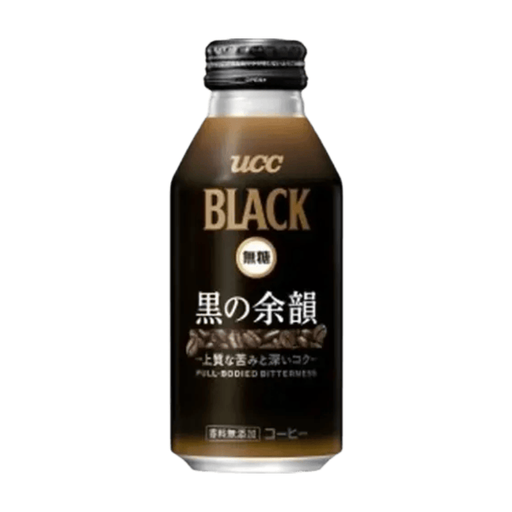
An unsweetened black coffee option when you do not want a milk-based latte with your snacks. If cold brew is essential, check the stated preparation method; check the current pack for nutrition and caffeine details relevant to your choice.
No. Naturally occurring sugars can remain: Sainsbury’s lists Nolo’s no-added-sugar oat latte at 1.9g sugars per 100ml and 4.8g per 250ml can. Check the nutrition panel when zero sugars matters to you.
An unsweetened concentrate lets you choose the dilution and any milk or other additions. Tesco Groceries describes its Finest cold brew as an unsweetened concentrate; check its preparation directions and the ingredients of anything you add.
No. Tesco describes Starbucks Skinny Latte as a lactose-free milk drink, while M&S describes its oat cold brew as dairy-free. Read the specific pack’s ingredients and allergens to match your requirement.
Choose a product labelled decaf if your aim is to reduce caffeine; cold brew is not inherently decaffeinated. Sainsbury’s describes Nolo’s oat cold-brew latte as decaffeinated. The NHS advises consuming caffeine in moderation and advises pregnant people not to exceed 200mg a day from all sources.
Check the current pack’s ingredients, allergens, nutrition, date and storage directions, as well as caffeine information where supplied. Follow that drink’s instructions after opening: Sainsbury’s lists different refrigerated consumption periods for Nolo and Rodd’s.