People making a quick hot coffee
An instant coffee jar fits a routine built around hot water and cupboard storage. Check the particular jar’s preparation directions rather than relying on its format alone.


For a quick hot winter coffee, choose an instant coffee jar with directions for hot preparation rather than assuming a cold-brew drink will serve the same purpose. Ready-to-drink cold brew suits a chilled coffee, while an iced-coffee concentrate lets you add your own milk or water but may be intended for serving over ice. Check each pack’s preparation, ingredients and storage instructions before deciding.
Start with the drink you intend to make: a hot cup, a chilled coffee or a drink you mix yourself.
An instant coffee jar fits a routine built around hot water and cupboard storage. Check the particular jar’s preparation directions rather than relying on its format alone.
A ready-to-drink bottle or flask makes sense if a cold coffee is what you want, even in winter. Marks & Spencer describes its cold-brew latte as a drink to enjoy straight from the fridge; the Sandows product described by Coffee Friend UK is ready to drink from a flask or over ice.
Look at the specific drink, not just the words ‘cold brew’. The Sainsbury’s listing for Nolo describes a decaffeinated oat latte that contains oat and is dairy-free, whereas the Marks & Spencer latte contains semi-skimmed milk.
Choose the serving format first, then compare ingredients, caffeine information and storage against how often you expect to make a drink.
Choose it when: You want a quick hot cup from a jar; check that the product gives hot-preparation directions.
Trade-off: Instant coffee is not the same product as ready-to-drink cold brew.
Choose it when: You want a coffee intended to be drunk chilled without mixing it.
Trade-off: The Marks & Spencer and Sandows examples are presented for chilled drinking, not as preparations for a hot cup.
Choose it when: You want to add your own milk or water to an iced drink.
Trade-off: Tesco’s directions for the Starbucks concentrate specify serving it over ice, so do not assume it is intended for hot preparation.
| Priority | What to check | Your needs |
|---|---|---|
| Serving temperature | Read the preparation directions. Check whether the product is instant coffee for hot water, a chilled ready-to-drink coffee or a concentrate with specified mixing instructions. | I’m making a warming cup, so a product intended only for drinking chilled or over ice would not meet that need. |
| Ingredients | Check the current ingredients and allergen declaration for milk or oat. Compare sugar information on the pack if that matters to your choice. | I avoid dairy or oat, so I need to distinguish a milk latte, an oat latte and black coffee rather than treating them as interchangeable. |
| Caffeine | Compare caffeine information for the serving you will make. Check whether a product is labelled decaffeinated rather than assuming cold brew has less caffeine. | If I’m reducing caffeine, I want to know what the label says about the particular drink and serving size. |
| Storage | Read both unopened and after-opening instructions. Tesco says its Starbucks iced-coffee concentrate must be refrigerated after opening and consumed within 14 days; its Douwe Egberts Pure Gold instant jar calls for cool, dry storage. | I make coffee occasionally, so I need a quantity and storage routine that fit how quickly I will use it. |
Marks & Spencer presents its cold-brew latte as ready to enjoy from the fridge, while Tesco’s directions for the Starbucks concentrate specify ice.
Decide on serving temperature before choosing a format. For a hot cup, check for explicit hot-preparation instructions.
Sainsbury’s Tia Maria cold-brew listing describes a liqueur containing rum and labelled 20% Alc/Vol. It is not a non-alcoholic cold-brew coffee.
Check the product category and alcohol statement, especially when browsing results that share the words ‘cold brew’.
The Marks & Spencer cold-brew latte contains semi-skimmed milk. Sainsbury’s describes the Nolo cold-brew oat latte as dairy-free, but it contains oat.
Read the current ingredients and allergen declaration before switching between milk, oat and black-coffee products.
Tesco instructs shoppers to refrigerate its Starbucks iced-coffee concentrate after opening and consume it within 14 days.
Choose a pack size you expect to use within its stated period, and check the storage directions on the pack you buy.
These product examples illustrate differences between formats; a retailer name alone does not tell you how a coffee should be prepared.
Marks & Spencer describes its Classic Latte Cold Brew Coffee as a ready-to-drink chilled latte.
Tesco’s listings show why it matters to identify the product format rather than shop by retailer alone.
Sainsbury’s iced-coffee listings include drinks and concentrates with different ingredients and serving directions.
Sandows makes cold brew, and the product described by Coffee Friend UK is ready to drink.
These options include instant coffee jars and portioned liquid concentrates. For a hot winter drink, check each product’s stated preparation method; a concentrate is not the same format as an instant jar.
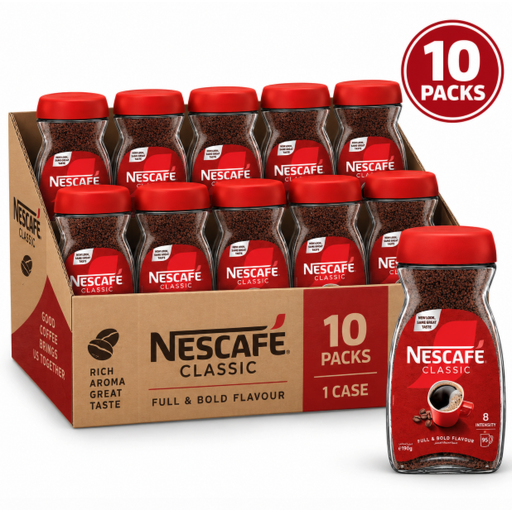 No image available
The product directions describe adding hot water for an instant coffee. This listing is for ten 190 g jars, so check whether that quantity fits your storage and use. Its storage directions call for keeping the jars sealed in a cool, dry place; the coffee contains caffeine.
 No image available
For a portioned hot drink, the stated directions say to dilute one 25 ml pouch with about 200 ml of hot water. This is a liquid concentrate, not an instant coffee jar or a ready-to-drink coffee; follow the dilution directions and check the pack for caffeine information if it matters to you.
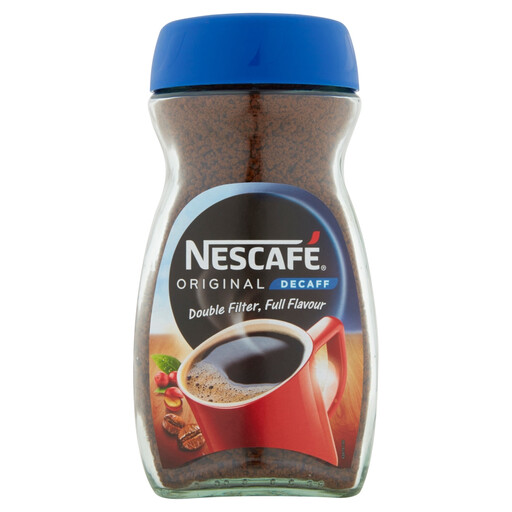 No image available
This jar contains decaffeinated soluble coffee for shoppers considering a decaf option. The stated storage condition is cool and dry. Check the current pack for hot-water preparation directions and caffeine information if either is important to your choice.
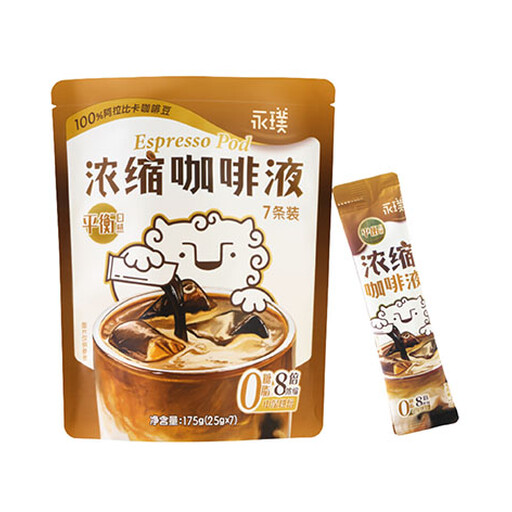 No image available
The product description says one stick can be mixed with hot or cold water, making this a portioned concentrate rather than an instant jar. Check the current pack for serving and storage directions, particularly if you are buying it for a hot drink.
Choose a product with hot-preparation directions if a warming cup is the aim. Marks & Spencer presents its cold-brew latte as a chilled drink, and the Sandows ready-to-drink product described by Coffee Friend UK is suggested for ice or drinking from a flask.
Not if you need the same jar format or are assuming it makes a hot drink. Tesco’s directions for the Starbucks concentrate specify mixing approximately 30 ml with 150 ml milk or water over ice; check other concentrates individually, as their directions may differ.
Check both the ingredients and the format. Sainsbury’s describes the Nolo cold-brew oat latte as dairy-free and decaffeinated, but it contains oat and is intended to be drunk chilled; the Marks & Spencer cold-brew latte contains semi-skimmed milk. For a hot drink, check the directions on any decaf jar you are considering.
They depend on the product. Tesco specifies cool, dry storage for its Douwe Egberts Pure Gold instant jar, while its Starbucks iced-coffee concentrate must be refrigerated after opening and consumed within 14 days. Follow the instructions on the pack you buy.
No. Sainsbury’s Tia Maria cold-brew listing describes an alcoholic liqueur containing rum and labelled 20% Alc/Vol, not a non-alcoholic ready-to-drink coffee. Check the category and alcohol statement before buying.