Shoppers watching their caffeine intake
A decaffeinated cold brew is a different choice from a caffeinated drink with no added sugar. Check the caffeine amount for the whole bottle or cup, particularly if timing matters to you.


For a chilled cold brew without added sugar, start with what matters most: Sainsbury's lists Nolo's oat latte as decaffeinated, while Coffee Friend UK lists 0 g sugars per 100 ml for Sandows black cold brew, which contains 40.5 mg caffeine per 100 ml. A no-added-sugar claim does not mean a milk- or oat-based drink contains no sugars, so compare the caffeine amount, ingredients and nutrition panel before choosing.
The useful distinction is not simply whether a drink says “no added sugar”, but whether its caffeine, coffee base and ingredients fit the person drinking it.
A decaffeinated cold brew is a different choice from a caffeinated drink with no added sugar. Check the caffeine amount for the whole bottle or cup, particularly if timing matters to you.
Milk- and oat-based coffees can list sugars despite a no-added-sugar claim. If your aim is to avoid sugars rather than added sugar alone, read the “of which sugars” line.
Black coffee, oat lattes and milk-based coffees answer different ingredient needs. A lactose-reduced dairy drink still contains milk, while an oat latte is not suitable for someone avoiding oat.
Choose the coffee base first, then compare the label on the amount you will actually drink—not just the claim on the front of the pack.
| Priority | What to check | Your needs |
|---|---|---|
| Caffeine | Check whether the drink is decaffeinated and whether caffeine is stated per 100 ml or per bottle. Sainsbury's lists 41 mg in a 250 ml bottle of Rodd's; Tesco lists an average 59 mg per 100 ml for Hunt and Brew. | I may want chilled coffee later in the day, so a no-added-sugar claim alone will not tell me whether its caffeine amount suits my routine. |
| Sugars and sweeteners | Read both the claim and “of which sugars” on the nutrition panel, using the same volume when comparing drinks. Sainsbury's lists 4.8 g sugars per 250 ml for Nolo, while Coffee Friend UK lists 0 g per 100 ml for Sandows; Waitrose lists sweeteners in Emmi. | If I mean no sugars at all, I need more than a no-added-sugar claim. I may also want to check separately for sweeteners. |
| Ingredients | Check the ingredients and allergen declaration for milk and oat. Tesco lists whole milk as 70% of Hunt and Brew; the Nolo and Rodd's oat lattes contain oat ingredients. | A black coffee, an oat latte and a milk-based coffee do not meet the same dietary requirements. |
| Storage and serving | Check whether the drink is ready to drink or needs preparation, and read its chilling and after-opening directions. Sainsbury's says to keep Rodd's chilled and use it within three days of opening. | For an occasional serving, I would choose a pack whose preparation and storage instructions fit when I plan to drink it. |
Milk- and oat-based drinks can contain sugars even when no sugar has been added. The Food Standards Agency distinguishes a no-added-sugar claim from a statement that a product contains naturally occurring sugars.
Compare the “of which sugars” figure per 100 ml and for the amount you intend to drink.
A figure per 100 ml is not a figure for the whole bottle. Coffee Friend UK lists 40.5 mg caffeine per 100 ml for Sandows; Sainsbury's gives Rodd's caffeine as 41 mg per 250 ml bottle.
Keep the unit alongside every caffeine figure, then compare the amounts you would actually consume. If caffeine is medically relevant to you, seek individual advice.
Oat-based lattes contain oat ingredients, while a lactose-reduced dairy iced coffee still contains milk. “Dairy-free” and “lactose-reduced” describe different characteristics.
Read the ingredients and allergen declaration on the pack you buy, even if you have bought the drink before.
A chilled drink may need refrigeration and have a short after-opening use period. Sainsbury's instructs shoppers to keep Rodd's chilled and consume it within three days of opening.
Check the directions for the individual drink and choose a serving size that fits how quickly you expect to use it.
These examples show how differently chilled coffees can meet a no-added-sugar brief; their labels and ingredients still need checking product by product.
Sainsbury's lists Nolo's 250 ml cold-brew oat latte as decaffeinated and made without added sugar or sweeteners.
Coffee Friend UK lists Sandows black cold brew as coffee and filtered water, rather than a milk or oat latte.
Tesco lists the 330 ml Huila Colombia Coffee as a milk-based cold brew with no added sugar.
Sainsbury's lists Rodd's Original Latte as a no-added-sugar cold-brew oat latte in a 250 ml bottle.
Waitrose lists Emmi Caffè Latte Skinny as a no-added-sugar dairy iced coffee—a nearby chilled-coffee option, not one labelled cold brew.
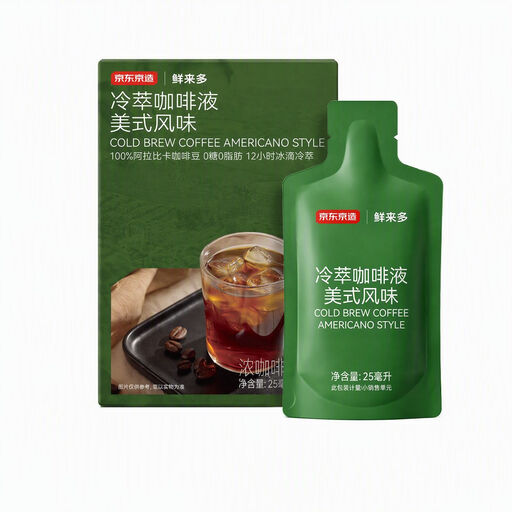
This option is a portioned black-coffee liquid to dilute, rather than a ready-to-drink chilled bottle. Check whether its preparation method and caffeine amount fit your reason for choosing cold brew.
 No image available
The individual pouches offer a portioned black-coffee option instead of an opened ready-to-drink bottle. The product name states zero sugar; each 25 ml pouch needs dilution with about 200 ml of hot or cold water. If the cold-brewing method or caffeine amount matters to your choice, check the product details before buying.
No. A drink can have no added sugar and still contain naturally occurring sugars. Sainsbury's lists 4.8 g sugars per 250 ml for Nolo, while Coffee Friend UK lists 0 g sugars per 100 ml for Sandows black cold brew. Check the nutrition panel rather than relying on the front-of-pack claim alone.
Sainsbury's labels Nolo's 250 ml cold-brew oat latte decaffeinated. Other no-added-sugar coffees in this article list caffeine, so check their stated amounts and serving sizes rather than treating the sugar claim as a guide to caffeine.
No. Nolo and Rodd's are oat-based drinks, whereas Coffee Friend UK lists Sandows black cold brew as coffee and filtered water. Check the ingredients and allergen declaration on the pack for the specific drink you choose.
Follow that drink's own storage directions. Sainsbury's says to keep Rodd's chilled and consume it within three days of opening; do not apply that period to a different product without checking its label.