Runners who use caffeine selectively
If coffee is part of your pre-training routine, compare caffeine for the amount you will actually drink. A single bottle and a measured portion of concentrate are not interchangeable servings.


Choose a no-added-sugar cold brew by the caffeine in the portion you will drink and by whether its milk or plant-based ingredients suit you. Do not treat the coffee as your marathon-training fuel plan: check its carbohydrate content and plan food and drink for the session separately, while trying any new caffeine routine during training rather than on race day.
If coffee is part of your pre-training routine, compare caffeine for the amount you will actually drink. A single bottle and a measured portion of concentrate are not interchangeable servings.
A no-added-sugar claim can fit that preference, but check the sugars and carbohydrate lines as well. The drink’s carbohydrate content does not, on its own, settle what to take on a long run.
Milk-based, oat-based and decaffeinated cold brews offer different choices. Read the ingredients and caffeine information on the particular pack rather than relying on the words “cold brew”.
Start with caffeine per portion, then compare the nutrition panel, ingredients and storage instructions against how you intend to use the drink.
| Priority | What to check | Your needs |
|---|---|---|
| Caffeine | Compare caffeine per bottle or calculate it from the labelled amount per 100 ml and your measured serving. Sainsbury’s lists 41 mg per 250 ml Rodd’s bottle; Tesco lists an average 59 mg per 100 ml for Hunt and Brew, about 195 mg per 330 ml bottle. World Athletics advises testing an individual caffeine routine in training before competition. | I want to know how much caffeine I am taking, not just whether the drink contains coffee. If I am avoiding caffeine, I would look for a decaffeinated option. |
| Sugars and carbohydrate | Read the claim alongside the sugars and carbohydrate lines. Sainsbury’s lists 7 g carbohydrate and 4.8 g sugars per 100 ml for Rodd’s Original Latte; its 250 ml bottle therefore contains 17.5 g carbohydrate. | No added sugar matters to me, but I do not want to mistake it for no sugar or assume the drink covers my long-run fuelling. I would plan food and fluids for the session separately. |
| Ingredients | Check the full ingredient list: Tesco lists whole milk in Hunt and Brew, while Sainsbury’s describes Rodd’s as oat-and-coconut based and Nolo as oat-based. Check the exact variant before buying. | I need the drink to fit my milk or plant-ingredient preferences, regardless of its no-added-sugar claim. |
| Format and storage | Distinguish a ready-to-drink bottle from a concentrate that needs measuring. Follow the pack’s chilled-storage and after-opening instructions; they differ between products. | For a drink taken to training, I want to know whether it needs refrigeration and whether the portion is already measured. |
A no-added-sugar coffee may contain carbohydrate, but its bottle size and nutrition panel do not establish a complete fuelling plan. The UK Sports Institute emphasises sufficient energy availability in sports nutrition.
Choose the coffee for its ingredients and caffeine; plan the food and drink needed for your training session separately.
Sainsbury’s lists 41 mg in a Rodd’s bottle, whereas Tesco’s average caffeine figure for Hunt and Brew works out at about 195 mg in its 330 ml bottle. Tesco lists Solo concentrate at 159 mg per 100 ml, making the poured amount particularly important.
Compare the amount you intend to drink, and try your chosen caffeine routine during training before relying on it for a race.
Products carrying a no-added-sugar claim can still list sugars and carbohydrate, including those from milk or plant-based ingredients.
Check both the ingredients and the nutrition panel if either total sugars or carbohydrate affects your choice.
Tesco lists Solo at 159 mg caffeine per 100 ml. An unmeasured pour makes the caffeine amount harder to compare with a labelled bottle.
Measure the concentrate and follow its preparation directions rather than assuming the full container is one serving.
Tesco lists a Huila Colombia 330 ml cold brew made with whole milk and labelled no sugar added.
Sainsbury’s lists the 250 ml Original Latte as a no-added-sugar cold brew with an oat-and-coconut base.
Sainsbury’s lists Classic Cold Brew Oat Latte as decaffeinated and labelled no added sugar or sweeteners.
Tesco lists a 500 ml cold-brew coffee concentrate for preparing a drink to your chosen serving size.
Sandows describes itself as a London cold-brew coffee maker.
This portioned coffee liquid is intended for cold-water preparation rather than sold as a ready-to-drink bottle. If you specifically want cold-brewed coffee with no added sugar, check its preparation method and ingredient claim as well as its listed sugars.
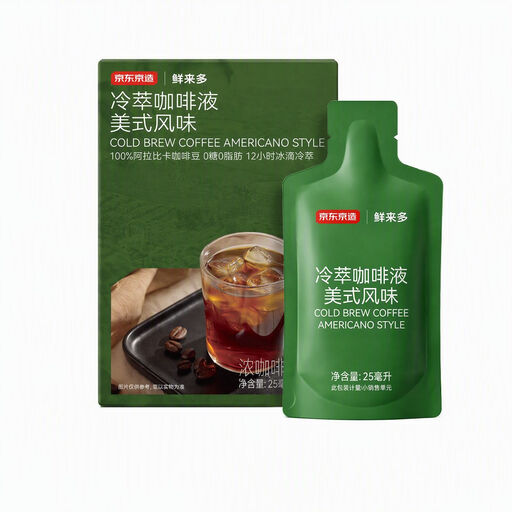 No image available
The individual pouches allow you to measure coffee liquid for a cold-water drink. The nutrition panel lists 0 g sugars and 4.9 g carbohydrate per 100 ml; check its serving basis when comparing it with a prepared drink. The product wording also describes it as instant-soluble, so confirm the preparation method if cold-brewed coffee is important to you. Check caffeine per pouch or prepared serving before using it in a pre-run routine, and plan any training fuel separately.
No. Check the nutrition panel as well as the claim. Sainsbury’s lists 4.8 g sugars and 7 g carbohydrate per 100 ml for Rodd’s Original Latte, which is described as having no added sugar.
Do not use the coffee alone as your fuelling plan. For context, Sainsbury’s lists 8.5 g carbohydrate in a 250 ml Nolo can and 17.5 g in a 250 ml Rodd’s bottle; the UK Sports Institute emphasises sufficient energy availability when planning sports nutrition. Decide what food and drink your session calls for separately from your coffee choice.
Compare caffeine for the portion you will consume. Sainsbury’s lists 41 mg per Rodd’s bottle; Tesco lists an average 59 mg per 100 ml for Hunt and Brew, or about 195 mg per 330 ml bottle, and 159 mg per 100 ml for Solo concentrate. World Athletics advises testing an individual caffeine routine in training before competition.
Follow the instructions for the exact product. The supplied Sainsbury’s product information says to keep Rodd’s chilled and consume it within three days of opening; Nolo’s stated storage range is +2°C to +25°C before opening, followed by refrigeration and consumption within 24 hours. Tesco’s Hunt and Brew listing calls for refrigeration and consumption within three days of opening.