Hosts seeking cold-water-extracted coffee
Look for an explicit extraction description rather than relying on the words “iced coffee”. A concentrate also calls for cold water, measuring and a way to keep the opened bottle refrigerated.


Choose a product explicitly described as cold-water extracted if cold brew is the point of the drink; an ordinary machine pod is not a substitute simply because its coffee can be served over ice. An iced-coffee concentrate suits quick chilled preparation when the extraction method matters less, while compatible pods make sense if you have the matching machine and want a warm coffee. For an outdoor gathering, check what each drink needs for preparation, storage and serving before you buy.
Start with the drink you intend to serve: cold-water-extracted coffee, a quickly mixed iced coffee or a warm machine-made coffee.
Look for an explicit extraction description rather than relying on the words “iced coffee”. A concentrate also calls for cold water, measuring and a way to keep the opened bottle refrigerated.
A concentrate can be mixed without a pod machine. Check its serving directions and set out the liquids and ice needed for the drinks you plan to offer.
If guests would prefer a warm espresso-style drink, pods may fit the occasion. Check that the capsules match your machine; a machine-made coffee is not established as cold brew by cooling it afterwards.
Decide on the serving temperature and preparation method first, then check the pack against the equipment and ingredients you can provide at the gathering.
| Priority | What to check | Your needs |
|---|---|---|
| Cold-brew method | Look for an explicit cold-water-extraction statement. Tesco Groceries describes its Finest unsweetened concentrate as cold-water extracted for several hours; serving another coffee cold does not establish the same method. | If cold brew is what I want to serve, the extraction method matters more than whether the finished glass contains ice. |
| Pod compatibility | Match the capsule to the exact machine system. Tesco Groceries lists separate compatible-pod categories for Nespresso, Dolce Gusto, Tassimo and Lavazza A Modo Mio. | For a warm drink, I can use pods only if they fit the machine I already have. |
| Outdoor preparation | Check whether the drink needs measuring, cold water, milk, ice or a machine. Tesco Groceries gives 100ml concentrate plus 100ml cold water as the preparation for its Finest cold-brew concentrate. | I want to know what must be brought outside and what can be prepared beforehand. |
| Ingredients and flavour | Read the current ingredient list and flavour description. Keep the label available if guests need to check ingredients; adding dairy milk also changes the finished drink. | Some guests may want black coffee, while others may prefer a different milk or want to check what is in a flavoured product. |
| Storage and caffeine | Check the pack’s refrigeration and after-opening instructions, along with its caffeine information where relevant. Plan where opened concentrate will be kept during and after the gathering. | I need to serve and store the drink as directed, and let guests check caffeine information for themselves. |
A capsule may make the wrong drink for guests expecting coffee extracted with cold water, even if the finished coffee is poured over ice.
Choose the preparation method first. Check for a cold-water-extraction statement if that method matters; choose pods for a compatible machine and a machine-made drink.
A concentrate needs preparation before serving, and an opened bottle may need fridge space after the gathering.
Check the purchased pack’s mixing and after-opening instructions, then arrange the required water or milk, ice, measuring and refrigeration.
Flavourings and additions change what is in the finished drink. Guests may also need to check caffeine information.
Keep product labels available and, where practical, offer milk and other mixing liquids separately so guests can choose their own preparation.
These examples illustrate different formats; a brand name alone does not establish how a particular coffee was extracted or which machine it fits.
Tesco Groceries describes its unsweetened cold-brew concentrate as cold-water extracted. It is a bottled concentrate, not a pod.
NESCAFÉ Espresso Concentrated Iced Classic is presented as a base for iced coffee.
M&S lists coffee-machine capsules, including espresso pods, for a different preparation route from bottled cold brew.
Sandows says it crafts cold-brew coffee in its London brewery.
These two portioned coffee options are relevant if you want to prepare a cold drink without a pod machine. Neither should be treated as a direct replacement for a compatible machine pod; check the pack if cold-water extraction is essential to your choice.
 No image available
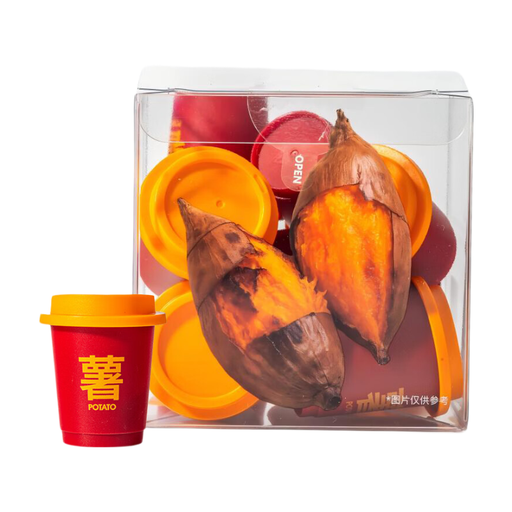
This cold-brew-labelled powder is an option for preparing coffee without a pod machine. Its sweet potato flavour distinguishes it from plain black coffee; check the pack’s preparation and caffeine information before serving.
 No image available
The individually portioned liquid suits a plan to mix cold drinks without a pod machine. Its cold-brew name and cold-water serving option do not, by themselves, establish cold-water extraction; check the pack’s method and caffeine information if those details matter.
Do not assume so. The machine pods described by Tesco Groceries and M&S are a different preparation format from Tesco’s explicitly cold-water-extracted concentrate. Cooling a machine-made coffee or adding ice does not establish that it was cold-water extracted.
A concentrate is one option if you can provide what its instructions require. For example, Tesco Groceries directs you to mix 100ml of its Finest cold-brew concentrate with 100ml cold water; an iced-coffee concentrate may call for a different liquid and method. Check the specific bottle before planning servings for guests.
Follow the storage and after-opening directions on the bottle you buy. If it requires refrigeration, plan fridge space for the opened concentrate rather than leaving it out for the rest of the evening.