Shoppers who want a plain black coffee
An unsweetened concentrate suits you if you can add water before training and prefer a coffee base without latte ingredients. Follow the serving instructions when comparing it with a finished drink.


Choose an unsweetened black concentrate if you want to mix your own drink and keep it separate from latte ingredients. A ready-to-drink black coffee or latte avoids preparation, but check milk, oats and sugars against your needs. If you also use a caffeinated pre-workout supplement, check caffeine per prepared serving and count your other caffeine sources.
Before choosing a flavour, decide whether you can prepare the drink and whether its ingredients and caffeine information fit your plans.
An unsweetened concentrate suits you if you can add water before training and prefer a coffee base without latte ingredients. Follow the serving instructions when comparing it with a finished drink.
A ready-to-drink black cold brew or latte avoids mixing on the way. Choose between them by checking the ingredient list, particularly if milk or oats matter to you.
If coffee is one of several caffeinated products you use, look for caffeine stated per prepared serving. A can size or a description such as “double shot” is not a substitute for that figure.
Start with the preparation method and ingredients, then compare caffeine figures using the amount you would actually drink.
| Priority | What to check | Your needs |
|---|---|---|
| Caffeine | Look for milligrams per prepared serving, not just per bottle or measure of concentrate. Count caffeine from supplements and other drinks too. | I want to know how much caffeine is in the drink I make, especially if I also use a pre-workout supplement. |
| Ingredients | Check whether the drink is black coffee, a milk latte or an oat latte. Compare sugars using the same stated basis, such as per 100 g or per serving. | A plain coffee base matters more to me than a latte flavour, or I want to know what the ready-made version contains. |
| Preparation | For a concentrate or powder, read the amount to mix and what to add. A ready-to-drink can needs no mixing. | Will I have water and time to make a drink, or do I need to take a finished coffee with me? |
| Dietary fit | Check milk, oat and allergen statements on the individual pack. Dairy-free does not by itself establish suitability for a wheat allergy or coeliac disease. | I avoid dairy, or I need to check cereal ingredients before choosing an oat latte. |
The European Food Safety Authority assesses caffeine from all sources when discussing intake for healthy adults, including caffeine consumed before intense exercise under normal environmental conditions. Its general assessment does not establish what is suitable for someone with a medical condition or taking medicines. GOV.UK also advises people using caffeine-containing supplements to limit caffeine from other foods and drinks.
Cold brew, an espresso concentrate and a prepared latte are not interchangeable descriptions. For example, the Nescafé unsweetened espresso concentrate listed by Sainsbury's is an iced-coffee option, not a confirmed cold-brew product.
Read the product name, ingredients and preparation instructions if the brewing method matters to you.
A concentrate needs mixing, and information for a prepared glass may not describe the undiluted liquid. Tesco Groceries instructs shoppers to add cold water to its Finest Unsweetened Cold Brew Coffee Concentrate.
Use the stated mixing amounts before comparing serving information with a ready-to-drink coffee.
The M&S Classic Latte contains semi-skimmed milk, while the M&S Oat Latte has different ingredients and is described as dairy-free. M&S states that its oat version is not suitable for coeliacs or people with a wheat allergy.
Check the current pack for sugars, milk, oats and allergens rather than relying on the words “cold brew”.
Coffee is only one possible caffeine source during the day. GOV.UK advises people taking caffeine-containing supplements to limit caffeine from sources including coffee, tea, chocolate and energy drinks.
Check the caffeine amount in the prepared coffee and supplement, and consider the other caffeinated products you consume.
These examples show how product formats differ; a retailer's iced-coffee range should not be taken as evidence that every item is cold brew.
Its Unsweetened Cold Brew Coffee Concentrate is a black coffee base to prepare with water, rather than a finished latte.
Its Classic Latte and Oat Latte are ready-to-drink cold-brew coffee options with different ingredients.
Coffee Friend UK lists a Sandows ready-to-drink black cold brew as an alternative to a latte or a concentrate.
Sainsbury's lists Nescafé Unsweetened Espresso Concentrate for a prepared iced coffee; it should not be mistaken for cold brew.
The Waitrose iced-coffee category includes espresso concentrates alongside other iced-coffee formats.
These options are a portioned black coffee liquid and a roasted sweet potato-flavoured freeze-dried powder, not ready-to-drink lattes. Check the current labels if the extraction method or caffeine per prepared drink is important to your choice.
 Image unavailable
The individual pouches may suit a drink you plan to mix before training rather than a ready-to-drink can. The product name uses both “cold brew” and “instant”, so check the current label if cold-brew extraction is essential. Confirm caffeine per prepared drink when counting other caffeine sources.
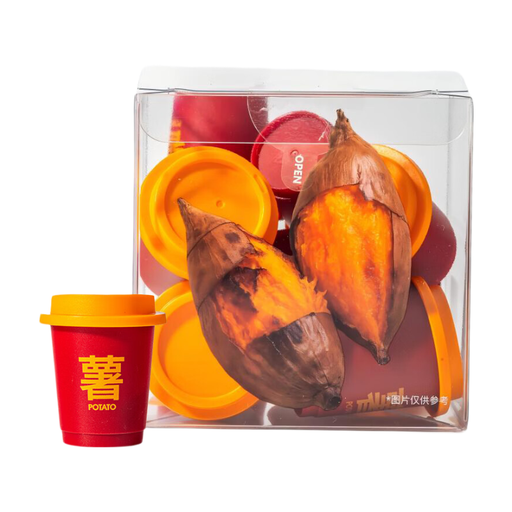 Image unavailable
This powder is a portable preparation option if roasted sweet potato flavour appeals more than plain black coffee. Check the current pack's mixing directions and its caffeine and sugars per prepared drink before comparing it with an unflavoured coffee.
No. The brewing description alone does not tell you the caffeine in your serving. Check the figure for the prepared drink and the amount you intend to consume; do not estimate it from the container size or a phrase such as “double shot”.
Count caffeine from the coffee, supplement and other sources together. The European Food Safety Authority's assessment of caffeine before intense exercise concerns healthy adults under normal environmental conditions; it does not cover every medical circumstance. GOV.UK advises people taking caffeine-containing supplements to limit caffeine from other foods and drinks.
A black coffee-and-water option or a dairy-free oat latte may fit, depending on its individual label. Tesco Finest Unsweetened Cold Brew Coffee Concentrate is labelled suitable for vegans, while M&S describes its Oat Latte as dairy-free but not suitable for coeliacs or people with a wheat allergy. M&S Classic Latte contains semi-skimmed milk.
Follow that product's refrigeration and use-after-opening instructions rather than applying one rule to every concentrate. Check the pack before buying if you expect to use a bottle over several occasions.
The NHS says people who are pregnant should have no more than 200 mg of caffeine a day and recommends the same daily maximum while breastfeeding. Include caffeine from other drinks, foods and relevant supplements when checking your total, and seek individual clinical advice if you need it.