Runners taking coffee away from home
If you want chilled black coffee without finding a kettle, a ready-to-drink cold brew is more direct than a coffee bag. Check the bottle’s serving size and caffeine information if you are planning your intake.


Choose ready-to-drink cold brew when you want chilled coffee without preparation, or a concentrate when you can carry water and a cup. Choose pyramid coffee bags for a hot drink where you have hot water; do not assume they will brew cold. Whichever format you choose, plan drinks and food for a long run separately rather than treating coffee as the whole fuelling plan.
The practical choice depends on where you will make the coffee and whether you need anything from the drink besides coffee.
If you want chilled black coffee without finding a kettle, a ready-to-drink cold brew is more direct than a coffee bag. Check the bottle’s serving size and caffeine information if you are planning your intake.
A coffee bag can make a hot drink at home, work or accommodation without separate brewing equipment. Raw Bean describes its pyramid bags as needing hot water, a mug and a spoon, so they are not a substitute for cold-brew preparation.
A coffee-flavoured meal drink is a different purchase from black cold brew. Compare the full bottle’s carbohydrate, protein, ingredients and portion size, and consider when you intend to drink it.
Start with where you will prepare the drink, then read the caffeine information and nutrition panel for the portion you will actually have.
| Priority | What to check | Your needs |
|---|---|---|
| Preparation | Check whether the product is ready to drink, needs cold-water dilution or requires hot water. Tesco Finest directs shoppers to mix 100 ml concentrate with 100 ml cold water; Raw Bean specifies hot water for its pyramid bags. | I want coffee where I will actually be drinking it, without relying on a kettle that may not be there. |
| Caffeine | Look for caffeine per serving or per 100 ml, then account for the amount you drink and any dilution. Coffee Friend UK lists 40.5 mg per 100 ml for Sandows cold brew; do not transfer that figure to another product. | If caffeine is part of my training routine, I want to know how much is in my portion and try the routine during training rather than for the first time on race day. |
| Food and drink role | Compare energy and carbohydrate for the prepared serving or full bottle, not just a product’s coffee flavour. Tesco lists 12 kcal per prepared 200 ml glass of its unsweetened concentrate; its yfood meal drink listing gives 500 kcal and 40 g carbohydrate per 500 ml bottle. | For a long session, I need to arrange food or sports nutrition separately if my coffee choice does not provide what I have planned to eat. |
| Fluids | Plan access to water as well as coffee. The NHS advises extra fluids after sweating from physical activity and identifies water as the best way to replace lost fluids. | I want enough to drink around a long run, not just a coffee for the journey. |
| Storage and ingredients | Read the pack’s storage directions and ingredient and allergen statements. Tesco says to refrigerate its concentrate after opening and consume it within four weeks; M&S says its Oat Latte Cold Brew is unsuitable for people with wheat allergy or coeliac disease. | If I buy several servings or a flavoured drink, I want to know how to store it and whether its ingredients suit me. |
Raw Bean describes its pyramid bags as ground coffee bags brewed with hot water. Without hot-water access, that preparation method will not fit an outdoor stop or journey.
For a cold drink, choose a ready-to-drink product or one with cold-water preparation directions. Keep hot-brew bags for places where you can make a hot cup.
Tesco lists 12 kcal for a prepared 200 ml glass of its unsweetened concentrate. That is a different kind of drink from the yfood meal product Tesco lists at 500 kcal and 40 g carbohydrate per 500 ml bottle.
Choose coffee for the drink you want, then plan fluids and food or sports nutrition for the session. If considering a meal drink, check its full portion, ingredients and timing.
Caffeine information for one bottle cannot establish the amount in a different coffee or in a diluted concentrate. Coffee Friend UK lists Sandows at 40.5 mg per 100 ml, so the quantity consumed matters too.
Use the current pack’s caffeine information, where stated, when adding up intake from your drinks and other sources. Try a planned routine during training rather than introducing it on race day.
Tesco directs shoppers to refrigerate its concentrate after opening and use it within four weeks. M&S states that its Oat Latte Cold Brew is unsuitable for people with wheat allergy or coeliac disease.
Check storage directions before buying a multi-serve product, and read the current ingredients and allergen statement for flavoured or meal-style drinks.
These examples illustrate different coffee formats and a coffee-flavoured meal drink; a brand’s presence here does not mean every product it sells serves the same purpose.
Its unsweetened cold-brew concentrate is a make-it-yourself cold coffee, rather than a pyramid coffee bag.
Its House Blend Coffee Bags and Oat Latte Cold Brew are different formats for different drinking situations.
The 200 ml black cold brew listed by Coffee Friend UK is a ready-to-drink option when brewing is inconvenient.
Its pyramid-shaped bags contain ground coffee for making a hot drink.
Its Cold Brew Coffee complete-meal drink is a meal-style purchase, not a direct replacement for black coffee.
These options cover coffee that can be mixed with cold water and coffee bags for a hot drink. Cold-water mixing does not, by itself, establish that an instant coffee was extracted by cold brewing, and the Taylors bags are not identified as pyramid-shaped.
 No image available
For cold coffee when you can carry water and a cup rather than a ready-made drink. Joybuy’s directions say to dilute one 25 ml pouch with about 200 ml cold or hot water. Check the current pack for caffeine per serving if you are planning your intake.
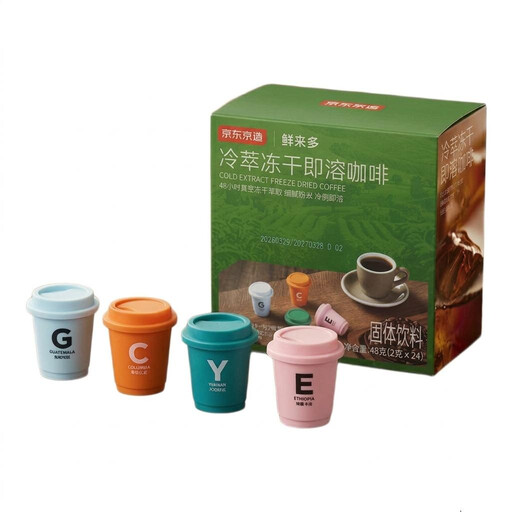 No image available
A portioned instant coffee option when you have a cup and water; the product name states it can be prepared hot or cold. It is freeze-dried instant coffee, not an established cold-brew extraction product. Check the selected pack for caffeine per portion if that affects your plan.
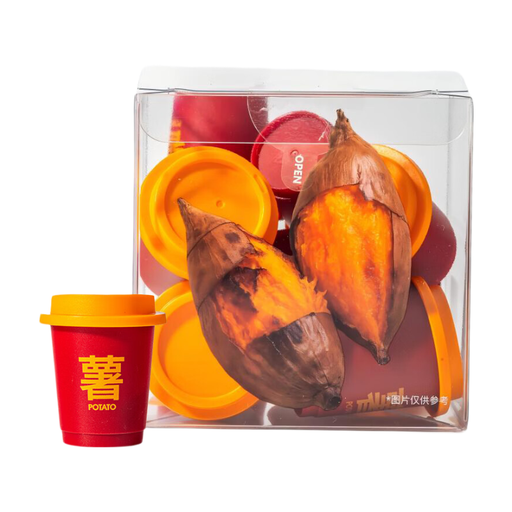 No image available
A flavoured instant coffee option for mixing with cold water when you can prepare a drink. Its freeze-dried format should not be taken as evidence of cold-brew extraction. Check the current pack for caffeine and prepared-serving nutrition if those figures matter to your choice.
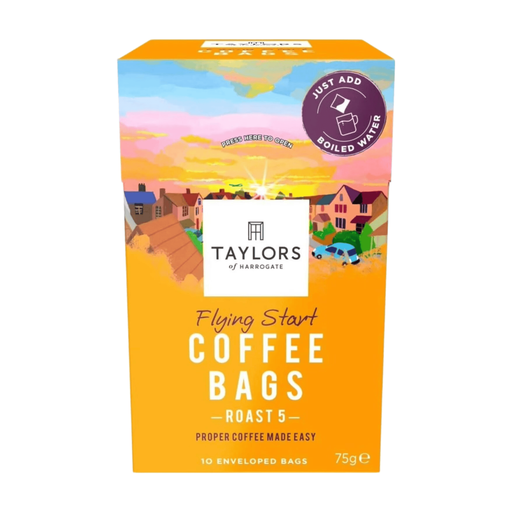 No image available
A coffee-bag choice for a hot drink where you have a mug and hot water, rather than a cold-brew option. If pyramid shape is essential, confirm the bag format on the pack before buying. Check caffeine per bag if you intend to plan your intake around it.
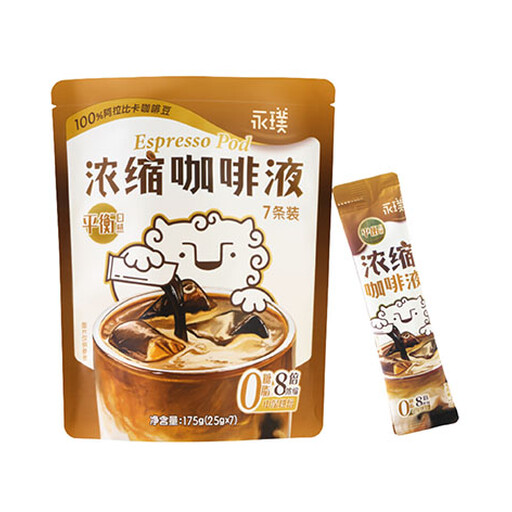 No image available
Individual sticks offer a cold-water mixing option when you have water and a cup. Cold-water preparation alone does not establish a cold-brew extraction method. Check the pack for caffeine and prepared-serving nutrition if you need those figures for your training-day plan.
No. Raw Bean describes its pyramid coffee bags as ground coffee brewed with hot water. Choose that format where you can make a hot cup; for chilled coffee without hot water, choose a ready-to-drink product or check a concentrate’s cold-water directions.
Do not treat black cold brew as a substitute for planned food or sports nutrition. Tesco lists 12 kcal per prepared 200 ml glass of its unsweetened concentrate. A coffee-flavoured meal drink is a different option: Tesco lists 500 kcal and 40 g carbohydrate for a 500 ml yfood bottle, so assess its full portion and intended meal role separately.
Use the current product’s caffeine figure per serving or per 100 ml, where stated, and calculate from the amount you intend to drink rather than assuming all cold brews are alike. Coffee Friend UK lists 40.5 mg per 100 ml for Sandows; that figure does not apply to the other coffees on this page. Try any planned routine during ordinary training before using it on race day.
Check the serving size, preparation and storage directions, ingredients and allergens, and nutrition information relevant to your choice, including carbohydrate and sugars. Check caffeine where declared if you are planning an intake. Read the current pack rather than assuming a retailer description reflects any later changes.