Lunch breaks without a kettle
A ready-to-drink cold coffee avoids brewing at work. Check the exact product’s storage instructions if it will spend the morning in your lunch bag.


For an office lunch without a kettle, ready-to-drink cold brew is a more suitable choice than assuming a pyramid coffee bag will brew in cold water: Raw Bean Coffee’s pyramid bags, for example, specify hot water. Cold-brew concentrate suits a lunch where you can carry and dilute it, while individually wrapped pyramid coffee bags suit an office with hot water if you are happy to make hot-brew coffee.
A ready-to-drink cold coffee avoids brewing at work. Check the exact product’s storage instructions if it will spend the morning in your lunch bag.
Individually wrapped pyramid coffee bags are compact to carry. Raw Bean Coffee instructs buyers to add hot water and steep its bags for 3–4 minutes, so they suit a hot drink rather than cold-water brewing.
Compare caffeine information for the exact coffee with other sources consumed during the day. For pregnancy, the NHS advises no more than 200 mg of caffeine a day from all sources.
Start with the preparation you can manage at lunch, then check whether the pack contains a finished drink, something to dilute or coffee that needs steeping.
| Priority | What to check | Your needs |
|---|---|---|
| Drink without preparation | Look for ready-to-drink wording. Check the serving size and storage instructions on the exact pack. | I need coffee I can open during lunch without finding a kettle, water or a cup. |
| Concentrate | Check whether the label calls it cold brew or iced-coffee concentrate. Read the dilution directions and plan how to carry the liquid and water. | I can mix a drink before leaving home or at work, and I have a suitable bottle or cup. |
| Coffee-bag preparation | Read the water-temperature and steeping instructions; a pyramid shape does not establish cold-water suitability. Raw Bean Coffee specifies hot water and 3–4 minutes for its pyramid coffee bags. | A compact dry bag works for me if hot water is available and I want hot-brew coffee. |
| Coffee or infusion | Check the product type and ingredients. Whittard of Chelsea’s cold-water pyramid-bag example is a fruit infusion, not coffee. | I want to make sure a pack labelled cold brew actually contains coffee. |
| Caffeine information | Check the exact product’s caffeine information and the serving you will prepare. The NHS advises a daily maximum of 200 mg of caffeine during pregnancy, including caffeine from other sources. | I need to account for this drink alongside other caffeine I may have during the day. |
A portable bag can still require a mug, hot water and steeping time. Raw Bean Coffee’s pyramid-bag directions specify hot water.
For cold-water brewing, follow the exact pack’s preparation instructions rather than relying on its shape.
Concentrate needs dilution; it is not the same as a ready-to-drink bottle or can.
Choose it when you can carry or access water and a suitable drinking vessel. Otherwise, look for a ready-to-drink format.
Some pyramid bags designed for cold water contain tea or fruit infusions. Whittard of Chelsea, for example, labels its cold-brew pyramid product as an infusion.
Check the product type and ingredients if coffee is what you intend to pack.
Coffee is not the only source of caffeine during the day. The NHS advises no more than 200 mg a day during pregnancy.
Check the coffee’s caffeine information where given and account for other caffeine sources; if choosing a decaffeinated bag, confirm that designation on the exact pack.
These examples illustrate different coffee formats; a retailer’s coffee bags and cold drinks should be checked as separate products.
Sandows describes making cold brew in London. Coffee Friend UK lists a 200 ml Sandows product as ready-to-drink cold brew.
Tesco Groceries lists Tesco Finest Unsweetened Cold Brew Coffee Concentrate 500 ml and lists coffee bags separately.
Sainsbury’s lists iced-coffee products and ground coffee bags in distinct parts of its coffee range.
Marks & Spencer describes House Blend Coffee Bags and separately lists ready-to-drink iced coffee.
Raw Bean Coffee sells individually wrapped pyramid-shaped coffee bags, including a Swiss Water decaf range.
These options cover portioned cold-brew coffee liquid, a packaged coffee drink and instant coffee for an office lunch. Check the preparation method on each pack; none is presented here as a pyramid coffee bag.
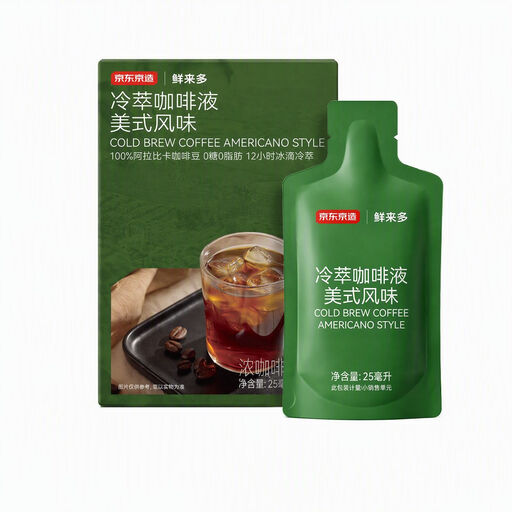 Image unavailable
Consider the portioned liquid if you can mix a coffee at lunch rather than open a finished drink. The product name specifies 10 servings in 25 ml pouches, zero sugar and zero fat. Follow the pack’s mixing and storage directions, and check its caffeine information if that affects your choice.
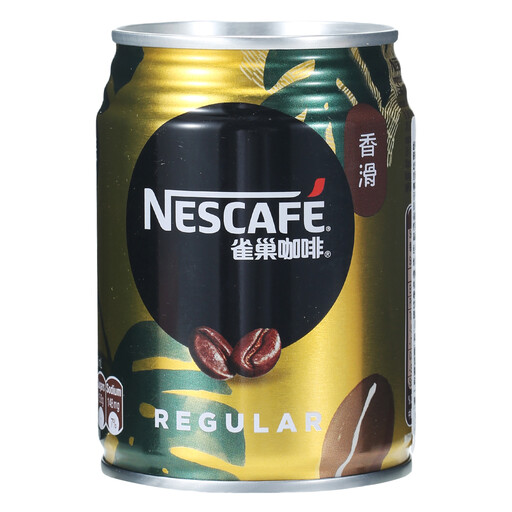 Image unavailable
This packaged coffee is described as ready to drink, making it an option when you cannot prepare coffee at work. It is not identified as cold brew. Check the label for ingredients, sugars, caffeine and storage directions relevant to your lunch.
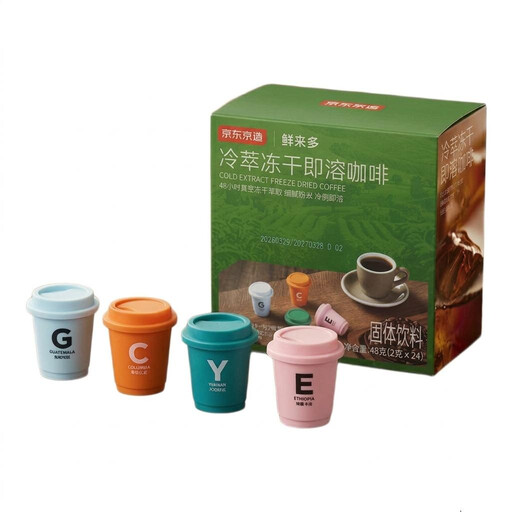 Image unavailable
The portioned instant coffee may suit a lunch where you can add water and use a cup, but it is not cold-brew coffee or a pyramid bag. The product name specifies Arabica coffee and 24 capsules of 2 g each. Check the pack’s mixing, caffeine and storage information before deciding whether it fits your routine.
No. The shape does not establish that a coffee bag works with cold water: Raw Bean Coffee instructs users to add hot water and steep its pyramid bags for 3–4 minutes. If you intend to brew with cold water, check that the exact coffee pack explicitly gives cold-water instructions.
A ready-to-drink cold coffee needs no brewing at work; Coffee Friend UK, for example, describes its Sandows cold brew as ready to drink. Check the chosen pack’s storage instructions for how you plan to carry it.
No. Whittard of Chelsea’s cold-brew pyramid-bag example is a fruit infusion designed for cold water. Check the product type and ingredients if you want coffee rather than an infusion.
The NHS advises no more than 200 mg of caffeine a day during pregnancy. That total includes caffeine from coffee and other sources, including tea, cola, energy drinks, chocolate and some supplements, so check the exact coffee’s caffeine information when planning a drink.