Home diners who want to mix their own coffee
A cold-brew concentrate lets you add water or milk to each serving. It is the relevant format if cold-brew preparation and control over the finished drink both matter.


Choose a cold-brew concentrate if you want a cold-brew base and control over what you mix into each cup; choose a ready-to-drink latte if you want a chilled, creamy coffee without preparation. An instant-coffee jar suits a quick home routine, but a drink made by dissolving instant coffee in hot water and cooling it is iced coffee, not cold brew. Check the ingredients, serving instructions and opened-pack storage for the product you choose.
For coffee after dinner, the useful starting point is whether you want to mix each drink, open one ready-made serving or keep a jar for regular use.
A cold-brew concentrate lets you add water or milk to each serving. It is the relevant format if cold-brew preparation and control over the finished drink both matter.
A ready-to-drink cold-brew latte avoids measuring and mixing. Check its ingredients if the choice of milk or the presence of sugar matters to you.
Instant coffee provides a jarred option for a quick drink at home. Choose it for that preparation routine, rather than expecting the jar itself to provide cold-brew coffee.
Choose it when: You want a cold-brew base and prefer to mix each drink with water or milk.
Bear in mind: It needs dilution, and opened-pack storage matters if you will only make coffee occasionally.
Choose it when: You want one chilled, creamy coffee without mixing.
Bear in mind: Its recipe is already set, so check the milk and other ingredients before buying.
Choose it when: A jar for quick, adjustable home preparation matters more than cold-brew extraction.
Bear in mind: Instant coffee prepared with hot water and then cooled makes iced coffee, not cold brew.
| Priority | What to check | Your needs |
|---|---|---|
| Brewing method | Look for cold-brew preparation if the extraction method matters. NESCAFÉ distinguishes coffee made without heat from coffee brewed and then cooled; an instant jar should not be treated as cold brew. | I want the drink after dinner to be cold brew, not just coffee served over ice. |
| Mixing and ingredients | Check whether the drink is a concentrate to dilute or a pre-mixed latte. Tesco gives a serving of 62ml Grind concentrate mixed with water or milk; Marks & Spencer describes its Classic Latte Cold Brew Coffee as containing semi-skimmed milk. | Some evenings I would choose my own milk or serve the coffee black; on others, I would rather open a finished latte. |
| Caffeine per serving | Compare the labelled serving size with its caffeine information and account for other caffeine consumed that day. Grind states 101mg of caffeine per 62ml serving of its concentrate. | If caffeine intake matters to me, I need to know how much concentrate goes into my cup rather than judging by the size of the carton. |
| Use after opening | Read the exact pack’s storage instructions and opened-pack period. Tesco says its listed Grind concentrate should be refrigerated and consumed within seven days of opening. | I only make cold coffee now and then, so I would check whether I could use a multi-serve carton within its labelled period. |
An instant-coffee jar can be used for a cold drink, but dissolving the granules in hot water and cooling the coffee does not make it cold brew. NESCAFÉ distinguishes cold brew by its preparation without heat.
If that brewing method matters to you, choose a product identified as cold brew rather than relying on a picture of an iced drink.
A pre-mixed latte and a black concentrate can differ in their milk and other ingredients. Marks & Spencer describes its Classic Latte Cold Brew Coffee as containing semi-skimmed milk.
Read the exact ingredient list and allergen declaration, particularly if you need a dairy-free drink or want to choose what goes into the cup.
Grind states that a 62ml serving of its concentrate contains 101mg of caffeine. The amount you pour matters when assessing your intake.
Follow the serving directions and check caffeine information for the exact product. For pregnancy, the NHS advises no more than 200mg of caffeine a day in total.
Tesco instructs buyers to refrigerate its listed Grind concentrate and consume it within seven days of opening. That period matters if you make cold coffee infrequently.
Check the pack before choosing a multi-serve format, and consider a single ready-to-drink portion if it better matches how often you will have coffee.
These examples illustrate the different coffee formats; the product label remains the place to check the version you are buying.
Grind’s 500ml cold-brew concentrate is an example of a multi-serve base for mixing with water or milk.
Marks & Spencer provides examples of both instant-coffee options and a ready-to-drink cold-brew latte.
The Signature Caramel Flavour product is a flavoured concentrate for mixing, rather than a plain black ready-to-drink coffee.
These jars suit the instant-coffee side of the dinner-at-home decision. They are not cold-brew concentrates or ready-to-drink lattes.
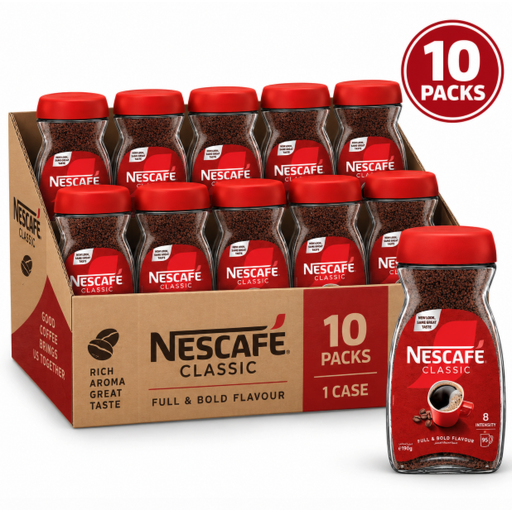 No image available
A jarred instant coffee for preparing coffee at home; the listing describes preparation with hot water. This is a pack of ten 190g jars, not cold-brew coffee. If you intend to serve it cold, check the preparation directions on the pack.
 No image available
A 300g decaffeinated instant-coffee jar for a home coffee routine, rather than a cold-brew product. If you plan to make a cold drink, check the preparation directions; if caffeine intake is important, check the pack’s serving information.
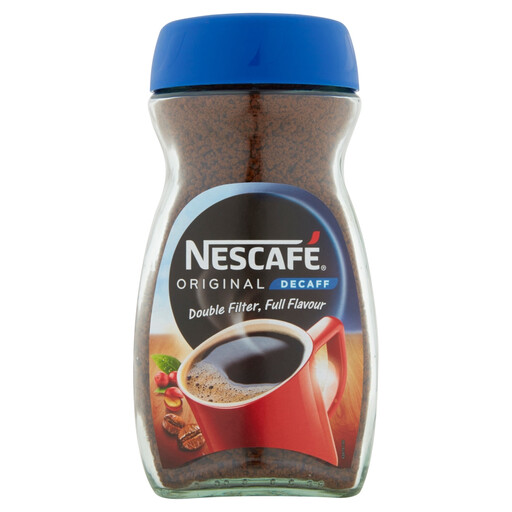 No image available
A 200g decaffeinated instant-coffee option if you want the jar format for dinner at home. It is not cold brew. Check the pack’s directions before preparing it as a cold drink, and consult its serving information if caffeine intake matters.
No. NESCAFÉ describes cold brew as coffee made without heat. If you dissolve instant coffee in hot water and then cool it, you are making iced coffee rather than cold brew.
Choose a ready-to-drink latte if you want a chilled, pre-mixed drink, or a cold-brew concentrate if you want to add milk yourself. Marks & Spencer’s Classic Latte Cold Brew Coffee contains semi-skimmed milk; Tesco directs buyers to mix its listed Grind concentrate with water or milk.
Read the ingredients and allergen declaration for the exact drink. Marks & Spencer describes its Classic Latte Cold Brew Coffee as containing semi-skimmed milk, while a concentrate mixed at home lets you choose what to add to the coffee.
Use the labelled serving size and caffeine information, then account for other caffeine consumed that day. Grind states that one 62ml serving of its concentrate contains 101mg of caffeine. For pregnancy, the NHS advises a daily total of no more than 200mg.
Follow the instructions for the exact product. Tesco says its listed Grind Espresso Cold Brew Coffee Concentrate should be refrigerated and consumed within seven days once opened, so check whether that period fits how often you will use it.