One drink, ready to serve
A chilled ready-to-drink coffee avoids measuring and mixing. Check the ingredients if you want to know whether milk and sugar are already included: Marks & Spencer lists both in its Classic Latte Cold Brew Coffee.


Choose a ready-to-drink cold brew if you want to serve one chilled coffee without mixing; choose a concentrate if several people want to add their own milk or water. An instant-coffee jar offers a cupboard-stored option for making coffee cold, but dissolving instant coffee is not the same as brewing coffee in cold water.
A chilled ready-to-drink coffee avoids measuring and mixing. Check the ingredients if you want to know whether milk and sugar are already included: Marks & Spencer lists both in its Classic Latte Cold Brew Coffee.
A liquid concentrate lets people mix separate drinks with their chosen milk or water. Follow the particular product’s portion and dilution instructions rather than treating the concentrate as a ready drink.
If a jar matters more than the cold-brew method, instant coffee is a different route. Nescafé says its instant coffee can be stirred into hot or cold water; check the directions on the jar you choose.
Start with how you want to serve breakfast coffee, then check the pack’s ingredients, portion directions and storage instructions.
Choose it when: You want a chilled drink to open and serve without mixing.
Trade-off: A prepared latte already has its milk and other ingredients mixed in, leaving less room to change the drink.
Choose it when: Several people want to mix individual drinks with milk or water.
Trade-off: You need to portion and dilute it, then follow the opened-pack storage directions.
Choose it when: You specifically want a jar of soluble coffee for hot or cold preparation.
Trade-off: Coffee made by dissolving instant granules is not coffee extracted by the cold-brew method.
| Priority | What to check | Your needs |
|---|---|---|
| Preparation | Check whether the pack is ready to drink, needs dilution or contains soluble coffee. For a concentrate, follow its own mixing directions. | I want to serve coffee straight from the fridge, or I have time to mix each person’s drink. |
| Milk and ingredients | Read the ingredients and allergen label. Marks & Spencer’s Classic Latte Cold Brew Coffee contains semi-skimmed milk and sugar; a separate coffee base leaves the choice of mixer to you. | Some of us want black coffee and others want different milks, so a drink with milk already added may not suit everyone. |
| Portions and caffeine | Compare caffeine amounts using each product’s stated serving. Nescafé gives approximately 87mg per 30ml serving of its Iced Classic concentrate; Grind gives 101mg per 62ml serving of its cold-brew concentrate. | If I am making several coffees, I want to measure each portion rather than assume a bottle or carton is one drink. |
| Pack size and storage | Check the stated number of servings and what to do after opening. Nescafé states 16 servings for its 500ml Iced Classic concentrate and says to refrigerate it after opening and use it within 14 days; other products need their own label checked. | Will the pack make the number of drinks we plan to serve, and can we follow its storage directions afterwards? |
| Product format | Check the actual container and preparation method rather than assuming every cold coffee comes in a jar. Instant coffee can make a cold drink, but it is not cold-brew-extracted coffee. | A jar is important to me, or I would rather have a chilled drink or a liquid base. |
A ready drink, a concentrate and an instant jar have different preparation steps. A standard instant jar does not contain coffee extracted by the cold-brew method.
Decide whether you need an immediate drink, a base to dilute or soluble coffee, then check that format on the pack.
Marks & Spencer’s Classic Latte Cold Brew Coffee contains semi-skimmed milk and sugar, unlike a plain coffee base that you mix yourself.
Read the ingredients and allergen information on the drink you choose, including any milk or alternative you plan to add separately.
Nescafé and Grind give different portion sizes and mixing directions for their concentrates. Their stated caffeine amounts also refer to different-sized servings.
Measure according to the particular pack, and follow its directions for storage after opening.
Stock depends on the retailer and location; The Whisky Exchange marked its checked Sandows cold-brew listing as out of stock.
Check the live listing for your store or delivery postcode before planning around a particular product.
These examples show different coffee formats; a retailer’s range does not establish stock at your chosen store.
Marks & Spencer lists a 250ml Classic Latte Cold Brew Coffee that is ready to drink chilled.
Waitrose’s iced-coffee category lists 500ml Nescafé Espresso Concentrated in Classic, Vanilla and Caramel variants.
Tesco’s instant-coffee category lists conventional jars, while a separate product listing describes Grind Espresso Cold Brew Coffee Concentrate.
Sainsbury’s iced-coffee category lists concentrated coffee alongside multiserve and single-serve drinks.
The Whisky Exchange describes Sandows’ 20cl bottled cold brew as a black coffee that can be served straight, over ice or with milk.
These options cover portioned liquid coffee, portioned instant coffee and an instant-coffee jar for mixing breakfast drinks. Check each product’s directions: the formats are not all ready to drink, and instant coffee is distinct from cold brew.
 No image available
Individually portioned liquid coffee offers a way to prepare separate breakfast drinks. The pack name states 10 pouches of 25ml each; check its mixing directions and caffeine information before serving.
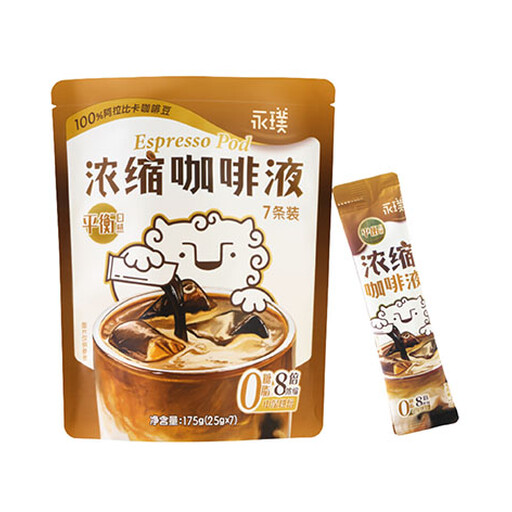 No image available
The separate sticks suit drinks prepared one at a time rather than a ready-to-serve breakfast coffee. The stated pack size is 175g in seven 25g sticks; check the mixing and caffeine directions on the product.
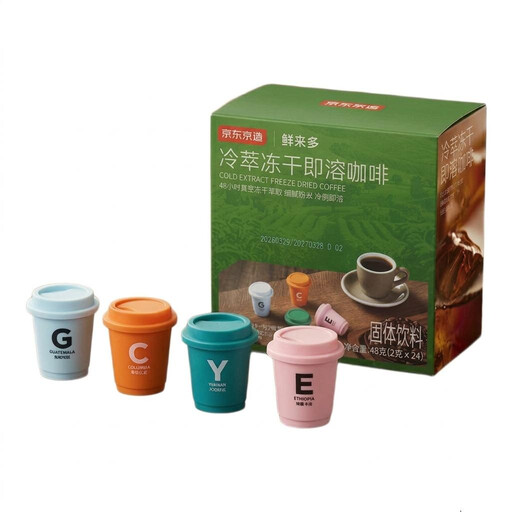 No image available
These individual instant-coffee portions are an alternative to a jar, not a cold-brew-extracted drink. The name specifies 24 capsules of 2g each; confirm the selected flavour, cold-water directions and caffeine information before buying.
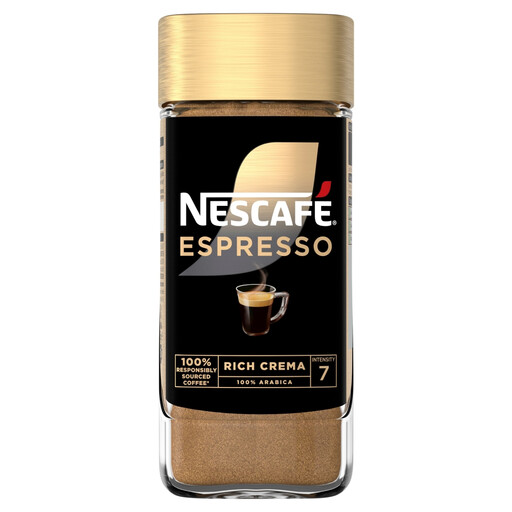 No image available
This instant-coffee jar fits a cupboard-stored option, but it is not cold-brew-extracted coffee. Check this product’s cold-water preparation directions and caffeine information if you plan to serve it cold at breakfast.
No. Instant coffee dissolves in water, while cold brew is coffee extracted in cold water over time. Check the preparation method and pack format if you specifically want cold brew rather than a cold drink made with instant coffee.
Follow the directions for the concentrate you buy. Nescafé suggests 30ml of its Iced Classic concentrate with 150ml cold milk; Grind gives a 1:1 mixing ratio for its cold-brew concentrate. Do not transfer one product’s portion directions to another.
Yes, where the product directions allow it: Nescafé and Grind describe mixing their concentrates with a chosen liquid. Check the ingredients of both the coffee base and each milk or alternative used.
Use that product’s label. Nescafé says to refrigerate its Espresso Concentrated Iced Classic after opening and use it within 14 days; a different bottle or carton may have different instructions.
Compare the amount per stated serving alongside the serving size. Nescafé states approximately 87mg per 30ml serving of its Iced Classic concentrate, while Grind states 101mg per 62ml serving of its cold-brew concentrate. Check how much of either product you plan to use in each drink.