TV-night cold-coffee drinkers
A ready-to-drink cold brew suits a snack break when you want to open a chilled drink without mixing it. A concentrate gives you more choice over what to add, but takes preparation.


Choose a ready-to-drink cold brew if you want to open one chilled drink with your snacks; choose a cold-brew concentrate if you would rather mix drinks with your own ice or milk. An instant coffee jar offers a different kind of convenience: soluble coffee is not necessarily cold brewed, so check the extraction description if that method matters to you. For a latte or an evening drink, check the ingredients, storage instructions and caffeine information on the exact product.
A ready-to-drink cold brew suits a snack break when you want to open a chilled drink without mixing it. A concentrate gives you more choice over what to add, but takes preparation.
Black cold brew, oat lattes, dairy lattes and sweetened concentrates have different ingredients. Check the exact pack when choosing a drink for yourself or a guest.
A decaffeinated iced-coffee concentrate is an option to consider. Do not assume that an ordinary cold brew is decaffeinated, or that an iced-coffee concentrate was cold brewed.
Start with the drink you want to serve, then check how it is made and what you will need to add.
| Priority | What to check | Your needs |
|---|---|---|
| Cold-brew method | Look for an explicit cold-brew or cold-extraction description. The British Coffee Association defines cold brew by extraction at cooler temperatures, not by serving temperature. | If I specifically want cold brew, an instant jar or a coffee served over ice is not enough to establish how it was extracted. |
| Serving format | Check whether the drink is ready to open, must be diluted, or is soluble coffee that needs preparation. Read the mixing directions for a concentrate. | For one drink with my snacks, I may prefer a ready-to-drink bottle or latte. If several people want different additions, I can consider a concentrate. |
| Ingredients | Read the exact ingredient and allergen list. The cited M&S oat latte uses oat milk, its classic latte uses semi-skimmed milk, and Tesco labels its Finest concentrate as sweetened. | I want to know what is in the drink before choosing it for myself or offering it to someone else. |
| Storage | Check the after-opening instructions and how many drinks you expect to make. Waitrose states that its Nescafé Espresso Concentrated Iced Decaf must be refrigerated after opening and consumed within 14 days. | If I only make cold coffee occasionally, I need a format I can use within its stated storage period. |
| Caffeine | Check whether the exact product is labelled decaffeinated, and read any stated caffeine amount alongside the serving size. Do not assume an evening coffee or an instant jar is decaf. | When I want decaf, I will choose a product labelled for that purpose rather than judging it by whether it is served cold. |
An instant jar may be convenient for a TV-night drink without meeting a requirement for cold-brew extraction. The British Coffee Association distinguishes coffee extracted at cooler temperatures from hot-extracted coffee that is later cooled.
Check the exact product for a cold-brew or cold-extraction description. Treat a jar described only as soluble or instant coffee as an instant format.
The cited M&S classic latte contains semi-skimmed milk, while its oat latte uses oat milk; Tesco’s Finest cold-brew concentrate is labelled sweetened. A shared cold-coffee description does not make their ingredient lists interchangeable.
Read the current ingredients and allergen information for the exact pack, particularly when choosing for someone else.
A concentrate needs mixing, and its after-opening period may matter if you make only occasional drinks. Waitrose says its Nescafé Espresso Concentrated Iced Decaf must be refrigerated and consumed within 14 days of opening.
Compare the preparation and storage directions with how often you expect to use the bottle.
Serving coffee cold does not identify its caffeine status. A decaffeinated iced-coffee concentrate is a separate choice from products sold simply as cold brew.
If you want decaf, check the designation on the exact product rather than relying on its serving format.
These listings illustrate differences between cold-brew and other cold-coffee formats; check the exact product rather than assuming a retailer’s whole range has the same ingredients.
Tesco’s cited listings include a sweetened Tesco Finest cold-brew concentrate and a Grind black cold-brew concentrate.
M&S lists ready-to-drink oat and classic cold-brew lattes for shoppers who would rather open a prepared drink than mix a concentrate.
Waitrose’s cited listings show two distinct options: Nescafé decaffeinated iced-coffee concentrate and a Nescafé soluble espresso coffee jar.
A Coffee Friend UK listing describes Sandows as a 200 ml ready-to-drink black cold brew.
This jar is an instant-coffee option for a TV-night snack break, not a cold-brew product recommendation. Choose it for the soluble-coffee format only if that meets what you want to make.
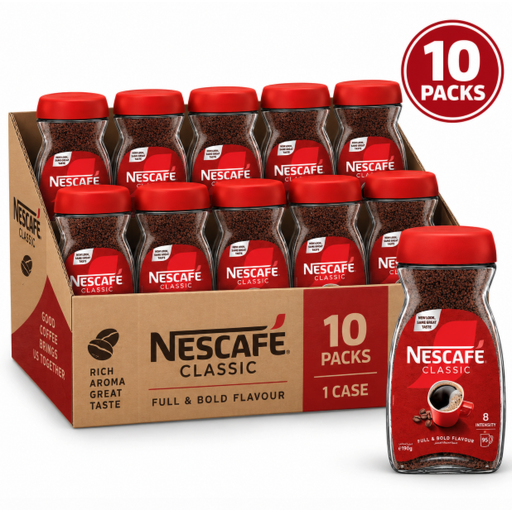 No image available
Consider this for instant coffee during a snack break, rather than for coffee made by cold extraction. The listed format is a 190g jar supplied as a pack of 10. If you intend to serve it cold, check the preparation directions on the pack; if caffeine matters to your choice, check the product’s caffeine information.
No: an instant jar is a soluble-coffee format, whereas cold brew describes coffee extracted at cooler temperatures. The British Coffee Association says coffee extracted hot and subsequently cooled is not cold brew. Look for an explicit cold-extraction description if that method is the reason for your purchase.
Choose a ready-to-drink cold brew or cold-brew latte if you want to open a chilled drink straight away. A concentrate needs mixing but lets you choose what to add; follow the directions for the exact product.
Read the ingredient and allergen information on the exact pack. GOV.UK says that when a prepacked food or drink contains any of the 14 regulated allergens as an ingredient, they must be clearly labelled within the ingredients list. Do not assume an oat latte and a dairy latte have the same ingredients.
Follow the storage directions for the specific concentrate. Waitrose states that its Nescafé Espresso Concentrated Iced Decaf should be refrigerated after opening and consumed within 14 days; do not apply that period to every cold-coffee product.