Anyone wanting coffee without a mixing step
A ready-to-drink chilled coffee fits a short afternoon break when you want a single serving straight from the pack. Check whether it is black coffee or a latte-style drink, as the ingredients differ.


Choose a ready-to-drink coffee if you want one chilled serving without mixing, or a cold-brew concentrate if you want to dilute several drinks yourself. An espresso concentrate also needs mixing but is not cold brew; an instant-coffee jar can make a cold drink without being cold brew either. For any of these afternoon options, check the serving instructions, caffeine information and ingredients on the exact pack.
A ready-to-drink chilled coffee fits a short afternoon break when you want a single serving straight from the pack. Check whether it is black coffee or a latte-style drink, as the ingredients differ.
A cold-brew concentrate lets you choose the liquid used for dilution. Grind says its 500 ml carton makes 1 litre when mixed 1:1 with water or milk, or up to eight servings; follow the instructions for the product you buy.
Compare the declared serving size and caffeine information, particularly for concentrates. Read the ingredients on the exact pack when milk, another allergen or a flavoured version matters to your choice.
Start with the preparation you have time for, then compare the serving instructions and ingredients of the formats that fit.
| Priority | What to check | Your needs |
|---|---|---|
| Preparation | Ready-to-drink coffee needs no dilution. Cold-brew and espresso concentrates need mixing; check the stated ratio. For an instant-coffee jar, check that the instructions allow cold preparation. | I want a drink straight from the fridge during a short break, or I have time to mix a portion with water or milk. |
| Coffee format | Look for cold brew on the product description if that process matters. Espresso concentrate and soluble instant coffee can make cold drinks, but they are different formats. | A cold drink is enough for me, or I specifically want a product sold as cold brew. |
| Serving and caffeine | Check the coffee quantity per serving and any declared caffeine figure rather than comparing pack sizes. Nescafé states approximately 87 mg per standard serving of its unsweetened iced espresso concentrate. | I want to know how much concentrate goes into my glass and account for caffeine from other drinks during the day. |
| Ingredients | Check whether the drink is black, milk-based, oat-based or flavoured. The Food Standards Agency says the 14 regulated allergens must be emphasised in the ingredients list of prepacked food and drink; also check the product category and any alcohol declaration. | Milk, other allergens, sweetness or alcohol would change which pack I choose. |
| Opened-pack storage | Check refrigeration and use-by instructions for a multi-serve product. Grind gives 10 days refrigerated after opening for its cold-brew concentrate; Nescafé gives 14 days for its mocha espresso concentrate. | Will I make enough drinks to use an opened concentrate within its stated period? |
Instant coffee can be prepared cold, but that does not make it cold-brew concentrate. Tesco gives cold-water or milk instructions for Nescafé Original instant coffee.
Read both the product format and preparation instructions. Choose a product labelled cold brew if that distinction matters to you.
Concentrate is diluted, so its pack volume is not the finished-drink volume. Grind says its 500 ml cold-brew concentrate makes 1 litre at a 1:1 dilution.
Compare the producer's serving guidance with how many drinks you expect to make, then check the opened-pack instructions.
An opened multi-serve pack may go unused if you cannot finish it within the stated refrigerated period.
Temperature and added milk do not remove the coffee's caffeine. Nescafé states approximately 87 mg per standard serving of its unsweetened iced espresso concentrate. The NHS advises a limit of 200 mg caffeine a day during pregnancy.
Check the serving size and any caffeine declaration on the exact product, alongside other caffeine consumed that day where relevant.
M&S lists milk and oat versions of its cold-brew latte, while Sainsbury's lists Tia Maria Cold Brew Coffee as a liqueur at 16% alcohol by volume.
Check the product category, alcohol declaration and ingredients on the exact pack. For prepacked products, look for emphasised allergens in the ingredients list.
These examples show why the words iced coffee and cold brew are not enough to identify a drink's format or ingredients.
Tesco lists a 500 ml unsweetened cold-brew coffee concentrate for mixing at home.
M&S lists chilled, ready-to-drink classic and oat cold-brew lattes.
Waitrose lists bottled drinks and liquid coffee concentrates in its iced-coffee category.
Sandows describes itself as a London cold-brew maker with a ready-to-drink black coffee option.
Product-category wording matters when browsing cold-brew coffee listings.
These options cover portioned coffee liquids for mixing, instant coffee for cold preparation and a ready-to-drink coffee. A cold-brew process is not established for the coffee liquids, and the instant and ready-to-drink products should not be mistaken for cold brew.
 No image available
Individually portioned liquid for mixing a cold coffee. The product description gives approximately 200 ml water per 25 ml pouch and cool, dry storage. Although the title says cold brew, the preparation description does not establish the brewing process; check the exact pack if that distinction or caffeine per serving matters to you.
 No image available
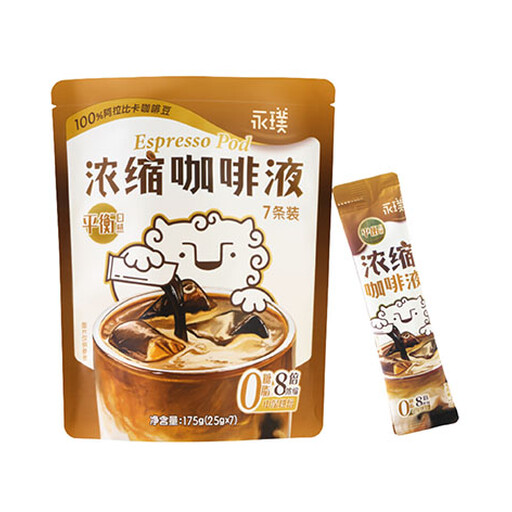
The individual sticks offer a measured portion to mix with cold water during a break. The description identifies the coffee as 100% Arabica but does not establish a cold-brew process. Check the pack for its preparation, storage and caffeine information.
 No image available
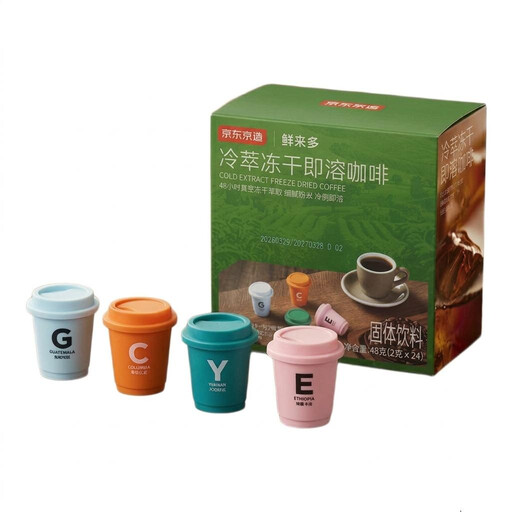
This is instant coffee that can be stirred into cold water, not cold brew. The description gives approximately 150–200 ml water per capsule, individually sealed portions and cool, dry storage. Check the selected flavour variant and caffeine information on the pack.
 No image available
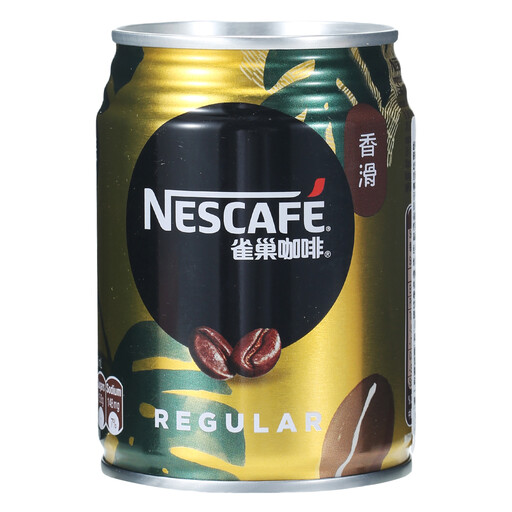
A ready-to-drink coffee for an afternoon break without mixing; the description suggests refrigeration for a chilled drink. It identifies regular coffee rather than cold brew, lists milk solids and gives 10.8 g sugars per 100 ml. Check the current pack for ingredients and caffeine information.
No. Instant coffee is soluble coffee, although it can be prepared as a cold drink: Tesco gives cold water or milk and ice as a method for Nescafé Original. Choose a product specifically described as cold brew if that format matters to you.
Follow the instructions for the exact product. Grind specifies a 1:1 mix with water or milk for its cold-brew concentrate, while Nescafé illustrates 30 ml of its espresso concentrate with 150 ml cold milk and ice. Do not transfer either ratio to another concentrate without checking its pack.
Use the opened-pack instructions for your product. Grind says its cold-brew concentrate lasts 10 days refrigerated after opening; Nescafé says to refrigerate its mocha espresso concentrate and use it within 14 days.
Check caffeine per serving and account for other sources consumed that day. The NHS advises no more than 200 mg of caffeine a day during pregnancy; Nescafé states approximately 87 mg per standard serving of its unsweetened iced espresso concentrate.
Read the ingredients list on the current pack rather than relying on the words cold brew. The Food Standards Agency says the 14 regulated allergens must be emphasised in the ingredients list of prepacked food and drink, which helps distinguish black coffee from latte-style products.