
24/7 Customer Support

Free returns

Same-day & Next-day Delivery

Quality Guaranteed

Unlock Your Welcome Offers: FREE Delivery | Up to 80% OFF | Free 30-day JoyPlus trial
Download the APP
A blocked nose, sore throat, cough or raised temperature can make everyday life difficult, particularly when you need to work, travel or care for family members. The wide choice of cold and flu relief products available in the UK can also make shopping confusing. A hot drink sachet, nasal decongestant spray, vapour rub and non-medicated inhaler may all be marketed for similar symptoms, but they do not work in the same way.
The practical approach is to match the active ingredient, delivery format, age suitability and maximum usage period to your symptoms. This helps avoid paying for features you do not need or using a product incorrectly.
Cold and flu medicine often combines several active ingredients. For example, Beechams products may contain paracetamol, guaifenesin and phenylephrine hydrochloride, targeting pain or fever, mucus and nasal congestion respectively.
This can be convenient when you have several symptoms. However, it may be unnecessary if you only have a blocked nose. Always check the ingredients and avoid taking more than one product containing paracetamol or another decongestant.
A nasal decongestant spray containing xylometazoline or oxymetazoline can provide temporary blocked nose relief, but prolonged or excessive use may contribute to rebound congestion. Product instructions vary, so check the leaflet carefully. Many products specify a maximum period of around seven days, while some formulations have shorter limits.
Saline sprays, aromatic inhalers and cold-virus blocker devices are different from medicated decongestants, so do not assume they have the same dosage instructions.
Some remedies are suitable only for adults and children aged 12 or over, while certain combination medicines are restricted to those aged 16 and above. Vapour products may have separate instructions for babies and young children.
People with high blood pressure, heart conditions, diabetes, thyroid problems, glaucoma, liver or kidney conditions, or those taking other medicines should seek advice from a pharmacist or doctor before using a decongestant or combination product.
For blocked nose relief or sinus congestion relief, look for the active ingredient rather than relying on the front-of-pack wording. Xylometazoline and oxymetazoline are topical nasal decongestants. A product such as Otrivine Adult Nasal Spray contains xylometazoline hydrochloride 0.1% w/v, while Vicks Sinex nasal spray products use oxymetazoline hydrochloride.
For aches, fever and sore throat discomfort, paracetamol may be included in tablets or hot drink sachets. Guaifenesin is used in some combination products for chesty coughs, while aromatic products such as Vicks VapoRub are intended for topical use or steam inhalation according to their instructions.
A spray may be useful when you need direct nasal application, while a capsule or tablet is more suitable for several cold and flu symptoms. Hot drink sachets, including Lemsip cold and flu sachets, can be convenient at home, but they still contain medicine and must be dosed according to the label.
Check the stated frequency and maximum daily amount. For instance, the supplied product information for several nasal sprays specifies use no more than two or three times daily and for no longer than the stated treatment period.
Check the exact packaging before purchase, particularly when buying for a household. Examples include:
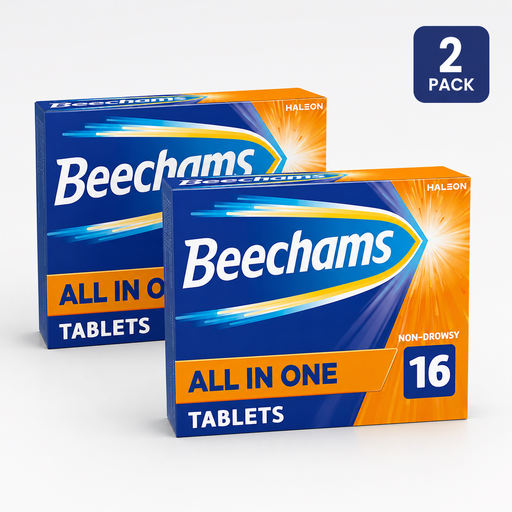
Why This Fits Their Persona: A practical option for adults and children aged 12 and over who want one tablet format for several daytime cold, flu and chesty cough symptoms.
The listed ingredients and age limit make it easier to check whether a multi-symptom product is appropriate before buying.
Contains paracetamol, guaifenesin and phenylephrine hydrochloride; supplied as film-coated tablets.
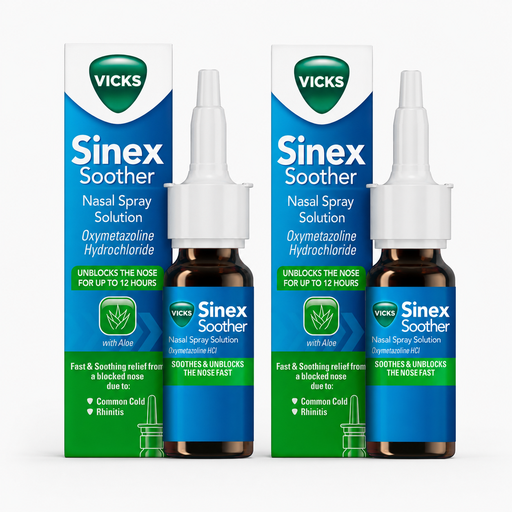
Why This Fits Their Persona: Suits shoppers seeking a metered spray with an ultra-fine mist, oxymetazoline hydrochloride and added aloe vera.
Its metered format supports consistent application, while the leaflet states the maximum frequency and treatment duration.
Contains oxymetazoline hydrochloride 0.05% w/v; includes menthol, eucalyptus and aloe vera.
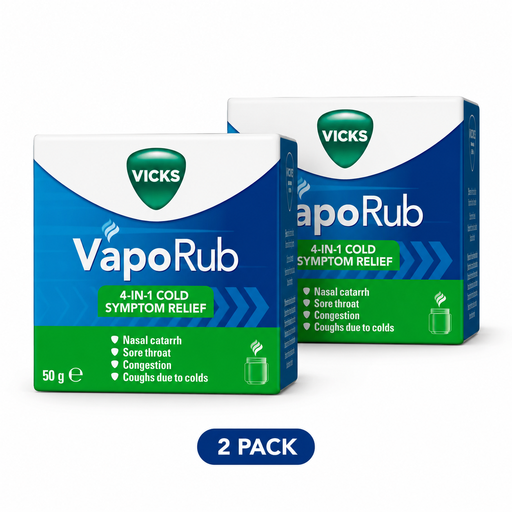
Why This Fits Their Persona: A useful household format for shoppers who prefer a topical product for cough and nasal congestion symptoms rather than an oral medicine.
The instructions clearly separate topical use from steam inhalation and state not to swallow or apply inside the nostrils.
Contains menthol, camphor, turpentine oil and eucalyptus oil; suitable for topical use from the stated age limits.
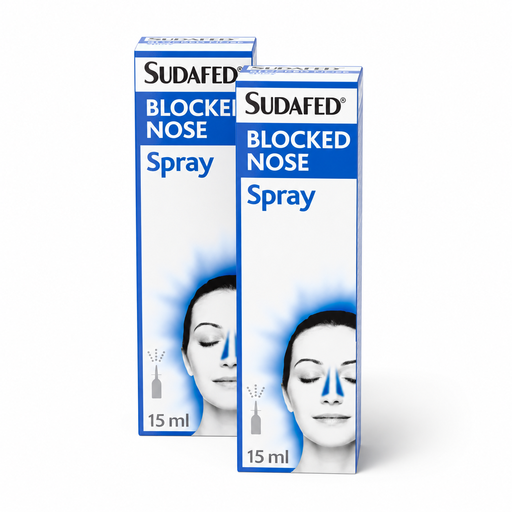
Why This Fits Their Persona: Suitable for adults and children aged 12 and over who want a direct spray for cold, sinusitis or hay fever congestion.
The stated active ingredient, dose and seven-day maximum help shoppers avoid treating a decongestant spray as a daily long-term product.
Contains xylometazoline hydrochloride 0.1% w/v; the supplied information states relief may last up to 10 hours.
We have compiled a complete, real-time list of products that fully satisfy these strict selection criteria and UK safety regulations.
For early cold symptoms, Vicks First Defence Cold Virus Blocker is a Class I medical device intended for use at the first signs of symptoms and is supplied for those over 12. It should not be treated as a substitute for a medicine or used beyond the stated instructions.
For a non-medicated aromatic option, Calpol vapour plug refills release lavender and chamomile aromas for up to eight hours when used with the compatible device. They are not a treatment for an illness and should be kept away from direct skin contact.
If you prefer a warm drink, Lemsip Breathe Easy sachets contain paracetamol and phenylephrine hydrochloride and are indicated for those aged 16 and over. Beechams Max Strength Cold and Flu Relief Capsules are another multi-symptom format for those aged 16 and over. Read the label before combining any medicine with another cold, flu or pain-relief product.
A nasal decongestant spray may be suitable for short-term congestion caused by a cold, sinusitis or hay fever. Check whether it contains xylometazoline or oxymetazoline, follow the stated dosage and do not exceed the maximum treatment period. A pharmacist can advise if you have an existing medical condition or take regular medicines.
Not usually for an extended period. Repeated use beyond the product’s stated limit can contribute to rebound congestion. Check the individual leaflet, as instructions differ between products, and seek medical advice if nasal symptoms continue or worsen.
Check the active ingredients first. Many cold and flu tablets, capsules and sachets already contain paracetamol. Taking an additional paracetamol product could exceed the recommended amount. If you are unsure, ask a pharmacist before taking another medicine. Always follow the label and seek medical advice if symptoms persist, worsen or new symptoms develop.