
24/7 全天候客户支持

免费退货

当日/次日达

品质保障

开启新人专享福利: 全场免邮 | 低至 2 折 | 免费试用 30 天 JoyPlus 会员
下载 Joybuy
A cold or flu can make ordinary decisions surprisingly difficult. You may need something for a blocked nose before work, a soothing drink for sore throat relief or a child-appropriate syrup that does not cause drowsiness. With so many similarly packaged products available, choosing by brand name or “maximum strength” wording alone can lead to unnecessary ingredients, unsuitable age ranges or duplicated medicines.
This guide explains what to check before buying cold and flu relief medicines, then matches several formats to different household needs.
Combination products can contain paracetamol, a decongestant, caffeine or an expectorant. These may be useful when several symptoms occur together but unnecessary if you only have a dry cough or sore throat. A single-ingredient product may be more appropriate for a specific complaint.
Many cold and flu capsules, hot drink sachets and liquid remedies contain paracetamol. Taking more than one paracetamol cold and flu medicine at the same time can result in an unsafe total dose. Always compare the active ingredients on every product you use, including ordinary painkillers.
A non-drowsy cough medicine is designed not to cause sleepiness but it may still contain sugar, alcohol, allergens or ingredients unsuitable for certain conditions. Similarly, day formulas containing caffeine may be inconvenient for people who are sensitive to stimulants or trying to sleep.
For aches, fever and headache, look for paracetamol and follow the pack instructions. For blocked nose relief, some combination products contain phenylephrine, a decongestant. Decongestants may not be suitable for people with high blood pressure, heart problems, thyroid conditions, glaucoma or certain other health concerns.
For a dry tickly cough, products containing soothing ingredients such as glycerol may coat and calm throat irritation. A chesty cough medicine containing guaifenesin is intended for a productive cough with phlegm, helping loosen mucus so it can be coughed up. These are different use cases, so check whether the cough is dry or chesty before ordering.
Several products in this category are restricted to adults and adolescents aged 16 years and over, including many Lemsip cold and flu relief capsules and hot drink sachets. Some children’s cough syrup products are suitable from one year, while chesty cough formulas may be restricted to age 12 and above.
Do not estimate a child’s dose from an adult product. Use the supplied measuring spoon or cup, and check the latest label before giving any medicine.
Sachets may contain sugar, lactose, milk or aspartame. Syrups can contain sucrose, glucose, liquorice, ethanol or flavourings such as aniseed. If allergies, diabetes, food intolerances or dietary preferences are relevant, inspect the ingredient list rather than relying on the product title.
The format also affects convenience:
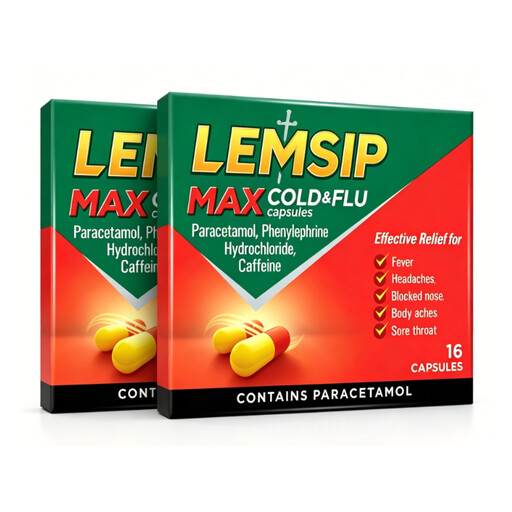
Why This Fits Their Persona: A compact capsule format suits adults and adolescents aged 16 years and over who want one portable product for several cold and flu symptoms.
The active ingredients are clearly listed: paracetamol, phenylephrine hydrochloride and caffeine. This makes it easier to compare against other medicines and avoid duplication.
Capsules are easy to carry, and the formula covers pain, fever and nasal congestion. Check caffeine suitability before use.
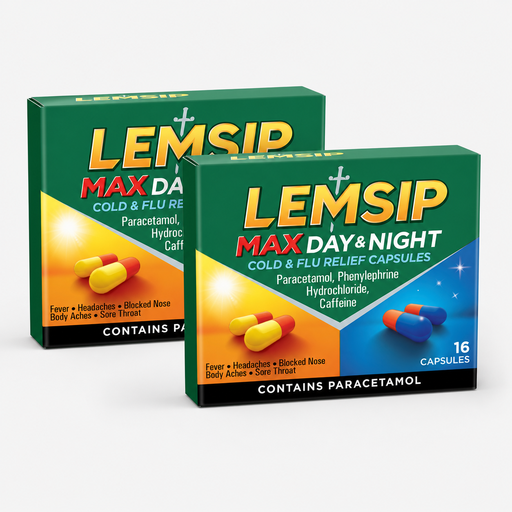
Why This Fits Their Persona: Separate day and night capsules suit adults who want to distinguish daytime use from an evening routine.
The day and night contents are differentiated, reducing the risk of treating every dose as identical. It still requires careful checking of the total daily dose.
Day capsules contain caffeine, while night capsules do not. Suitable for ages 16 and over according to the supplied product information.
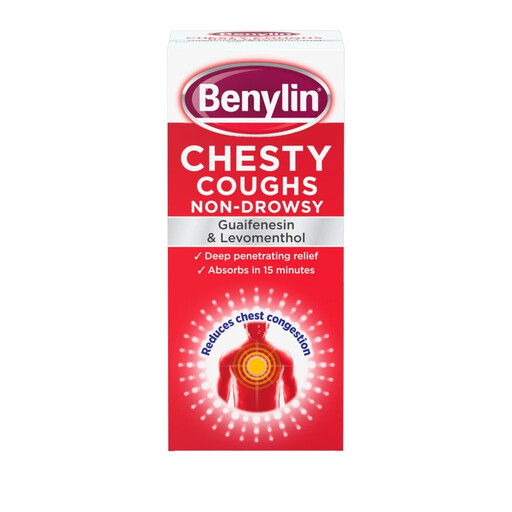
Why This Fits Their Persona: The larger 300ml bottle is practical for adults and children aged 12 and over who need a chesty cough medicine at home rather than a travel-sized format.
It is intended for a productive, phlegmy cough rather than a dry tickle, helping shoppers select by symptom instead of generic “cough relief” wording.
Contains guaifenesin and levomenthol, with a non-drowsy format. Use the supplied measuring device and follow the label.
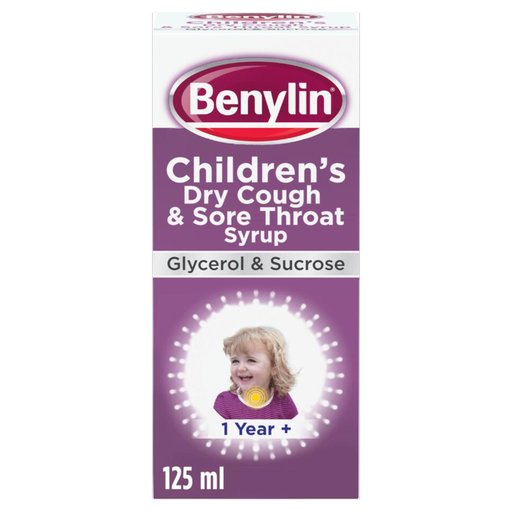
Why This Fits Their Persona: Designed for children aged one to five years with a dry, tickly cough or sore throat, making it a more targeted family cupboard option.
The narrow age range and dry-cough indication help prevent giving an adult multi-symptom product to a young child.
Blackcurrant flavour, a 5ml spoon and a non-drowsy formula. It contains sucrose, so review the label if sugar intake is a concern.
We have compiled a complete, real-time list of products that fully satisfy these strict selection criteria and UK safety regulations.
Check the active ingredients first. Many cold and flu capsules already contain paracetamol, so taking additional paracetamol may exceed the recommended amount. Ask a pharmacist if you are uncertain.
A dry tickly cough syrup is intended for throat irritation without phlegm. A chesty cough medicine is intended for mucus-producing coughs. If the cough persists, worsens or is accompanied by breathing difficulty, seek medical advice.
Many hot drink sachets are labelled for adults and adolescents aged 16 years and over. Check the specific pack rather than assuming a child can take a reduced amount. Always follow the label and seek advice from a pharmacist where necessary.
Product formulations, pack sizes and instructions can change. Read the current packaging before use, do not exceed the stated dose, and seek advice from a pharmacist or doctor if symptoms persist, worsen or you have an underlying condition.