What matters when choosing?
Match the heating style to how you use the room, then check the exact model’s controls and placement instructions. Treat recurring moisture as a separate room-condition problem.
Oil-filled radiator
Choose when: you occupy the room for several hours and want sustained supplementary warmth.
Bear in mind: Electrical Safety First says oil-filled radiators take longer to warm up but continue giving out heat after switch-off; their surfaces also need time to cool.
Convector
Choose when: you want to warm the room air during occasional use without a fan blowing towards you.
Bear in mind: a convector needs unobstructed airflow and will not remove the cause of a persistently cold or damp wall.
Fan heater
Choose when: immediate, directed warmth for a person matters more than sustained room heating.
Bear in mind: fan noise and hot airflow may be unwelcome during longer use; keep the outlet clear.
| Concern | What to check | Who this matters to |
|---|
| Several hours of warmth |
Check for an adjustable thermostat and heat settings; follow the model’s instructions on placement. |
If I use the cold room for most of an evening, I want controllable supplementary warmth rather than a short burst. Around 40% of consumers would put sustained comfort first. |
| Quick warmth |
Decide whether you want directional fan heat or room-air heating; consider fan noise where it matters. |
For a brief spell at my desk or on the sofa, I want to feel warmer promptly without heating the whole home. Quick top-up warmth would come first for around 30% of consumers. |
| Condensation and damp |
Check whether the heater suits the intended room use, while investigating moisture, ventilation and cold spots separately. |
If condensation keeps returning to the cold wall, I need to address its cause rather than rely on warmth alone. Managing the damp risk would be the primary concern for around 30% of consumers. |
Joybuy heater options
For longer periods of supplementary warmth or occasional room-air heating, these options include oil-filled radiators and convectors. If immediate warmth directed towards one person is your priority, consider the fan-heater route described above.
 No image available
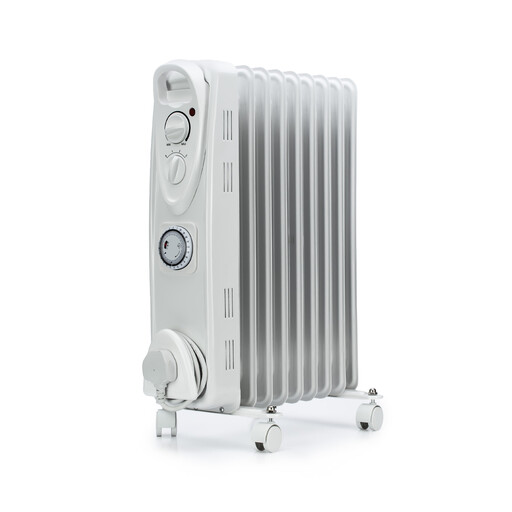
Status 9-fin oil-filled radiator, 2000 W, timer, white
Consider this oil-filled format if you use the cold room for several hours and want supplementary warmth.
The product name specifies three heat settings, an adjustable thermostat and a timer. Check the plug, placement instructions and suitability for your room before buying.
View on Joybuy
 No image available
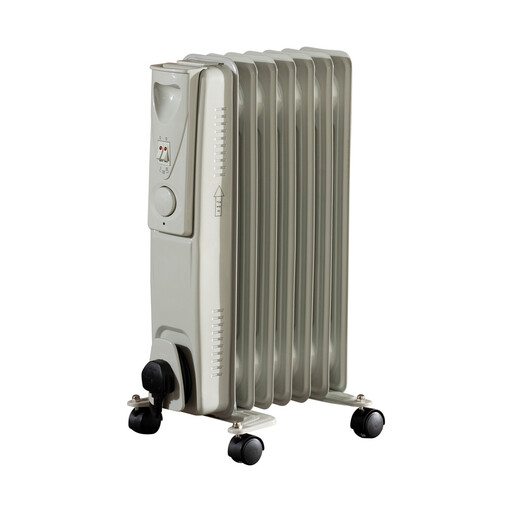
DAEWOO 7-fin portable oil-filled radiator, 1500 W, white
This is another oil-filled option to consider for supplementary warmth during longer room use.
The product name specifies an adjustable thermostat, tip-over shut-off, wheels and a carry handle. Follow the model’s instructions on where and how to use it, and confirm its plug and room suitability before buying.
View on Joybuy
 No image available
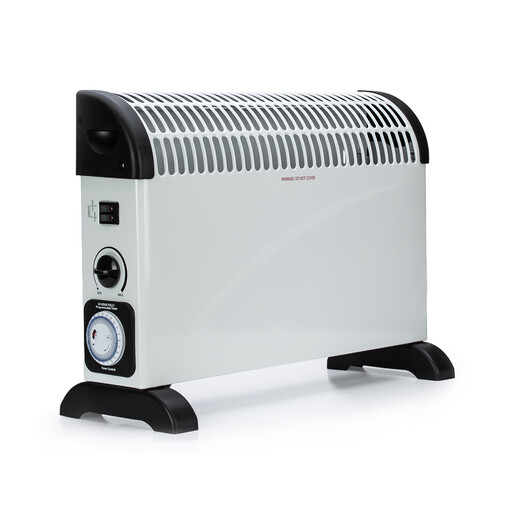
Status convector heater, 2000 W, timer, white
Consider this convector if warming the room air during occasional use fits your needs better than directional fan heat.
The product name specifies three heat settings, an adjustable thermostat and a timer. Confirm how the timer works and follow the model’s airflow and placement instructions.
View on Joybuy
 No image available
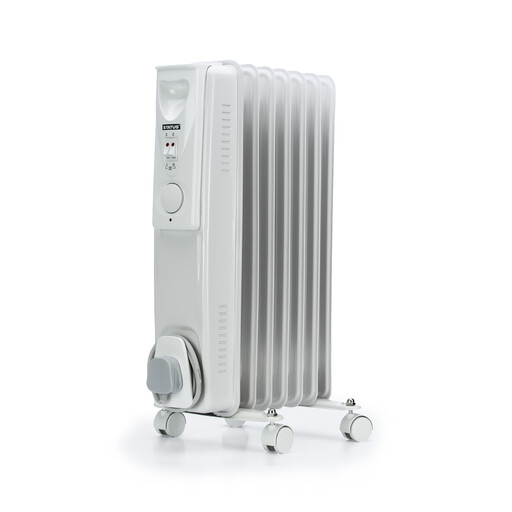
Status 7-fin oil-filled radiator, 1500 W, white
This oil-filled model is worth considering if sustained supplementary warmth matters more to you than an immediate blast.
The product name specifies three heat settings and an adjustable thermostat. Check that it suits the room and allow the radiator to cool before moving it.
View on Joybuy
 No image available
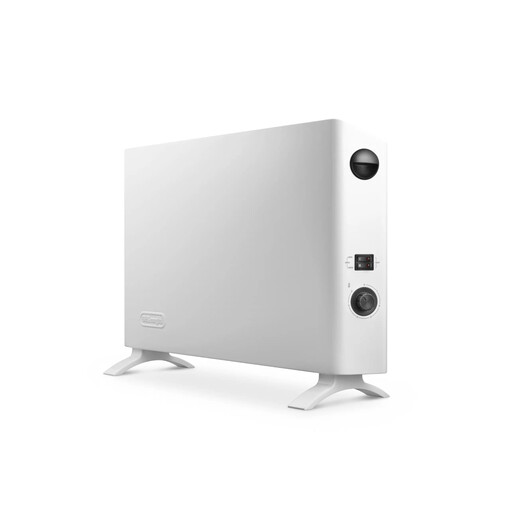
De'Longhi HSX2320 convector heater, 2000 W, white
Consider this convector for supplementary room-air heating when you do not want a fan directed at you.
The product name specifies three heat settings and a thermostat. Check the model’s room-use guidance against your room’s size and cold-wall conditions, as well as its plug and placement instructions.
View on Joybuy
Common questions
Will an electric heater fix condensation or mould on a cold wall?
No. A heater can provide supplementary warmth, but it cannot repair a leak, missing insulation or a ventilation problem. National Energy Action explains that moist air condenses on cold surfaces; investigate recurring moisture as well as heating the room.
Which heater type suits several hours in a cold room?
An oil-filled radiator is an option for sustained supplementary warmth, provided its controls and room-use instructions suit your needs. Electrical Safety First notes that this type takes longer to warm up but continues giving out heat after switch-off; choose a fan heater instead if immediate, directed warmth is the main aim.
Can I use a portable heater to dry clothes or leave it running overnight?
Do not use a portable heater to dry clothes. UK government winter fire-safety guidance says to keep heaters away from curtains and furniture and to unplug electric heaters when going out or going to bed; Electrical Safety First also advises against overnight use.
What should I check about the socket and power lead?
Check the exact heater’s instructions and use a suitable fixed wall socket where possible. Electrical Safety First warns against overloading extension leads, cable reels and adaptors; if the model’s instructions permit an extension device, check its marked rating and fully unwind a cable reel.
I rent in England and the wall stays damp. Is a heater enough?
No. Report persistent damp or mould to your landlord or managing agent and ask for its underlying cause to be investigated. Government guidance for rented housing in England calls for damp and mould problems to be addressed promptly; supplementary heating is not a repair for the wall.


