Hosts mixing drinks for different guests
An unsweetened concentrate suits a host who can prepare each drink and wants to choose its milk, sweetness and serving style.


For a summer BBQ, choose an unsweetened concentrate if you can mix drinks and want to decide the milk and sweetness for each serving. Ready-to-drink lattes avoid that preparation; choose a product labelled dairy-free or decaffeinated when that requirement matters, and check the exact pack rather than assuming it applies to all cold coffee.
An unsweetened concentrate suits a host who can prepare each drink and wants to choose its milk, sweetness and serving style.
Ready-to-drink bottles or cans suit a serve-without-mixing plan. Check whether guests want a dairy latte, an oat latte or a flavoured drink rather than treating them as the same choice.
Look for an explicitly dairy-free or decaffeinated product as needed, then check the ingredients, allergens and caffeine information on the particular pack.
Decide whether you will mix drinks or serve them straight from the fridge, then check each guest’s ingredient and flavour requirements against the exact product.
| Priority | What to check | Your needs |
|---|---|---|
| Serving format | Check whether the product says concentrate or ready to drink. A concentrate needs preparation; a ready-to-drink latte can be served without mixing. | I can mix drinks for guests, or I need individual servings that can go straight from the fridge to the table. |
| Recipe control | Look for an unsweetened base if you want to add milk or sweetness yourself. Check the directions for how the concentrate is served. | Different guests may want black coffee, a milk-based drink or different levels of sweetness. |
| Dairy and allergens | Check whether a latte contains milk or carries a dairy-free claim. Read the complete ingredients and allergen information on the current pack; an oat name alone is not enough. | When serving someone avoiding dairy or managing an allergy, I need to check the particular drink rather than rely on its format. |
| Caffeine | Choose a product explicitly labelled decaffeinated if that is required. Check product-specific caffeine information when the amount matters; cold-brew wording alone does not establish it. | A late-day drink or a guest limiting caffeine calls for a separate choice from the regular coffee options. |
| Flavour | Distinguish unsweetened concentrate, plain latte and caramel-flavoured drinks. For a black cold coffee, check whether the exact product is cold brewed and whether it is sparkling. | Some guests want a coffee-led drink; others would choose a latte or a particular added flavour. |
Supermarket iced-coffee ranges include lattes, concentrates and other chilled drinks. A ready-to-drink latte gives you less control over the finished recipe than an unsweetened base.
Decide whether you need a drink to open or a base to mix, then check the exact product description.
A dairy-free claim does not establish suitability for every allergy. The Food Standards Agency’s guidance points shoppers to the ingredients list and emphasised allergens on prepacked food.
Read the ingredient and allergen declaration on the current pack for each guest who needs that check.
A caramel-flavoured latte and an expressly unsweetened concentrate offer different starting points for a drink.
Choose the unsweetened route when you want to decide whether to add flavour; choose a flavoured product when that flavour is wanted.
Decaffeinated is a claim about a particular product, not a property of every cold-brew drink.
If caffeine is a deciding factor, look for an explicit decaffeinated label and check the particular pack.
These examples show how formats differ; check the particular product rather than applying a range description to every drink a retailer sells.
Tesco lists a 500 ml unsweetened cold-brew coffee concentrate described as 100% Arabica.
M&S lists Classic, Caramel and Oat Latte Cold Brew drinks in 250 ml formats.
Sainsbury's lists Nolo decaffeinated cold-brew oat lattes alongside other chilled coffee formats.
Waitrose’s iced-coffee category includes lattes, a concentrated iced-coffee product and Union Sparkling Black Cold Coffee.
Sandows says it crafts cold-brew coffee in its London brewery.
These two portioned coffee options are for hosts willing to mix individual cold drinks. They are not ready-to-drink lattes or confirmed decaffeinated choices.
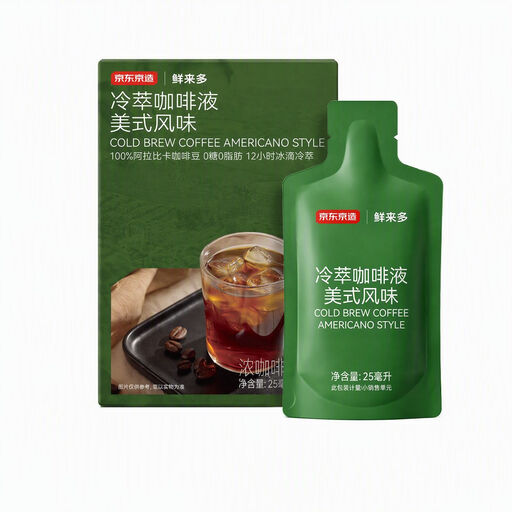 Image unavailable
The portioned liquid is an option when you can mix drinks separately for BBQ guests. Its product name states zero sugar and dark roast; it needs mixing rather than serving straight from the pouch. If the extraction method or caffeine amount matters, check the pack before serving.
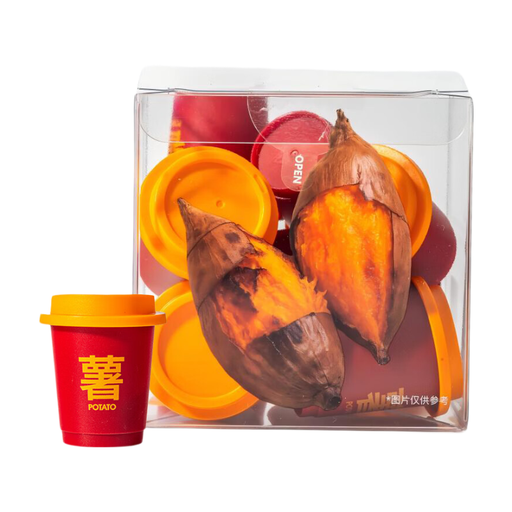 Image unavailable
This is a mix-at-serving option for guests who want the stated roasted sweet potato flavour, rather than a plain coffee profile. The product name identifies it as freeze-dried powder, not a ready-to-drink bottle. Check the pack’s caffeine information if that affects who you serve it to.
An unsweetened concentrate suits a host who can mix drinks and wants to vary milk and sweetness by guest. Choose ready-to-drink bottles instead when serving individual chilled drinks without preparation matters more.
Choose a latte when the finished drink should contain milk or an oat alternative; choose a black product when guests want a non-latte drink. Check the exact label: black cold coffee is not necessarily cold brewed, and a latte is not necessarily dairy-free.
Look for an explicit dairy-free claim, then check the ingredients and allergen information on the exact pack against the guest’s requirements. An oat product name alone does not answer every allergen question.
Choose a product explicitly labelled decaffeinated if you want a decaf option; Sainsbury's lists Nolo decaffeinated cold-brew oat lattes. Do not assume an ordinary cold brew has the same caffeine status.