Hosts seeking cold brew by method
If coffee brewed with cool water is the point, look for an explicit cold-brew description. A concentrate can then be mixed for several guests, following its serving directions.


Choose a product explicitly described as cold brew if the brewing method matters: cold brew uses room-temperature or cooler water, rather than simply serving hot-brewed coffee over ice. A liquid espresso concentrate suits machine-free iced drinks for several guests; pods make more sense when you already own the matching machine and want individual portions. Check the serving directions, ingredients and caffeine information on the pack before serving.
If coffee brewed with cool water is the point, look for an explicit cold-brew description. A concentrate can then be mixed for several guests, following its serving directions.
A liquid coffee concentrate lets guests choose their additions without using a capsule machine. Check whether the bottle contains cold brew or espresso concentrate: both can be served cold, but they are not the same brewing method.
Pods offer individual portions if the capsules match your machine. An iced-recipe capsule or decaf pod may suit a guest’s preference, but neither label establishes that the coffee was cold brewed.
Decide whether cold-water extraction is essential, then check how you will prepare the number of drinks you need.
| Priority | What to check | Your needs |
|---|---|---|
| Brewing method | Read how the coffee was brewed. The National Coffee Association describes cold brew as coffee made with room-temperature or cooler water; directions to add ice alone do not establish that method. | I want cold brew itself, not just a cold drink made from hot-brewed coffee. |
| Servings and mixing | Check the portion size, dilution ratio and required liquid. Grind states that its 500 ml cold-brew concentrate makes up to eight servings when mixed 1:1 with water or milk; NESCAFÉ gives 16 × 30 ml portions for its Unsweetened Espresso Concentrated product. | Several guests are coming, and I want to prepare drinks with different additions without using a machine. |
| Machine compatibility | Match the system named on the capsule pack to your machine. Waitrose and Sainsbury’s list Nespresso, Dolce Gusto, Tassimo and Lavazza-compatible formats separately. | I already have a pod machine and want individual drinks without buying capsules that will not fit it. |
| Caffeine and ingredients | Check the current pack’s caffeine and ingredient information, including any milk or other additions used to make the drink. A decaf label should not be read as a stated caffeine quantity. | Some guests may want decaf or need to check what is in their finished drink. |
“Iced” can describe how a coffee is served, not how it was extracted. Nespresso’s cited Vertuo iced assortment contains roast and ground coffee capsules; its iced-recipe positioning does not establish cold-water brewing.
If the method matters, read the brewing description and choose a product explicitly described as cold brew.
Capsule systems are listed as distinct formats by Waitrose and Sainsbury’s. NESCAFÉ’s Dolce Gusto instructions specify a Dolce Gusto machine.
Note the system name on your machine and match it to the wording on the pack before buying.
Grind directs shoppers to mix its cold-brew concentrate 1:1 with water or milk. NESCAFÉ’s Unsweetened Espresso Concentrated directions use 30 ml of concentrate with 150 ml of cold milk, followed by ice.
Plan portions from the preparation directions rather than the bottle volume alone.
Allow for the mixing liquid, ice and space to chill what you intend to serve.
Decaf does not state an exact caffeine amount, and a guest’s drink may contain ingredients added after the coffee is prepared.
Check the current pack for caffeine, ingredients, allergens, storage and preparation directions before serving.
Grind describes a cold-brew concentrate for mixing with water or milk rather than using a capsule machine.
The cited NESCAFÉ products cover machine-free espresso concentrate and Dolce Gusto capsules.
Nespresso’s cited Summer Iced assortment is a Vertuo capsule selection for iced recipes.
Sandows London describes making cold brew coffee in its London brewery.
These options cover coffee liquids that can be mixed for cold drinks and a decaf pod for a Dolce Gusto machine. A product name mentioning cold brew does not, by itself, establish how the coffee was extracted.
 No image available
The individual pouches offer a machine-free way to mix cold coffee for guests. The pack contains ten 25 ml pouches; directions call for mixing a pouch with cold water. If cold-water extraction is essential, confirm the brewing method on the current pack rather than relying on “cold brew” in the name. Check its caffeine information before serving guests who need it.
 No image available
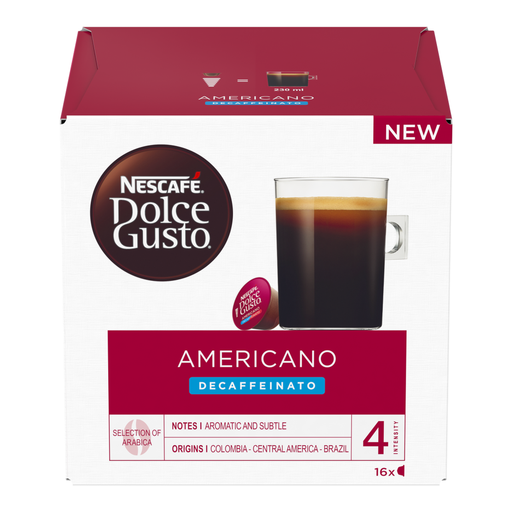
This decaffeinated Americano pod is an individual-portion option for a host who already has a Dolce Gusto machine. The 128 g pack contains 16 capsules. It is not described as cold brew or as a capsule for an iced recipe; check the current pack if the caffeine amount per serving matters.
 No image available
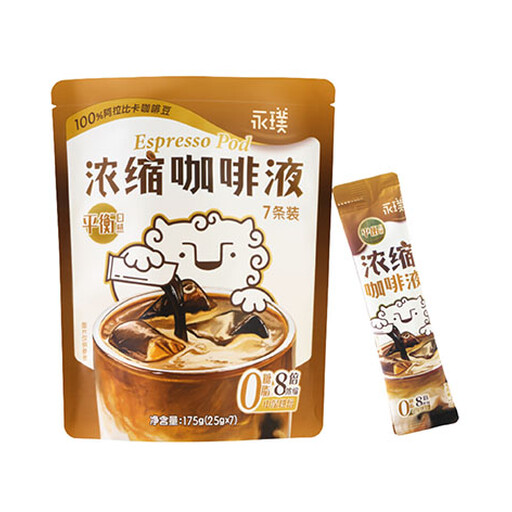
The individual sticks can be mixed with cold water without a pod machine. The 175 g pack contains seven 25 g sticks. Check the pack for the mixing quantity and caffeine information; cold-water mixing directions do not establish that the coffee itself was cold brewed.
Not necessarily. The National Coffee Association defines cold brew by extraction with room-temperature or cooler water. A pod intended for an iced drink may instead produce coffee to serve cold or over ice; check for an explicit cold-brew description if the method matters.
A concentrate lets you mix separate drinks without operating a pod machine, provided you have the required liquid and ice. Grind says its 500 ml cold-brew concentrate makes up to eight servings when mixed 1:1; NESCAFÉ lists 16 × 30 ml portions for its Unsweetened Espresso Concentrated product, which is an iced-coffee rather than a stated cold-brew option.
No. Match the capsule’s stated system to your machine before buying. Waitrose and Sainsbury’s list several compatibility categories separately, and NESCAFÉ’s Dolce Gusto preparation instructions specify a Dolce Gusto machine.
The NHS advises no more than 200 mg of caffeine a day during pregnancy. Check the current product’s caffeine information and account for other sources consumed that day rather than judging the afternoon-tea coffee in isolation.
Check the current labels of both the coffee product and any milk or other additions for ingredients and allergens, then follow the coffee’s mixing directions. This matters particularly when a guest needs to avoid an ingredient or when you are planning portions for several drinks.