
24/7 Customer Support

Free returns

Same-day & Next-day Delivery

Quality Guaranteed

Unlock Your Welcome Offers: FREE Delivery | Up to 80% OFF | Free 30-day JoyPlus trial
Download the APP
Dryness, dullness and skin that feels less supple can make a face mask appealing, but collagen face masks vary considerably in format, wear time and ingredients. A Korean collagen face mask may be a hydrogel sheet designed for several hours, while an overnight collagen mask forms a film and a Japanese sheet mask may focus on brightening and moisture.
The key is to match the product to your routine rather than choosing based on phrases such as “deep absorption” or “instant lifting”. Here is how to compare collagen-based treatments sensibly for UK skincare routines.
Humectants such as glycerine and hyaluronic acid can make skin feel smoother and look temporarily plumper by increasing surface hydration. Collagen in a topical mask mainly contributes to the formula’s conditioning and moisturising profile; it should not be treated as a replacement for the collagen naturally found in skin.
A firming face mask can support a smoother-looking finish, but claims about reversing ageing or permanently changing facial contours should be treated cautiously.
Some hydrogel collagen masks are intended to become transparent after one to four hours. Others are designed for 15–30 minutes, while a wrapping mask is left overnight. Wearing a conventional sheet mask for too long can allow the essence to dry, leaving the skin feeling tight.
Always follow the instructions supplied with the product. Overnight use is appropriate only when the product is specifically labelled for it.
“Gentle” marketing does not mean every formula suits every person. Check the full ingredient list for parfum, essential oils, alcohol or ingredients you already know your skin dislikes. For example, the Utena mask contains lavender, palmarosa and geranium oils, while some Medicube products list fragrance.
For reactive or sensitive skin, patch test first and avoid applying any mask to broken, inflamed or irritated areas. Stop using it if persistent redness, swelling, itching or stinging occurs.
Choose the format according to how you intend to use it:
A close fit reduces slipping and helps prevent product running into the eyes. A 3D sheet can be useful around the nose, jaw and chin.
Look beyond the word collagen. For a hydrating face mask or face masks for dry skin, look for humectants such as glycerine, betaine, hyaluronic acid and sodium PCA. Ceramides, squalane and amino acids can complement a barrier-supporting routine.
For radiance, niacinamide or vitamin C derivatives may be included. A brightening sheet mask should still be paired with daily sunscreen, particularly when addressing the appearance of uneven tone.
PDRN, peptides and adenosine appear in several newer formulas. These are cosmetic ingredients, not a guarantee of medical or permanent results. If a brand references clinical research, treat it as the brand’s own evidence and assess the actual formula, directions and tolerability.
A multi-sheet pack can make regular use more straightforward, while a 75ml tub may offer more applications depending on how much is applied each time. Check:
These checks are more useful than judging value from the product name alone.
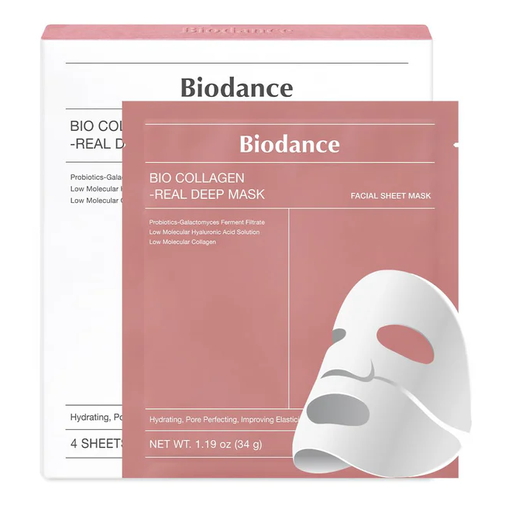
Why This Fits Their Persona: The four-sheet pack provides a simple way to introduce a longer-wear hydrogel collagen mask into a weekly routine without buying several different formats.
Its directions clearly distinguish daytime use of 3–4 hours from overnight use, helping prevent unsuitable wear times.
Hydrogel format; includes glycerine, hydrolysed hyaluronic acid, niacinamide and allantoin.
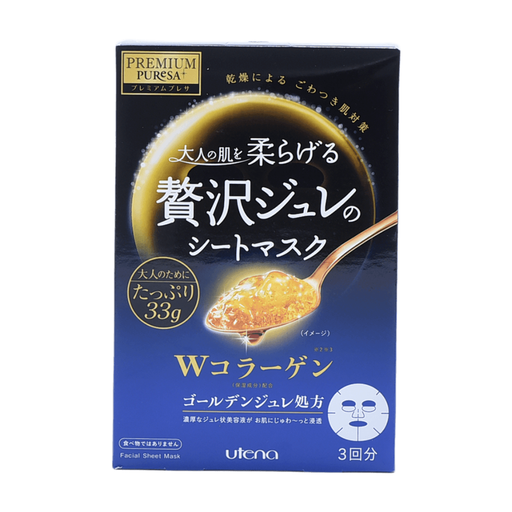
Why This Fits Their Persona: This Japanese sheet mask suits shoppers who value a rich texture, a close fit and a more indulgent 20–30-minute treatment.
The usage guidance specifies a defined 20–30-minute session rather than suggesting that longer application is automatically preferable.
Contains hydrolysed and soluble collagen, ceramide, squalane and eight amino acids; leftover essence can be used on the neck or dry body areas.
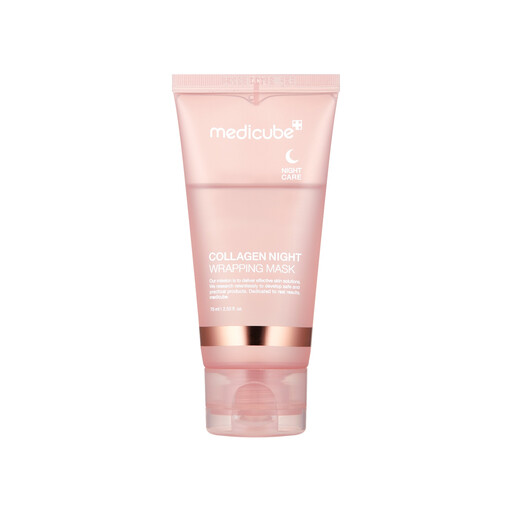
Why This Fits Their Persona: A leave-on film format works for people who prefer to complete their skincare before bed rather than manage a sheet during the evening.
It is specifically described as an overnight wrapping mask and includes drying guidance before going to bed.
75ml tub; combines collagen extract, niacinamide, ceramide NP and sodium hyaluronate.
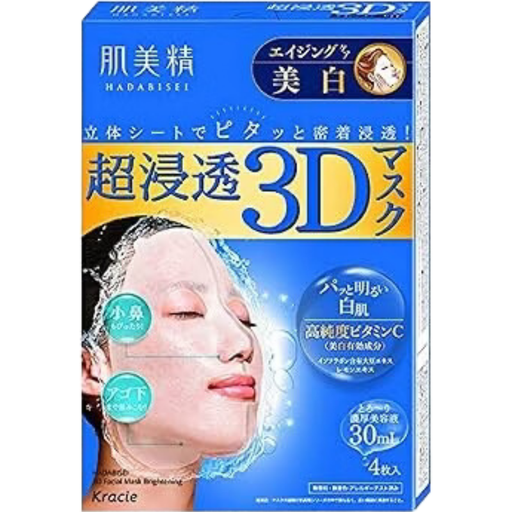
Why This Fits Their Persona: The short five-to-15-minute application suits a quick pre-event routine when a long hydrogel or overnight treatment is impractical.
The 3D shape is designed to cover facial curves, while the instructions set a defined wear period and advise against sleeping in it.
Four-piece pack; includes ascorbyl glucoside, soluble collagen and lemon fruit extract.
We have compiled a complete, real-time list of products that fully satisfy these strict selection criteria and UK safety regulations.
Frequency depends on the product. A conventional hydrating sheet mask may fit once or twice weekly, while some overnight or gel formats provide their own recommended schedule. Start with the packaging instructions and reduce use if your skin becomes tight, itchy or irritated.
They can be useful for a temporary hydrated, smoother-looking finish, especially when the formula contains humectants, ceramides or emollients. However, face masks for mature skin should complement—not replace—a consistent routine including moisturiser and daytime sun protection.
Unopened products should be used according to the expiry or period-after-opening information on the packaging. Once a sachet is opened, use the sheet immediately and discard it afterwards. For a tub such as an overnight collagen mask, close the lid securely, avoid introducing water or fingers unnecessarily and follow the stated storage guidance.