
24/7 Customer Support

Free returns

Same-day & Next-day Delivery

Quality Guaranteed

Unlock Your Welcome Offers: FREE Delivery | Up to 80% OFF | Free 30-day JoyPlus trial
Download the APP
Dryness, dullness and a loss of bounce can make skincare shopping feel confusing. Collagen face masks now come as traditional sheets, hydrogel patches, overnight films and freeze-dried treatments, with formulas aimed at hydration, firmness and radiance. However, attractive packaging and phrases such as “deep delivery” do not always tell you whether a mask will suit your routine.
This guide from the Joybuy Product Recommendation Officer focuses on practical details: how the mask is used, which ingredients support your goals and which product format is realistic for everyday life in the UK.
A collagen ingredient in a cosmetic mask may help leave skin feeling conditioned and hydrated, but the product format matters just as much. A short-use sheet mask is convenient before an event, while an overnight collagen mask creates a film designed to reduce moisture loss during sleep. These are different experiences and should not be compared solely by the word “collagen”.
Very dry skin may benefit from ingredients such as glycerine, hyaluronic acid, ceramides, squalane and amino acids. Yet fragrance and essential oils can be unsuitable for some sensitive complexions. Always check the full INCI list, particularly if you are prone to stinging, redness or irritation.
Longer wear does not automatically mean better results. Some hydrogel masks are intended for one to three hours, whereas a standard sheet mask may be designed for 15–20 minutes. Follow the packaging instructions and remove the product if discomfort develops. Do not apply any mask to broken, inflamed or irritated skin.
Choose according to your schedule:
If you want a weekly Korean collagen face mask ritual, a hydrogel or jelly sheet may be convenient. If you dislike wet bedding or lengthy preparation, a conventional sheet mask may be more practical.
For a hydrating face mask or sheet mask for dry skin, look for humectants and barrier-supporting ingredients such as glycerine, sodium hyaluronate, panthenol and ceramide. For a firming face mask or face mask for mature skin, collagen, peptides, niacinamide and adenosine are common cosmetic ingredients to consider.
PDRN collagen mask formulas may include Sodium DNA, while a bio-collagen mask may use collagen extract, hydrolysed collagen or soluble collagen. These ingredient names describe what is present in the formula; they should not be treated as a guarantee of a medical or therapeutic effect.
A mask that slides, dries unevenly or leaves excessive residue is less likely to become part of your routine. Look for:
Patch testing is sensible when using a new product, especially one containing fragrance, essential oils, peptides or multiple active ingredients.
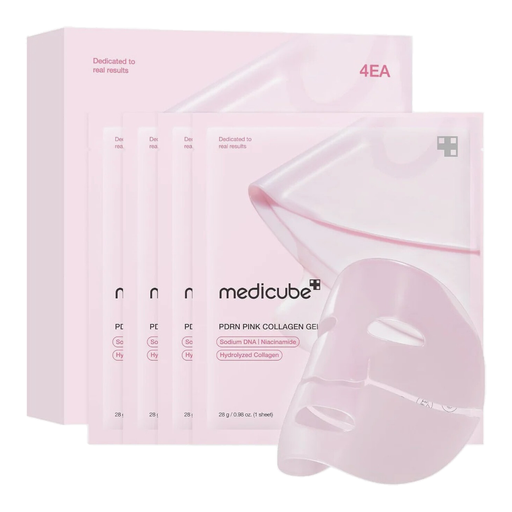
Why This Fits Their Persona: A four-piece weekly treatment offers a straightforward way to add a hydrogel mask to an existing evening routine without committing to a device or multi-step set.
The colour-changing gel indicates when the mask has become transparent, helping users avoid guessing when to remove it.
Includes niacinamide, panthenol, allantoin, hydrolysed collagen and Sodium DNA in a cooling gel format.
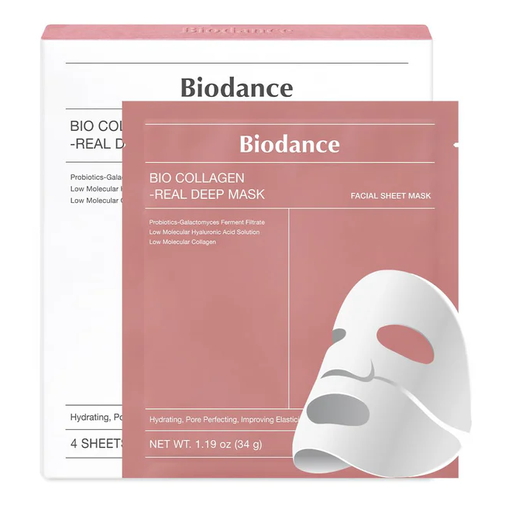
Why This Fits Their Persona: Suitable for shoppers who prefer a longer treatment and want a hydrogel mask that can be used overnight or for several hours during the day.
Its stated wearing options are clearly separated: overnight use or three to four hours during the day, rather than an unspecified extended application.
Uses collagen extract, hydrolysed hyaluronic acid, niacinamide and probiotic ferments in a four-sheet pack.
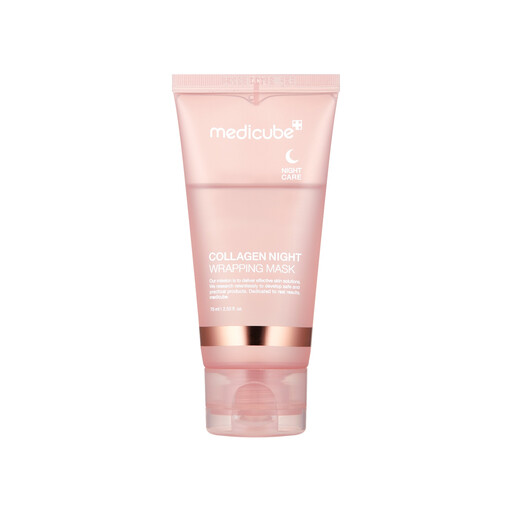
Why This Fits Their Persona: A practical option for people who prefer applying one evening treatment after their usual skincare rather than using separate weekly sheet masks.
The instructions specify waiting around 15 minutes for the film to dry before bed, helping prevent transfer to bedding.
A 75ml leave-on formula containing collagen extract, niacinamide, ceramide NP and sodium hyaluronate.
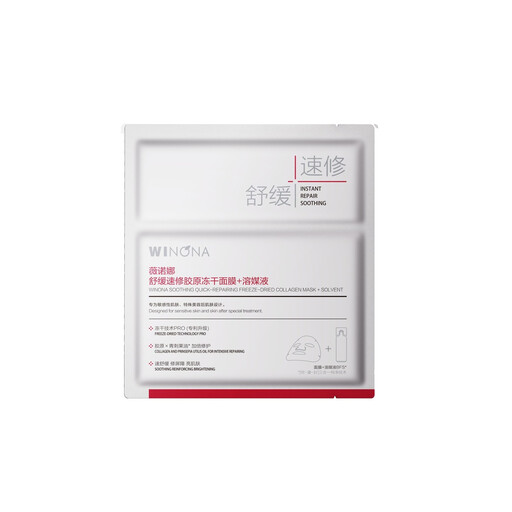
Why This Fits Their Persona: The single-use format suits shoppers who want to try a prepared treatment before buying a larger pack.
The supplied solvent makes the preparation step explicit, so buyers know this is not a ready-soaked sheet mask.
Includes collagen, glycerine, sodium hyaluronate and a separate reconstitution liquid for a 15–20-minute application.
We have compiled a complete, real-time list of products that fully satisfy these strict selection criteria and UK safety regulations.
Follow the individual product instructions. A traditional sheet mask may be used once or twice weekly, while an overnight collagen mask may fit into an evening routine more regularly if your skin tolerates it. Avoid layering several new products at once, as this makes it harder to identify the cause of irritation.
They can be useful as a cosmetic hydration step, particularly when the formula includes humectants and barrier-supporting ingredients. For dry or mature skin, consider a mask with glycerine, hyaluronic acid, ceramides or amino acids, and select a comfortable fit that does not pull at the skin.
It depends on the format. Many sheet and hydrogel masks are designed for the remaining essence to be patted into the skin, while an overnight peel-off mask may require gentle rinsing after removal. Always follow the product directions and finish with moisturiser if your skin feels tight.